

Heatwaves Push US To Use Emergency Energy Backups - But Data Centers Get Priority
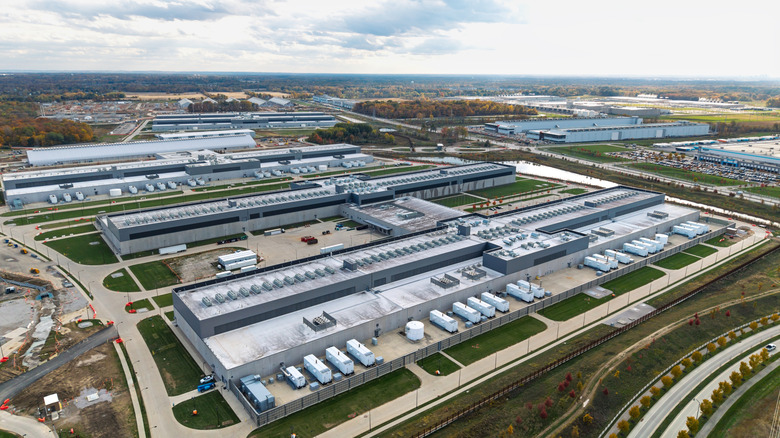
As heat waves roll across the country and wreak havoc on power grids due to increased power demand, the U.S. Department of Energy has extended an order allowing the use of emergency backup generation in the PJM region — an area that encompasses 13 eastern states and the District of Columbia. There's a catch, however. The emergency power is for "major facilities," which include data centers. This is meant to be a "last resort" before declaring an Energy Emergency Alert, but by requiring these power-hungry facilities to rely on backup power only, under specified conditions, the hope is that it will ease the strain on the grid for residents.
This order was first issued on June 30, 2026, and it was later extended ahead of the July 4th holiday weekend in anticipation of spiking energy use, despite some power companies, like Duke, saying there would be no problems meeting demands. While the order does not apply to critical services, like first responders, air traffic control, water treatment or natural gas facilities, and related locations, it certainly calls into question the use of large-scale data centers for AI technologies at a time when resources are increasingly strained.
In a perpetual social argument, proponents say AI's drain on resources is overstated, while others claim it's not exaggerated, but this DoE move makes it clear, we're reaching new lows. Dedicated power, backup or not, going to largely unnecessary services when we're bordering on a state of emergency is something worth questioning.
Data centers are resource hogs, consuming a lot more than power
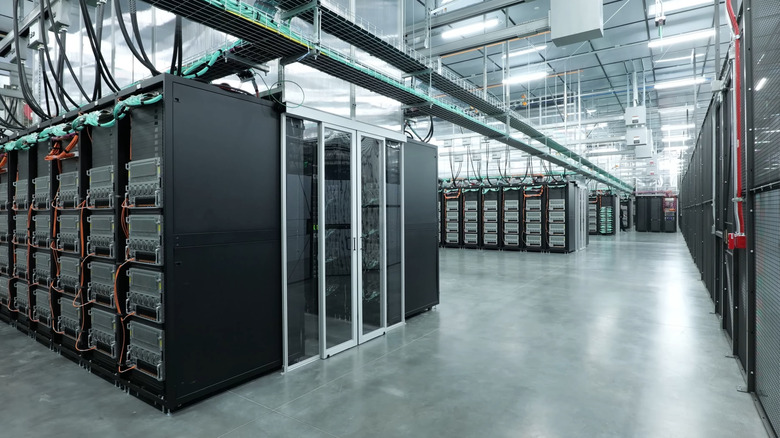
According to reports, Amazon's data centers used over 2.5 billion gallons of water in one year. While data centers aren't always exclusively used for AI operations, the use of the technology has increased demand for more powerful hardware solutions. And AI data centers are doing a lot more harm locally than simply driving up utility prices like power and natural gas. The World Resources Institute describes U.S. communities near data centers seeing rising utility costs, more pollution, more noise and disruptions, growing land scarcities, undesirable economic trade-offs, and increased pressure on marginalized communities. That noise pollution, by the way, is also affecting the local fauna, and it's one of the unexpected ways data centers are threatening sensitive zoo animals.
These are all warranted concerns, as data centers crop up across the U.S. and around the globe. We may be in for a bleak future if demands continue to rise, and they likely will, alongside natural constraints that continue to grow — like the heatwaves set to continue for months and possibly years.