

How Long Do Owners Say Smart Locks Last?
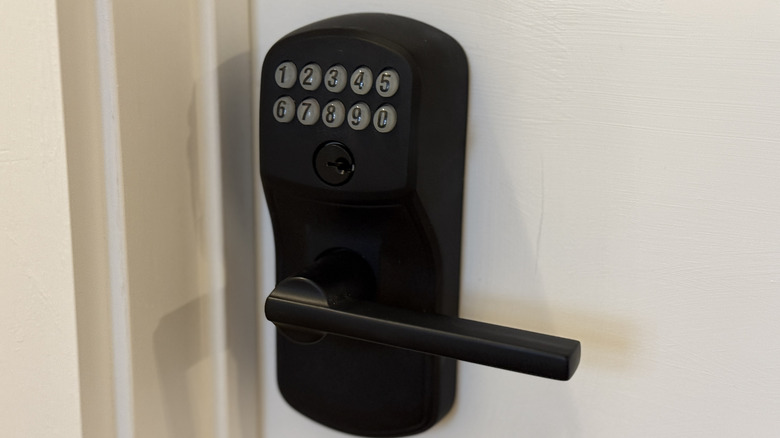
Smart locks are definitely one of the essential smart home gadgets you should be using as they provide added safety and convenience to your house. Smart locks are one of the best smart home gadgets for minimalists since it eliminates the need to walk around with keys, but these are great devices for anyone who's worried about losing their keys or getting locked out of their house. One question that often comes up in regard to smart locks, though, is how long they last, so we looked to actual users to find out how long people are saying these devices last.
Though your personal mileage may vary, most online users report their smart locks lasting around five years on average. Some carry on for longer, but the five-year lifespan is most commonly cited. For instance, one Redditor said that you should expect to get five to eight years out of a reputable manufacturer, citing more fragile electrical components as a reason why they fail. It's important to stress that this is not a rule. There's always a possibility you'll run across a lemon, even when going with what smart locks experts consider to be the best.
Why do smart locks fail?
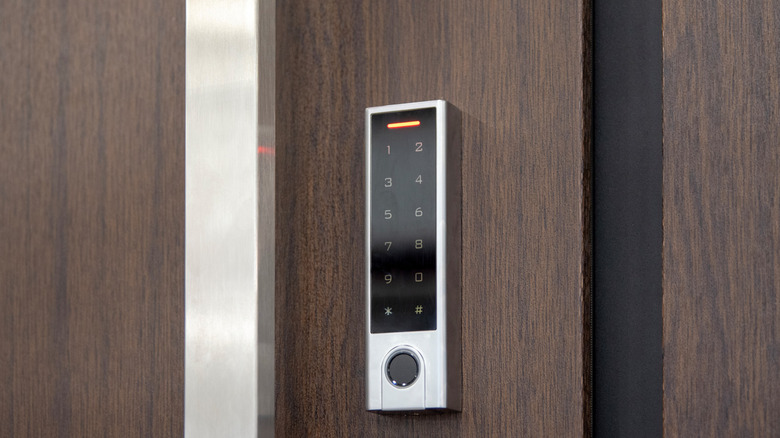
Unfortunately, to everyone's shock and horror, electronics can fail at any time without a warning sign. On threads discussing smart locks, there are stories of even the best smart locks failing. It worked perfectly for three years, but once the internal electronics failed, the user found that their batteries were now losing charge after only a few days. Considering that most owners agree batteries last about six months, this can be considered a total failure but not one that's uncommon for smart gadgets.
Apart from the battery, it's worth mentioning that a warped door could lead to your smart lock breaking. Redditor erasmus127 claims to be a door hardware specialist, warning that doors and doorframes have a habit of contracting and expanding due to heat. As a result, if the door falls out of alignment, it could break the lock's automatic bolt. Alternatively, if the micro-servo motor stalls, the firmware could detect the issue and keep pushing the bolt, triggering software errors or draining the battery. However, most smart lock users never experience this particular issue, and instead complain about surprise, undisclosed failures – not the bolt breaking.
Can you extend the smart lock's battery life?
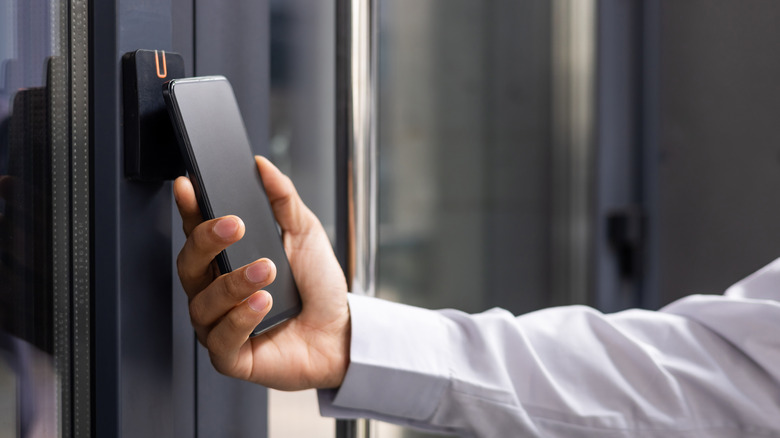
If you're to go by how long owners say smart locks last, you're in for about five years of use if you're lucky. You're also in for semi-frequent battery changes or charges if you've got rechargeable models. As previously said, smart lock batteries can hold anywhere from six to 12 months of juice. Of course, this all depends on the model and how frequently you open and close the door. In most cases, your hands are tied, generally speaking.
It's common knowledge (numerous users confirm this to be the case) that Wi-Fi models can drain batteries faster than Bluetooth versions. If you're unfortunately stuck with a battery hog, it's worth checking the quality of your Wi-Fi connection. One user says that the strength of the signal absolutely matters and recommends placing a Wi-Fi extender in the door's vicinity and disabling auto-lock (although this somewhat defeats the purpose of using a smart lock).
Battery dying and remaining stranded outside is on your list of horror scenarios you never want to experience, and it's quite a common concern. As a result, most locks will send you an alert when the battery is low. Various smart locks (including a $70 smart lock from Amazon) come with a physical key you can use to override the lock manually.