

5 Things To Stop Doing If You Have A Foldable Phone
We may receive a commission on purchases made from links.
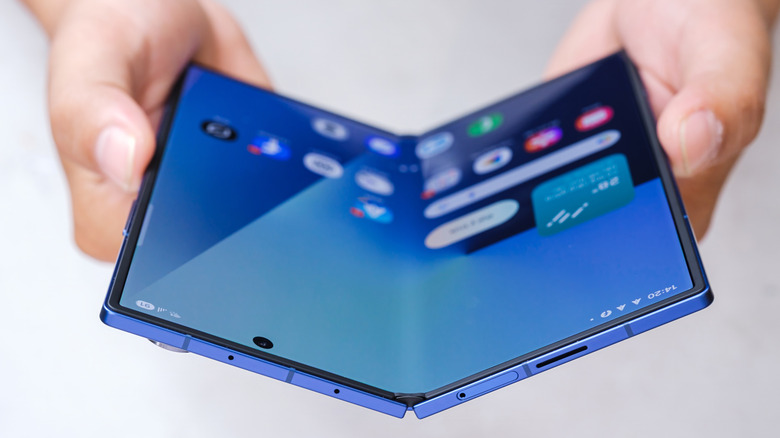
Foldable handsets like the impressive Samsung Galaxy Z Fold 7 and Google's Pixel 10 Pro Fold are gaining in popularity, with the category poised for another wave of attention when the iPhone Fold is launched. Pricing is often high for these top-end smartphones, with the Z Fold 7, for example, starting at $1,999, and the Razr Fold costing $1,899, making it very important to handle them with care.
Unlike regular smartphones that can often get by with a screen protector and cover, foldable phones have other problems to consider. You need to be extra careful, for example, about the presence of grit and sand, which could interfere with the phone's hinge mechanism. And because of the more delicate display materials, you'll want to be more mindful about the kind of pressure you apply to the screen or you might end up causing permanent marks. Let's take a closer look at some of the things you should stop doing with your foldable phone.
Putting it down on dirty surfaces
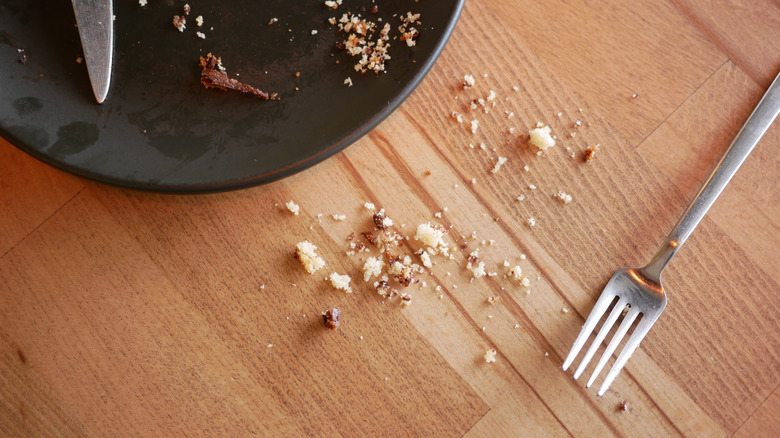
Foldable phones have a carefully designed hinge that, under normal use, should allow the handset to be opened and closed, without issue, over many years. But the precision-engineered mechanism contains moving parts, so it does need to be kept free of troublesome intruders like grit and sand. Simply put, if any debris works its way into the hinge, you could have a big problem on your hands. Early warning signs include a loss of smoothness, or a feeling of resistance, when opening and closing your foldable. Over time, this can develop into a cringeworthy crunching sound, suggesting the hinge is experiencing serious stress.
If grit does get inside, don't attempt to get rid of it by repeatedly folding the phone. Instead, try using something like a soft brush to gently remove any debris that you spot around the hinge area. If the problem remains, get it checked at an authorized repair center. The best way to prevent grit from damaging your foldable phone is by keeping it away from dirty surfaces in the first place. Avoiding messy pockets also helps, as does protecting your foldable in sandy locations like the beach.
Pressing hard on the display
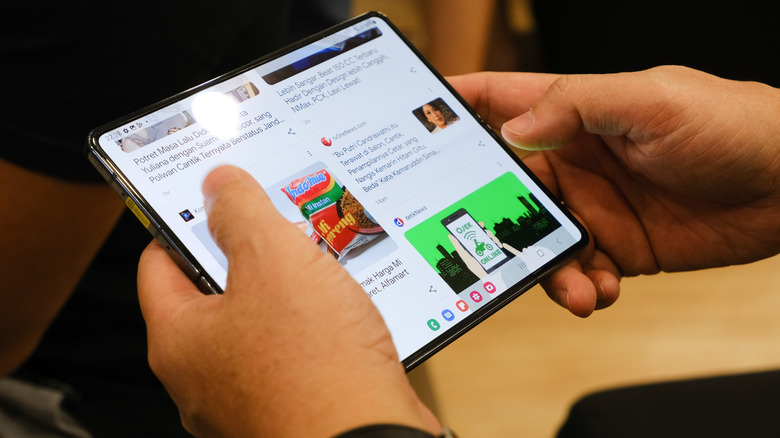
Only a decade ago, the idea of a smartphone with a folding display sounded more like science fiction than a commercially viable product. But in 2019, Samsung launched what's considered to be the first mainstream foldable, the Galaxy Fold. Although it was far from perfect, the Galaxy Fold nevertheless set the ball rolling, encouraging other companies to follow with their own foldable designs. One particular challenge, however, has persisted with foldable phones, and that is creating a display that's both flexible enough to bend and durable enough to withstand everyday use.
As a result, foldables still rely on softer, more delicate screen materials and ultra-thin glass versus traditional smartphones, making them more susceptible to damage. Pressing on the main display with your fingernails, for example, can leave a permanent mark on the screen, as can other objects like pens or coins. Keep in mind that, unlike conventional smartphones where a damaged display can be replaced without too much hassle, repairing a damaged display on a foldable is a greater challenge that can be significantly more expensive.
Snapping it open and shut
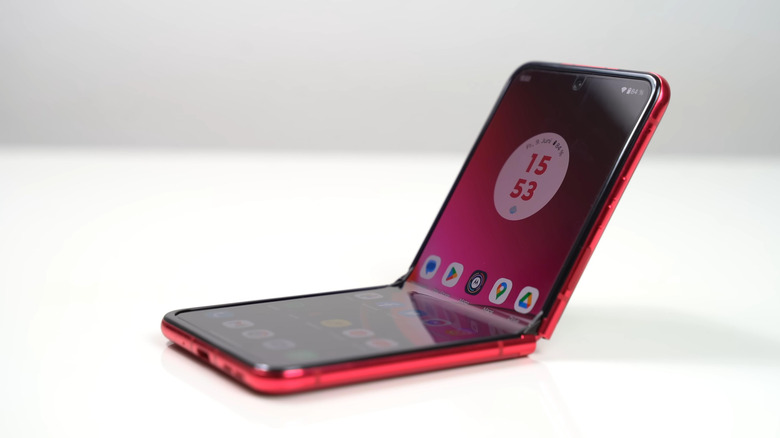
When old-school flip phones were popular way back when, it wasn't uncommon to see people opening and closing them with a quick flick of the wrist. The move was an easy way to access your device, especially if your other hand was occupied with a shopping bag or a coffee. With today's foldable phones, like the flip-style Motorola's Razr Ultra, that open across the horizontal axis just like old flip phones, it may be tempting to perform that wrist snap to open and close the handset. But it's a risky maneuver.
With a delicate display spanning the entirety of the phone, and an equally delicate hinge mechanism, flicking it open and closed puts extra stress on the components, which could cause them to fail more quickly. It's like giving whiplash to your phone, with extra force concentrated on the device's most vulnerable parts, putting them under too much strain. Factor in the possibility of tiny bits of grit in the hinge, and you could do some serious damage. Instead, use both hands to gently open and close your foldable.
Folding the phone for no reason
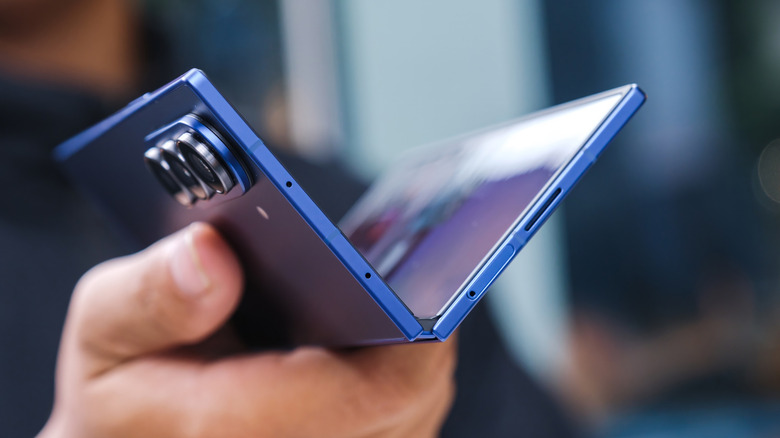
When you first get a foldable, it may be tempting to spend some time marveling at the engineering by repeatedly opening and closing your device. Perhaps you feel a mild sense of satisfaction every time the phone clicks shut. It could even develop into a habit, with the tactile sensation making the behavior more likely to stick. But by constantly folding the phone when you really don't need to, you're causing excessive wear to the phone's hinge and the display's crease. Today's foldable displays are more durable than earlier models due to advances in flexible materials and protective layers.
But the crease remains one of the areas most vulnerable to long-term wear. With that in mind, it's advisable to avoid any kind of folding habit, and only open the phone when you need to. In 2025, a YouTuber spent five days opening and closing Samsung's Galaxy Z Fold 7. After 6,000 folds, a reboot error occurred, and creaking noises became audible beyond 46,000 folds. With 175,000 folds, the phone's speakers failed. The display, however, performed remarkably well, suggesting that the Fold 7's OLED panel is highly durable, although the test didn't reach Samsung's claimed 500,000-fold rating.
Holding it with one hand while open
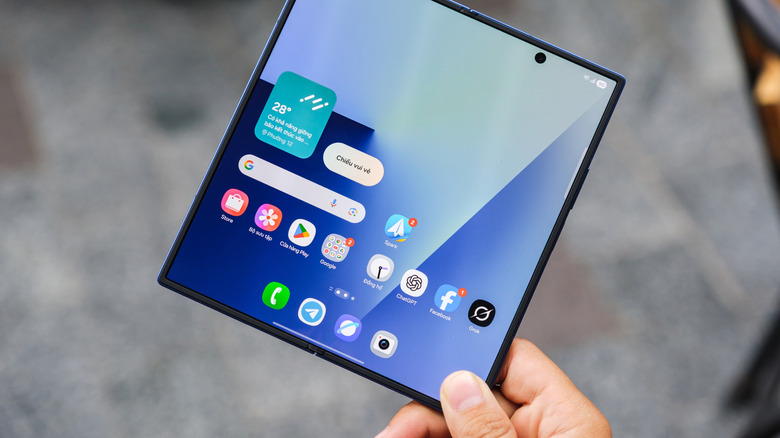
Carrying a conventional smartphone in one hand while walking is easily done. But using one hand to carry an open, book-style foldable phone is a lot riskier and best avoided. Doing so increases the chance of dropping your pricey device, which could cause damage to the phone's inner and outer displays, or even to that precious hinge. Samsung's Galaxy Z Fold 7 and Google's Pixel 10 Pro Fold have eight-inch displays when open, making them unwieldy to hold in one hand and raising the likelihood of the device slipping from your grip.
If you're holding it by the left or right side, you'll also be increasing stress on the hinge, which could shorten its lifespan. Additionally, trying to operate a book-style foldable with one hand is asking for trouble, as the off-center weight distribution and wider body reduce stability compared to a traditional, narrower smartphone. If you must use one hand to hold your foldable when it's open, consider buying a ring holder, phone grip, or case with a strap to reduce the chance of a potentially calamitous drop.