

4 Cables You Should Replace More Often
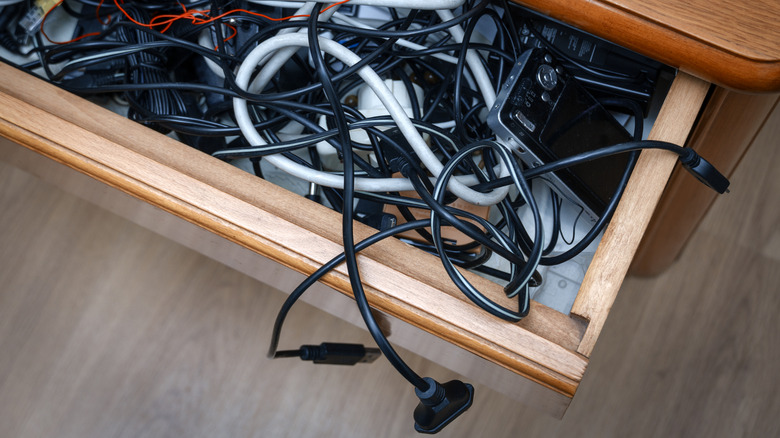
Between the cables that come with each new tech purchase, to those you use daily, and the others you don't know the purpose of and hide in your home's miscellaneous drawer "just in case," it's easy to find yourself overrun with smartphone, Ethernet, and other cables that you should replace more often.
While some of these cords can be tossed or recycled due to being damaged, incompatible with modern devices, or because you simply don't use them enough, there are certain cables that you likely use regularly and need to be replaced more often than you might think — even if they're designed for a long lifespan. Some phone charging cables can last up to six years, but bad habits could quickly shorten that.
Those of you who keep using faulty cables as long as they still work really shouldn't, as this can pose a safety hazard. HDMI, Ethernet, and audio cables are more durable and so should last longer, but, like with charging cables, improper care can lead to damage, reducing longevity and efficiency. However, it's not just damaged cables that need replacing; older HDMI cables may not support newer tech, while aging Ethernet cables may be unable to meet the increasing speed demands of modern devices.
Smartphone charging cables
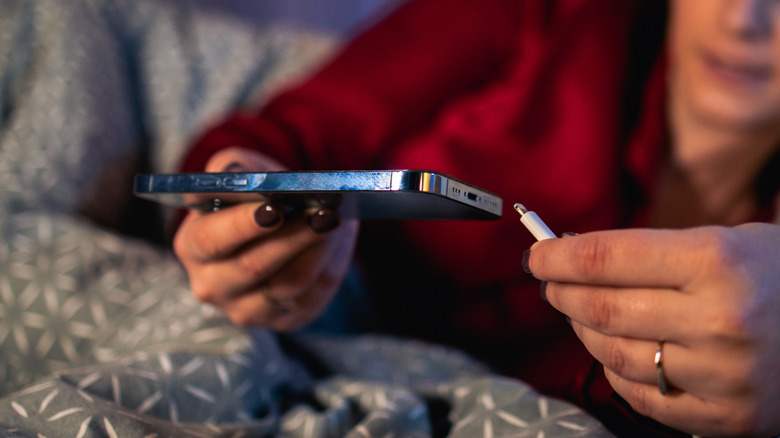
Smartphone charging cables can, depending on the make, last up to six years, though most typically survive between one and three years. Unfortunately, bad phone cable habits tend to shorten their lifespan. Between regularly twisting and tugging the cable, bending the connector by using the phone while charging, and stretching the cord to reach a socket, charging cables take plenty of abuse. Over time, this can impact the effectiveness of the cable's charging, making it less reliable.
Maybe you have to position the cable a certain way to charge your smartphone or charging to full battery takes forever. In addition to damaging the cable, this can harm your smartphone, leading to overheating and further wear. Apple warns that using a damaged charger with an iPhone can lead to fire, electric shocks, and injury or damage. Signs your smartphone charging cable is damaged include fraying, cracking, exposed wiring, bent connectors, overheating of the cable or phone during charging, and a loose or unstable cable fit. Experts recommend avoiding cheap cables and replacing your standard phone charging cord with a braided one if possible, as they're more robust.
HDMI cables
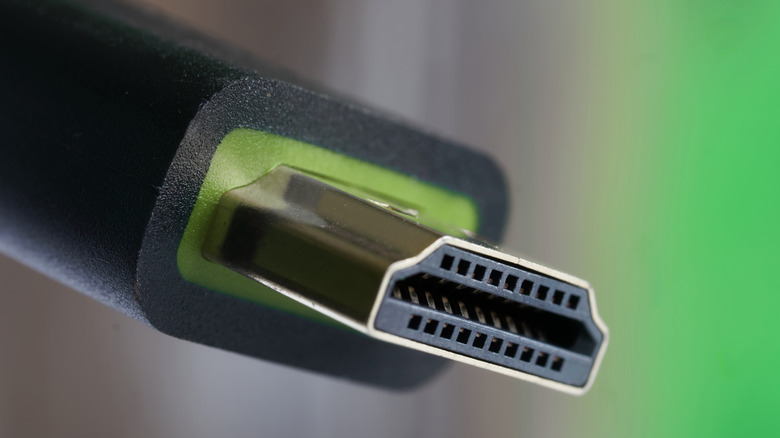
HDMI (High Definition Multimedia Interface) cables transfer audio and video, and are used to connect devices like your TV, gaming console, and streaming setups. While high-quality HDMI cables can last over 10 years, if cared for properly, you may need to replace yours sooner. Factors that impact this longevity include cable quality, environmental considerations like extreme temperature and dust, and physical damage.
Fortunately, there are warning signs that it's time to replace your HDMI cable. If you begin to notice functionality problems, such as issues with picture or audio, or intermittent signal, it's likely a sign your HDMI cable needs to be replaced. To avoid this, purchase a high-quality HDMI cable, keep it out of direct sunlight and moisture-heavy environments, and be gentle when handling it. In some cases, you may need to replace a cable even if it's not damaged.
With a particularly old HDMI cord, you may find it incompatible with newer devices and unable to support the latest specifications. For example, if your old HDMI cable doesn't support the 4K resolution on your new TV, you likely won't see 4K visuals. It's always worth checking a device's specs against the capabilities of your HDMI cord to ensure the best performance, and finding a replacement if they're incompatible.
Ethernet cables
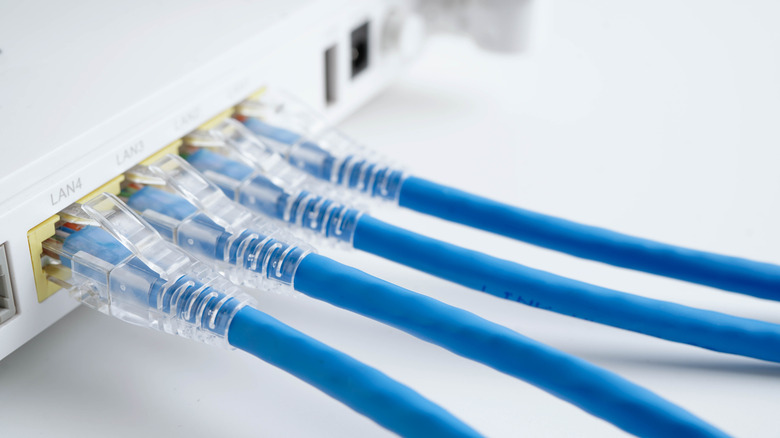
Ethernet cables are typically very durable and have a lifespan of five to ten years, with higher-performance Cat6a and Cat7 cables capable of operating for 20 years. However, like HDMI cables, this longevity depends on several things, including physical stress and damage, environmental factors like sunlight exposure, the quality of the cable, and usage. The different types of Ethernet cable matter too. As such, there are pros and cons to using Ethernet cables for your home internet.
If you're regularly experiencing loss of internet connection, interruptions, lag, slower download speeds, inconsistent connection between devices, or can see the cord is physically damaged, it's probably time to replace your cable. Technological advances also impact replacement considerations of Ethernet cords. A particularly old cable may not support the speed and bandwidth of modern devices, like streaming sticks, routers, and gaming consoles — leading to slower speeds. Ultimately, if you're having internet issues that seem related to your Ethernet cable, it's worth buying a new, high-quality cord to see if that resolves the problem.
Headphone audio cables
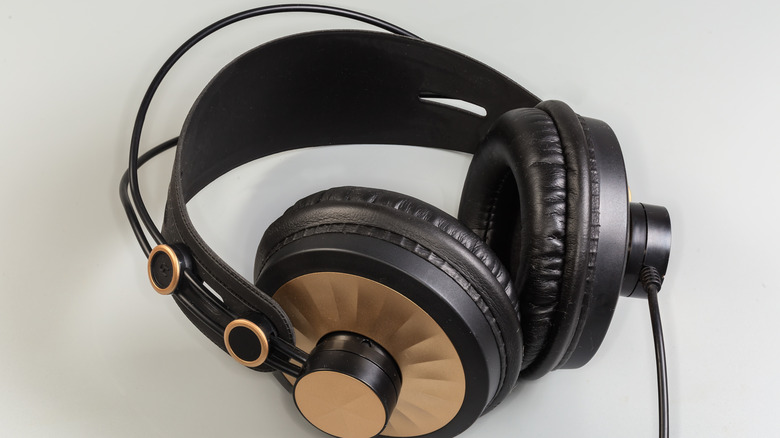
Headphone audio cables put up with a lot of abuse. Though these cords can last five to eight years, mishandling them can shorten that to between three and five years. The main failure point is at the headphone connectors. Storing your headphones with the cable at a 90-degree bend, at this connection point, reduces the lifespan drastically. In addition to physical damage, such as cable fraying or cracks, signs that indicate your headphone audio cable might need replacement include sound quality deterioration.
Damaged audio cables can cause muffled or distorted sound, and unbalanced volume. You might also notice changes in the audio when the connector is turned, indicating internal wire breakage. Be sure to watch for an unstable audio connection, regular sound interruptions, or constant position adjustments needed to make the headphones work properly. If you suspect a damaged audio cable, it's worth buying a replacement. Continuing to use worn-out cables accelerates the aging of the internal wires. If the cable feels hot to the touch, or wires become exposed, replace it immediately as this can result in an electric shock or even a fire.