

The Biggest Disadvantages Of Using Smart Appliances In Your Home
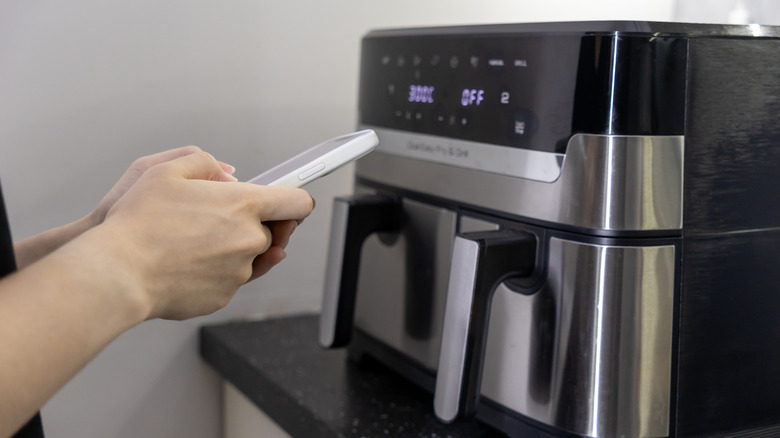
Smart home appliances are undoubtedly more convenient than traditional models. From user-friendly features and remote management to streamlined troubleshooting and constant improvements, the benefits are hard to ignore. For instance, if you own a smart refrigerator, it will tell you when you are running low on supplies, notify you of items that are getting close to their expiration date, let you remotely check your stock through a built-in camera, and even suggest recipes based on what you have. Other smart appliances, like washing machines, dryers, microwaves, ovens, and cooktops, also offer a wide range of benefits, transforming a regular home into a truly smart home. But this convenience comes at a cost, and these disadvantages are often overshadowed by the more apparent benefits.
The biggest risk of owning a smart appliance is data collection, as most of these devices collect information about how you use them. And that's not all: The appliances often share your data with third parties. For instance, a smart refrigerator can share data about how frequently you open it each day, or a smart washing machine may send back details about its use and frequency. Apart from that, smart appliances are sometimes harder and costlier to repair since they feature more advanced components. This also directly affects the device's lifespan. The more components an appliance has, the higher the likelihood of failure. And, given that smart appliances are typically costlier in the first place, you could be paying more for a device that breaks sooner than available alternatives.
Privacy concerns and security risks
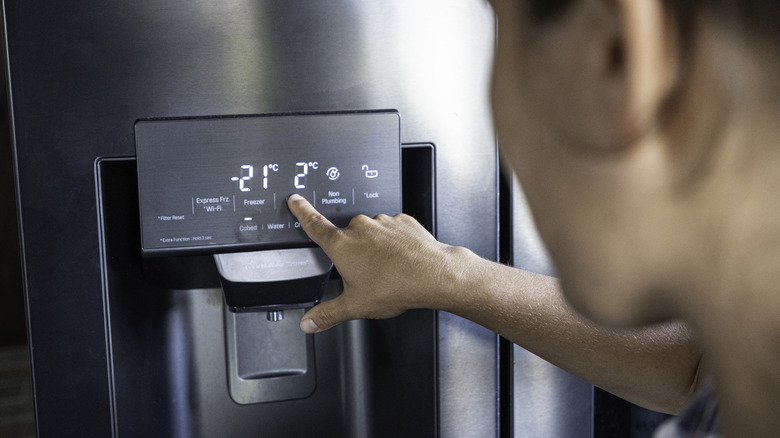
When we talk about privacy concerns, it's largely about the data smart appliances collect and how that data is used by manufacturers. Some companies may use it to streamline the user experience or even troubleshoot devices, while others rely on this information to build user profiles, which helps them better target you for future purchases. Additionally, a few companies even share this data with third parties, which is a significant privacy risk. That's because the information can be used in a number of ways, including targeting users with ads to potentially influence buying behavior. Keep in mind that many companies clearly state the data they collect, how it's used, and who they share it with, but not every company is as transparent.
Other than that, any device that's connected to the internet can potentially be breached. Again, while most manufacturers integrate advanced security mechanisms to protect devices against such threats, there have been cases where smart appliances, home cameras, and even security systems were hacked into. Also, the threats keep evolving, forcing manufacturers to regularly roll out patches for known vulnerabilities. So, it's a constant challenge. An even bigger problem is that when a smart appliance is compromised, it could expose your entire network, allowing threat actors to gain access to more devices, including PCs, tablets, and smartphones.
With a regular, non-smart appliance, your data remains comparatively more secure, which is a major reason privacy-conscious users hesitate to adopt smart appliances. Similarly, these devices can't be hacked or remotely controlled by threat actors, making them a more secure option.
Internet dependence and shorter lifespan
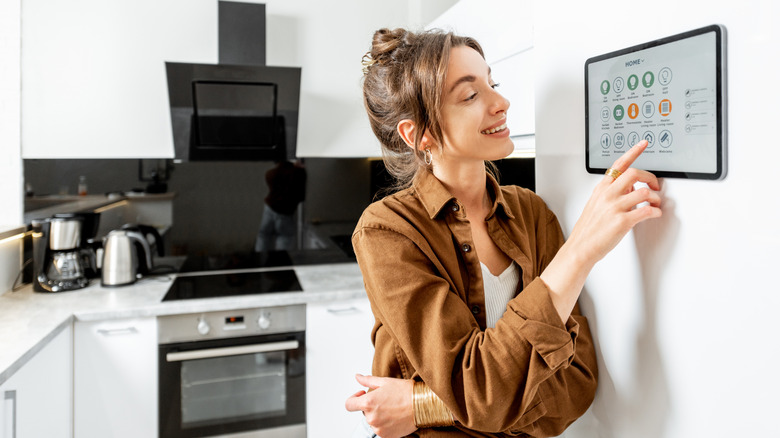
Another major downside of smart appliances is their dependence on constant internet connectivity. Without that, you can't remotely control a lot of them, and many of the much-advertised features stop working. It's not just that, though. Even slow internet speeds or higher latency may increase the time it takes for the appliance to respond. Smart appliances may also contribute to Wi-Fi interference and congestion around the house, potentially impacting the performance of other, more critical devices. This dependency on stable internet connectivity makes smart appliances relatively less reliable than their older, standard counterparts.
Additionally, smart appliances may have shorter lifespans, and the worst part is that there's often little clarity on that. One of the main reasons is that these appliances are increasingly complex, featuring additional components and sensors, which increases the likelihood of failure. Of course, many of these problems are fixable or repairable, but as the number of issues increases over time, there often comes a point where users give up as repairs no longer feel financially viable.
Let's not forget that your smart appliance's lifespan also depends on the manufacturer. Once manufacturers stop supporting them and releasing patches for known bugs and security updates, these appliances become a risk. Most manufacturers provide software support for five to 10 years, but there's no set standard. Regular appliances, on the other hand, typically don't meet the same fate and may last much longer because they are not dependent on software support from manufacturers.