

Why Are Nothing's New 'B' Series Phones So Much Cheaper?
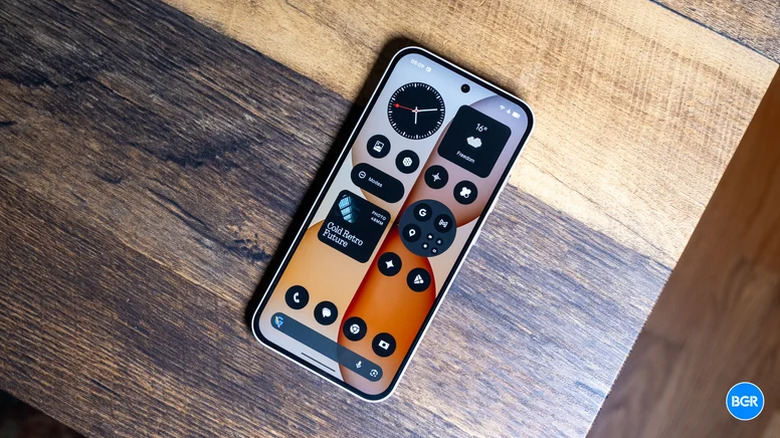
In early July 2026, Nothing announced its latest phone on the market, the Nothing Phone 4(b), ushering in the company's b-series of smartphones. Like its forebears, the Nothing Phone 4(b) maintains that distinctive look that the company's phones have come to be known and loved for. Here, you still get a Glyph bar on the right side of the wide edge-to-edge camera bar that's a bit more refined. But what's exciting about the Nothing Phone 4(b) isn't that Glyph bar that was inspired by the Phone 4(a)'s or its bold look — it's the price.
The Nothing Phone 4(b) starts at £299 in the U.K. (roughly $399), making it cheaper than its predecessor, the 4(a), which launched at a starting price of £349 (around $466) when it came out in March 2026. And that's despite the current memory crisis caused by AI data centers that have seen the price of different electronic gadgets rise. Not to mention Nothing's CEO and co-founder, Carl Pei, who has been vocal on X about how the price of phones is going up and will continue for the foreseeable future.
So what gives? Well, there are quite a number of downgrades that the Phone 4(b) has when put head to head with the 4(a), and that's why it's cheaper. For instance, one of the main compromises Nothing made on the Phone 4(b) is on the build, with the device using a plastic back instead of a glass one.
The Nothing Phone 4(b) features a handful of compromises
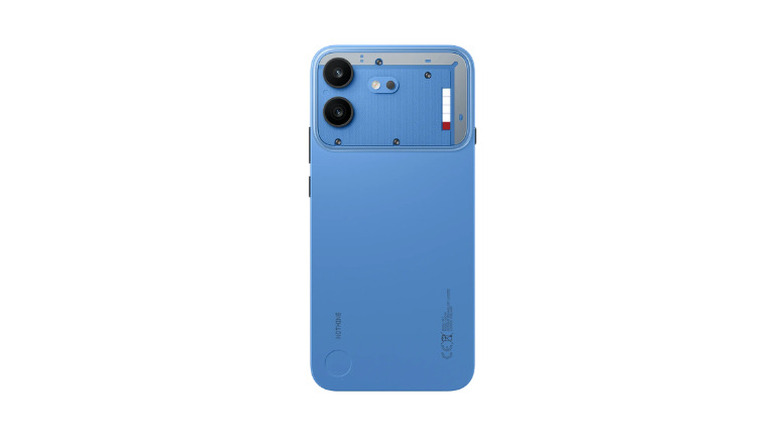
Besides the use of a plastic back instead of a glass one, there are also downgrades in other areas of the device when compared to its predecessor, which helped Nothing feel comfortable slashing the starting price a bit, regardless of the ongoing memory crisis. Starting with the display, the Phone 4(b) features a 6.77-inch panel that's nearly the same size as its predecessor but downgrades the resolution. Instead of the 1224 x 2720-pixel resolution, the 4(b)'s screen offers a 1080 x 2344-pixel resolution, leading to a smaller pixel density of 381 pixels per inch (PPI), so it isn't as crisp and clear as the 4(a)'s 440 PPI panel.
The 4(b)'s display panel also doesn't get as bright as its predecessor's, as peak brightness drops from 4,500 to 2,000 nits. Under the hood, the 4b uses the less powerful Snapdragon 6 Gen 4 chip instead of the slightly more powerful Snapdragon 7s Gen 4 in the 4(a). While you get the same amount of storage and memory in the base variant, the 4(b) uses the older UFS 2.2 storage instead of the faster UFS 3.1.
For taking pictures, the camera is also a step down, with the 4(b) having just two lenses on the rear (a primary 50 MP wide and a secondary 8 MP ultrawide), missing a telephoto lens that would've made the setup more versatile. The only upgrade here is the battery, as it comes with a 5,200 mAh one in the international version, a step up from the 4(a)'s 5,080 mAh. Despite increasing the capacity, the 4(b) charges a bit slower, with speeds of up to 33 W instead of 50 W.
Despite the slightly lower price, the Nothing Phone 4(b) is a hard sell
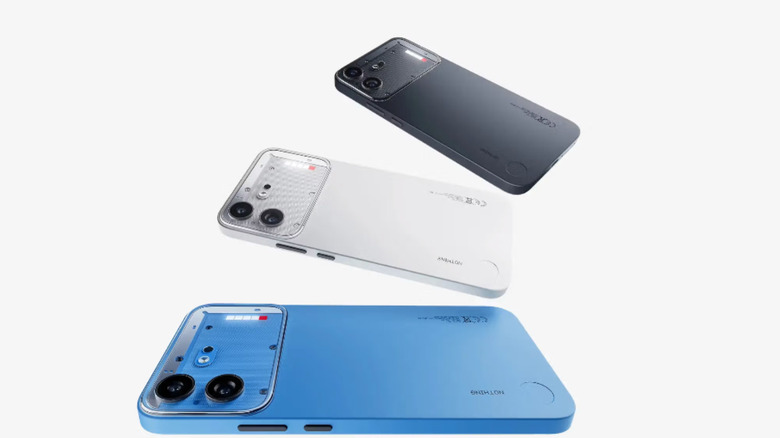
The Nothing Phone 4(b) largely compromises on quite a number of key features to make it slightly cheaper. Of course, price cuts are great, especially in the current market where the price of electronics continues to rise, forcing everyone to be armed with frugal gadget shopping tricks. However, considering that it's barely $70 less than the 4(a), the Phone 4(b) makes a lot of compromises that make the price cut seem a bit less than it should be.
Nothing should've cut the price a bit more to make it attractive, but at its current price tag and the fact that the Nothing Phone 4(a) exists and was launched roughly four months ago, opting for the Phone 4(b) isn't the best choice despite it being a bit cheaper. Instead, spending a bit extra to get the 4(a) is better as it offers better hardware.
We've reviewed the Nothing Phone 4(a), and it largely impressed us. In fact, in our review, we said it's "easily the best phone in its price bracket." Unfortunately, the Phone 4(b)'s price and feature combination doesn't challenge it. As noted prior, the Phone 4(a) offers a superior display, a more powerful chip, a more versatile camera setup, and even faster charging speeds.