

What Does Audio 'Squelch' Actually Do?
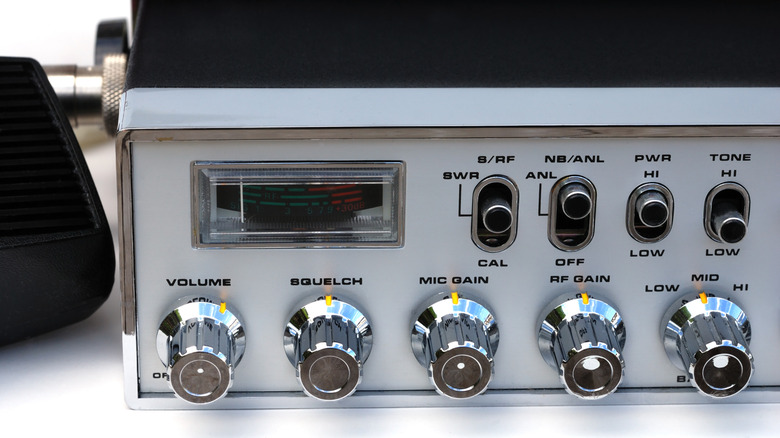
Something you swiftly learn when you first become an audio enthusiast is that this field is jam-packed with dense jargon. For example, if you heard someone talking about "squelch" in an audio receiver, what would you assume that even refers to, aside perhaps from some kind of unpleasant wet noise? Thankfully, "squelch" has nothing to do with wet noises; rather, it is a feature on most audio receivers that helps keep the audio channel closed when nothing is playing.
If you've ever listened to music on cheap speakers or headphones, you may have noticed a distinct, potentially unpleasant ambient hiss or buzz whenever there isn't any music or video audio playing. If you've heard this, it's likely because you're listening on a device with little-to-no squelch functionality, or the squelch setting is set too low. It's thanks to squelch settings that those quiet moments between tracks on your playlist are actually quiet, not just buzzing in your ears.
Squelch keeps the audio channel closed when nothing is playing
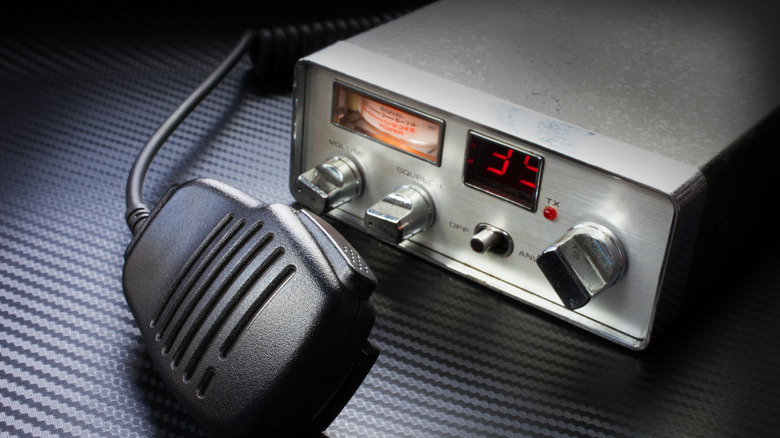
An audio receiver, when powered on, is always receiving some kind of signal from whatever device is connected to/plugged into it. Just plugging a pair of headphones into your phone opens the audio channel, even if there's no music playing. This is why you may hear a faint hiss or buzz when your headphones are plugged in: the channel is open, and the speaker is receiving input, but that input is essentially just the audio equivalent of breathing.
This is where squelch comes in. Whether through the audio settings on your smartphone or a physical knob, receivers can set a squelch threshold to kick in when no signal of sufficient strength is detected, i.e., when there's no actual audio being piped in. When the signal strength is below the squelch threshold, the receiver's audio channel is closed off, preventing garbage noise from filtering through.
Squelch features can technically be found on any audio receiver, especially one equipped with an equalizer or an equalizer app like AutoEQ. However, they're most commonly found in two-way radio systems. Empty, garbage noise can clutter an open radio channel, so using squelch is important for ensuring conversations transfer through cleanly. It's part of what makes a walkie-talkie such an essential tool for campers and hikers, for example.