

Is It Safe To Keep Using A Phone That No Longer Gets Update Support?

You can expect your phone to get at least one major OS update or upgrade, like when you move from iOS 18 to iOS 26 or Android 15 to Android 16, which often comes with new features and UI overhauls. Before the next OS upgrade comes out, the phone will get smaller updates known as patches, which may fix bugs, improve performance, and tighten up security. It's that last one that's important, because it makes the phone less vulnerable to malicious pieces of code known as exploits. They're created to take advantage of vulnerabilities in the system software. Once your phone has been hacked by cybercriminals using an exploit, they can do a wide range of harm, including installing malware and stealing your personal information.
Exploits can and do exist even for phones that are still getting update support (no piece of software is perfect). But they're usually rendered useless quickly after the manufacturer releases a patch to remedy the situation. But once the updates stop, you no longer have that guarantee, which is why it's not safe to use that phone.
It doesn't immediately become unsafe, but the risk increases with each passing day until it happens. Android users are lucky, though, because even after their phones become too old to use, they can still install a custom ROM to continue using them safely. It just has to be one that gets frequent updates.
Hackers love targeting outdated phones
There have been several instances of hackers exploiting old mobile operating systems. For example, Apple issued a warning in April 2024, urging users to update to the latest version of iOS to protect themselves from active exploit kits known as Coruna and DarkSword that were targeting devices that were out of date, from iOS 13 to iOS 16.
A hacker could steal people's data if they clicked on a malicious link or visited a compromised website because of these exploits. Only iOS 15 and 16 got updates, even though Apple had stopped supporting them at the time. And it urged users on iOS 13 and 14 to upgrade to these versions. If there were any iPhones that couldn't move on from iOS 13 and 14 (luckily, there weren't), they would've been perpetually at risk.
A major example on the Android side is an exploit called Stagefright in 2015. It allowed hackers to hijack Android phones running Android 2.2 (Froyo) through Android 5.1.1 (Lollipop) via MMS messages by exploiting a major weakness in the operating system's media playback engine, allowing hackers to spy on users using their own phones' camera and microphone. Even now, many Android phones that maxed out on these versions are still vulnerable.
There's a way to continue using an outdated phone (Android only)
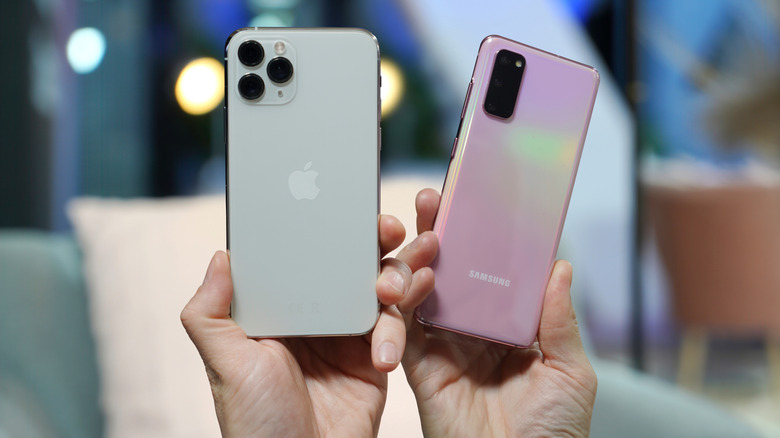
For iPhone users, when Apple stops releasing security patches, it's time to upgrade, since there aren't any custom ROMs (modified versions of iOS) for it. Android has them because its source code is publicly available for anyone to download and modify through the Android Open Source Project (AOSP). It's maintained by Google, which adds security patches to it every month. These are what manufacturers and creators of these custom ROMs use to keep your phone's operating system secure.
There are several custom ROMs for Android users to choose from, but a good option is LineageOS. It's an open-source Android distribution that can be installed on several devices from manufacturers like Samsung, Google, and Motorola. It offers a streamlined and ultra-light experience with its own set of open-source apps, while also bringing the latest Android security enhancements.
GrapheneOS is another popular ROM but, so far, it only supports Google Pixels. Its biggest selling point is that it's an OS focused on privacy and security, with no Google apps and services pre-installed (no Gmail, Chrome, Google Maps, and no Gemini). It's possible to install Google's apps and services, but they'll run in an isolated environment (sandbox), where they have no access to your data or location for Google to track.