

Before You Sell Your Old Game Console, Do This
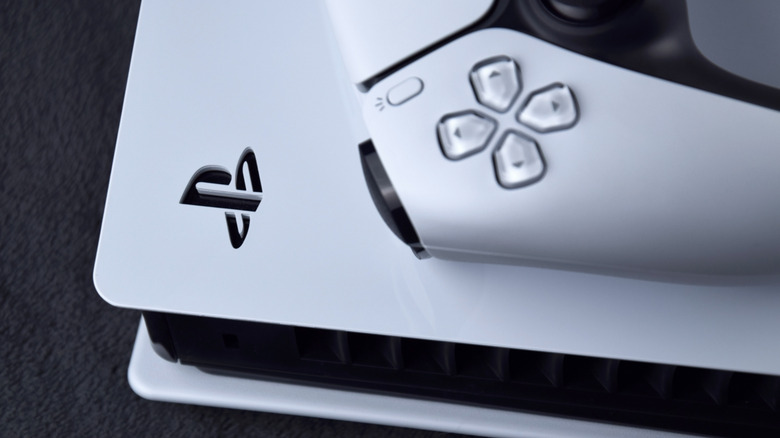
When you upgrade a console to a newer model, you have several options. You could find a clever use for old game consoles, such as experimenting with their software to turn them into retro consoles or media center PCs. You could give it away. You can also sell or trade it in to recuperate some costs. But you need to go through some steps to prepare the device before handing it over.
It starts with backing up your game saves and account data wherever applicable. Once completed, the next step is the same you should follow whenever getting rid of any major devices, whether they're a laptop, smartphone, tablet, or game console. The most important step to safely dispose of old devices is to wipe your personal data, and reset the device to stock or factory settings before turning it off for good.
It may seem like an obvious step, but there are many cases of people buying secondhand devices or consoles with existing accounts and user information still on the drives. All over Reddit, there are stories of this happening with computers, Xbox consoles, Steam Decks, Nintendo Switches, media players, and even Roku TVs. That's why it is imperative, especially for the security of your personal data and accounts, to wipe the system before trading, selling, or sending devices back for RMAs.
Why a factory reset or data wipe is important for consoles and old devices?
The main reason to do a factory reset is that modern consoles can store sensitive information linked to you, including accounts, home addresses, phone numbers, emails, login credentials, payment details, and bank information. Someone who gains access to the device with that information still accessible could theoretically use it for identity theft, to purchase or steal games, and more.
Leaving your account on the console also opens you up to punishment even when it's not due to your own actions. Someone playing games on your account while cheating could get you banned. Breaking rules could even cause your account to be banned, potentially losing access to entire digital libraries and online multiplayer experiences as a result. Not long ago, Nintendo banned a ton of Switch 2 consoles, turning them into offline-only bricks. Granted, that was for using an accessory that modified the console and could lead to hacks. But the point is, someone could do that with a secondhand model tied to the previous owner's account.
Additionally, some platforms have a lock on the total number of authorized consoles, with restrictions for systems not considered primary. Failing to reset a device and unlink it from your account could limit future experiences, leaving you unable to download or play your games on another console. This is especially relevant with Sony's PlayStation, where each system is given a designation like "primary" versus "secondary," and it can affect game licenses. Given Sony is ditching physical PlayStation games by 2028, retaining your digital player access is going to become more important than ever.