

Are Electronics In Duty-Free Stores Actually Much Cheaper?
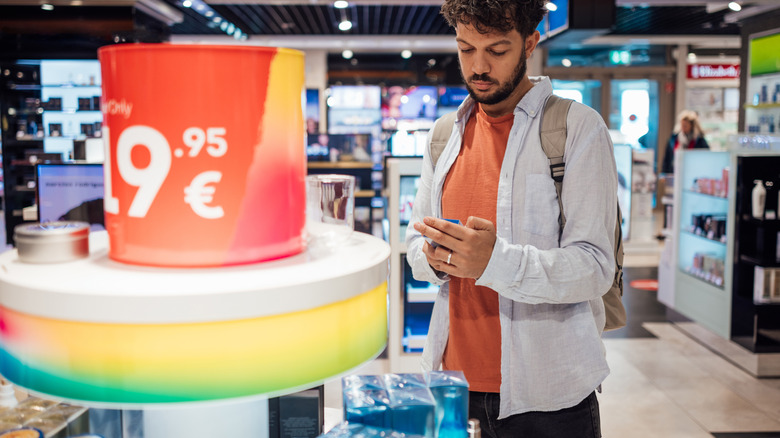
Duty-free shops are usually found in airports, on cruise ships, and at border crossings — places you'd go or pass through while traveling. They're hailed as an excellent place to buy items tax-free, because that's what duty-free means. The tax is waived at the point of sale, sometimes making the items seem cheaper than if you bought them at a traditional retail store. You can usually find advertised deals on candy and snacks, liquor, souvenirs, and even apparel, and duty-free shops often carry goods beyond that, including consumer electronics. Given all this, are these items cheaper? Or rather, will duty-free electronics save you much money?
The answer is not definitive. However, more often than not, you'll be paying higher prices at duty-free shops for things like laptops, phones, cameras, and other electronics than you would be if you simply bought them during a local sale or promotion. Places like Amazon, Best Buy, Costco, and Walmart all offer steep discounts on a variety of products throughout the year, and even with taxes, the take-home cost is often less than you'd pay at duty-free shops. One of the best ways to be frugal when buying electronics is to know the right time to shop.
Per a Duty Free World Council report, 16% of international travelers cited higher prices compared to home as a reason not to buy anything from a duty-free shop. You'll have to declare purchases when crossing back into your home country, anyway. That said, duty-free shops are a solid way to capitalize on items with high-tariff costs, including alcohol, tobacco, and luxury goods. That's because of how it works; you're not paying standard import taxes.
How do duty-free shops work?

Some might assume that duty-free automatically exempts you from taxes and fees altogether, but that's not true. The real reason why duty-free exists, at least as it was originally established, is so that you're not paying double taxes on items you buy while traveling. Say you buy a portable media player in a regular store in Europe — you might be taxed there, but also when you return to the United States and declare your items. You're effectively being taxed twice and in two places. However, if you buy goods in a duty-free store located where you travel — in Europe for our scenario — you wouldn't pay the initial taxes there. Many countries universally agree on this arrangement to reduce cross-border competition.
That's also why you need a boarding pass to shop duty-free stores in locations like international airports. Certain goods purchased might also be packaged and delivered to you as part of a customs process, like after a cruise when you're getting ready to cross through customs and back into your country.
Ultimately, the reality is you're not seeing taxes and fees waived. Moreover, while there are personal exemptions on certain items for U.S. citizens, they don't apply to everything and there's a limit. You're still being taxed by your home country. And that's before you even consider that duty-free stores might be raising base prices.
The best way to know for sure is to compare costs
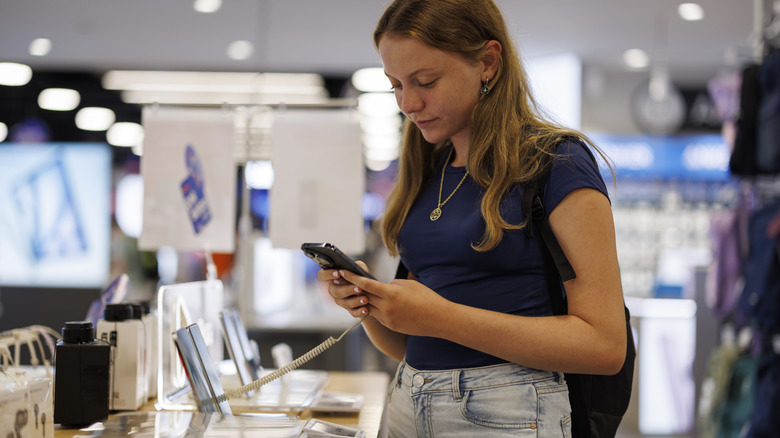
Yes, you'll usually pay more at duty-free shops, but prices vary wildly. The best way to know for sure that you're getting a good deal is to plan ahead. Look up average prices for what you want to buy before you travel. Write it down or keep it in mind while shopping. Back home, try to factor in the total cost, discounts included, along with taxes, shipping fees, and anything else that might be worth considering. If the item isn't being shipped to your home and you have to drive some ways to pick it up, you might consider adding estimated fuel costs to your total. Factor in some of the more overlooked stores with electronics deals, too, not just the bigger names. Of course, none of this applies to things you can't get at home in the first place. There are a ton of cool gadgets you can only find in Japan, for instance.
With your cost estimate in hand, you can better gauge item prices in a duty-free store. Some places, like Shop Duty Free, allow you to look up prices online beforehand. What you also have to remember is that there may be additional costs when you return home and declare your imports. For U.S. travelers returning, you're usually granted an $800 personal exemption, but any purchases over that must be declared and appropriately taxed at customs. If the purchase price and import costs total less than what you'd pay buying close to home, congratulations.
In case it needs to be said, this mostly applies to U.S. citizens traveling abroad and returning home. Additional costs may apply in other countries — for instance, the United Kingdom has a few more considerations for imported goods.