

The Biggest Obstacle For Data Centers Isn't Locals, It's Heat Waves - Here's Why
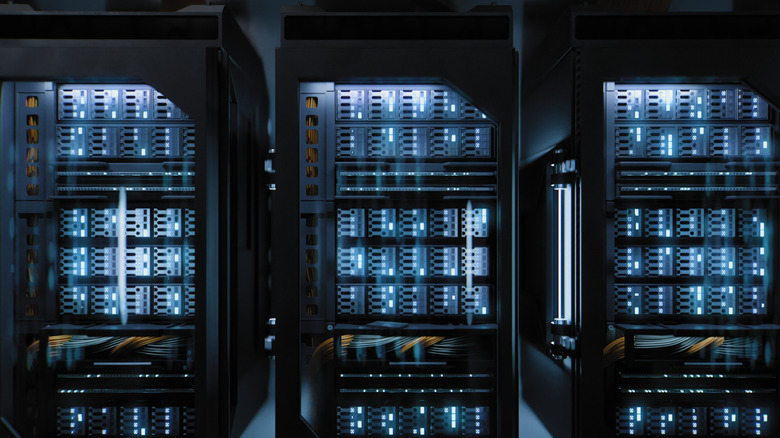
AI data centers are becoming increasingly unpopular as they drive up utility prices, harm the environment, and impact quality of life for those living nearby. A recent Gallup poll found that 70% of Americans oppose local construction, with nearly half saying they strongly oppose new data centers coming to their neighborhoods. Recent heatwaves have made these issues all the more apparent, with data centers getting access to emergency energy backups at times when demand is high.
Frustration from locals isn't the only obstacle data centers are facing amid record-breaking heatwaves across the world. These facilities already run hot and require massive amounts of water to cool their equipment, with Amazon's data centers reportedly using 2.5 billion gallons in a single year. Heatwaves mean the equipment needs more cooling, driving up operational costs. That's only going to get worse as climate change brings about more heatwaves, extreme weather, droughts, and more.
According to the World Economic Forum (WEF), the cost of running data centers could increase by $81 billion by 2035 and $168 billion by 2065. The WEF makes suggestions for preparing them for climate-related disruption and disasters, but even if scientists can make cooling systems more efficient, it doesn't change the fact that data centers are currently being impacted by a climate crisis they are also exacerbating — and a lot of people have had enough.
Heatwaves are making data centers even less popular
Data center hubs like Slough, England, are literally feeling the heat, with one person who works in the town telling The Guardian it was like having something "pinching your body and burning your skin." Not everyone in Slough, which is about 20 miles outside of London and is already home to dozens of active data centers, believes the facilities are worsening the heatwaves, but early research suggests they are to blame. One study (which has not yet been peer reviewed) estimates that data centers increase the local temperature by 3.6 degrees Fahrenheit, creating what the researchers call the data heat island effect.
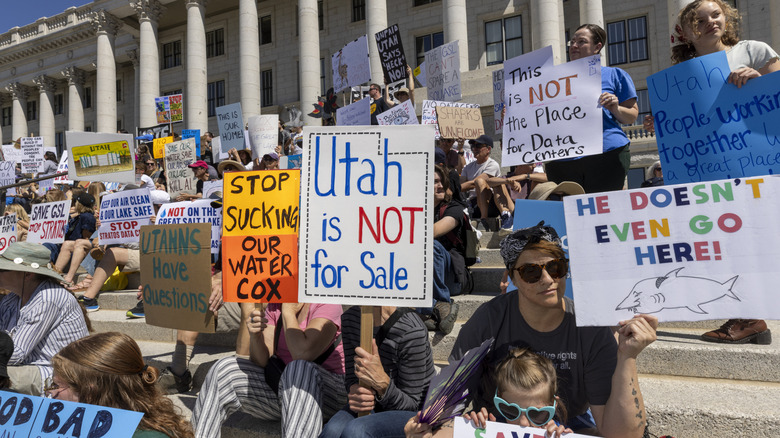
Any further temperature increases make heatwaves far more dangerous, but that's not the only reason people around the world are turning against data centers. In Utah, hundreds of protesters came out in opposition to a massive AI data center announced for Box Elder County. Many fear the project will consume water in a state where Governor Spencer Cox declared a state of emergency due to "extreme drought conditions" in May 2026.
The backlash against new data centers has had some success. According to Data Center Watch, protests blocked $130 billion worth of projects in just Q1 2026 as grassroots opposition against data centers has gained steam. It's starting to translate into political change. New York Governor Kathy Hochul signed a first-in-the-nation statewide moratorium on new hyperscale data centers, referring to those that use 50 megawatts of power or more, giving the state a year to establish regulations to protect residents and the environment. It's clear that anger towards AI data centers is growing across the country and the political spectrum, and heatwaves are making their environmental and financial costs all the more apparent.