

Who Owns OtterBox, The Smartphone Accessory Brand?
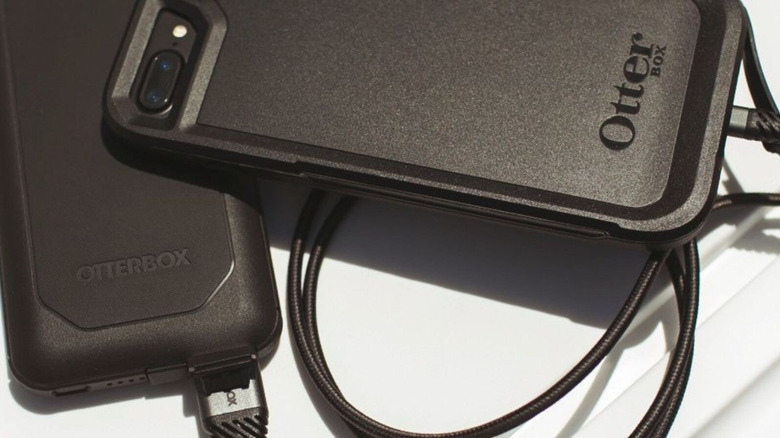
Otter Products, better known as OtterBox, which makes some of the most durable phone cases on the market, is a well-known smartphone accessory brand. Although most recognizable for its smartphone cases, OtterBox makes everything from screen protectors to chargers and smartwatch accessories. Despite growing quite a bit over the last several years, the company has remained a family-owned business.
This stands in contrast to competitors, such as Anker Innovations, which is a public company listed on two stock exchanges, and Belkin International, which is a company you might not realize is owned by Foxconn. Although the exact shareholding details are unclear, OtterBox ownership is likely limited to the company's founders Curt and Nancy Richardson. Curt Richardson led the company as CEO for much of its initial existence before moving into the role of chairman and chief visionary officer in 2012. JC Richardson, son of the founders, replaced Curt as the chairman in 2024, when Trey Northrup took up the CEO mantle.
From waterproof cases to a smartphone accessory giant
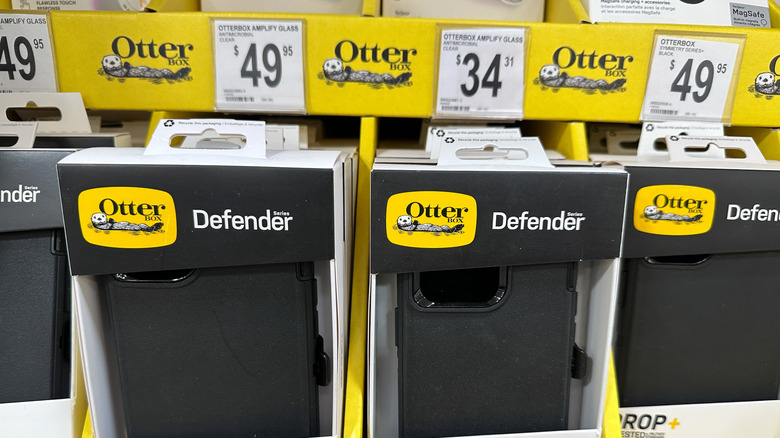
OtterBox has come a long way from its 1998 founding in Fort Collins, Colorado. The company initially made waterproof cases; however, it diversified into protective phone cases as the smartphone market grew bigger. LifeProof, a rival case maker, was one of its first major acquisitions in 2013. While OtterBox has largely moved away from the LifeProof branding, you can still spot LifeProof-branded cases selling on Amazon and other online retailers.
Otter Products also has a subsidiary called the OtterCares Foundation, which focuses on philanthropic efforts and was established by OtterBox co-founder Nancy Richardson in 2010. Moreover, it runs the OtterBusiness brand to cater to commercial customers. The Otter Products brands offers a wide range of products. You can buy OtterBox cases for mobile devices, screen protectors, wired and wireless chargers, stands, straps, and even drinkware. Its products are offered via e-commerce channels, brick-and-mortar stores, and from device manufacturers.