

Who Owns Dbrand, The Tech Accessory Brand?
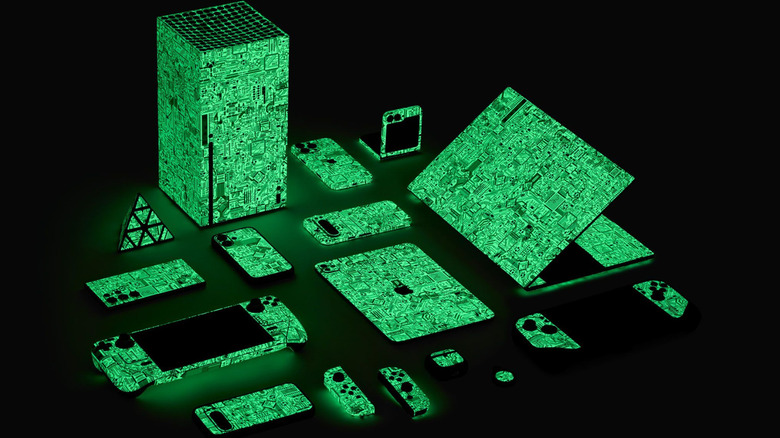
If you've ever custom-wrapped a game console or bought some textured shielding for a smartphone, you've likely wondered who owns dbrand, a famously confrontational titan of the electronic accessory market. It's not a convoluted part-ownership situation; it's entirely independent. It's currently run by its original founder and current chief executive officer, Adam Ijaz. Since dbrand officially kicked off on November 11, 2011, the firm has continued to run its primary global operations out of its corporate headquarters in Toronto, Ontario. It stays outside the circle of venture capitalists while avoiding public shareholders to remain a direct-to-consumer outfit that handles its own designs, material manufacturing, and combative digital marketing on its own terms. It's always fun to see who's behind your favorite brands, especially technology firms like Anker and dbrand.
The lack of corporate bureaucracy allows the management team to deploy a chaotic online persona that would terrify a typical public board of directors. This is especially evident with dbrand's social media accounts openly taking on and giving back insults to consumers alongside crafting viral controversies to promote products. Because the organization remains a private entity under the control of its founder, it has the unique financial freedom to take risky choices without fear of market reprisal. We're looking at you, ugly-as-hell Apple Vision Pro cover.
Dbrand launched a massive copyright infringement lawsuit against Casetify
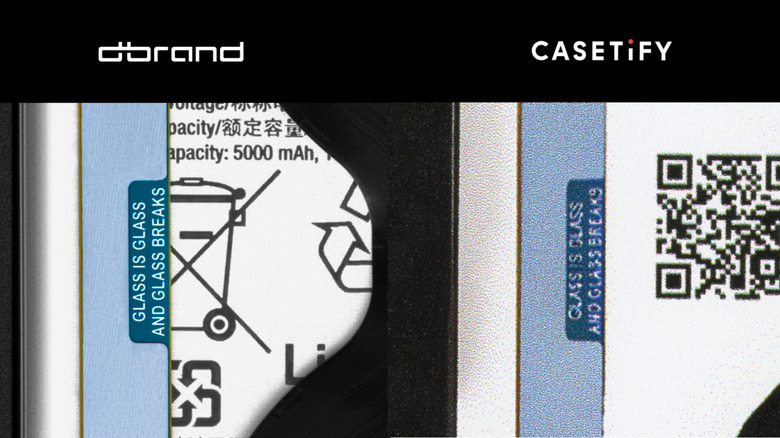
In November 2023, dbrand showed the internet that it's not here to mess around when its original designs, specifically the collaboration with content creator Zack Nelson, were copied by Casetify. This was a multi-million-dollar copyright infringement lawsuit against Casetify in federal court, with dbrand claiming the competing manufacturer had systematically cloned the precise, high-resolution digital scans used in dbrand's signature teardown accessory collection, which mimics the internal components of smartphones, laptops, and game consoles.
Casetify allegedly copied the proprietary files to produce its own "Inside Out" series. The definitive proof came down to multiple distinct layout anomalies and digital Easter eggs that the competitor failed to remove before mass manufacturing. One of these printing errors includes Nelson's personal catchphrase "glass is glass, and glass breaks" alongside hidden text tags explicitly referencing dbrand's corporate customer service handles and its formal founding date of November, 11, 2011.
However, it was very surprising to see dbrand release a custom Steam Machine shell fashioned after a Companion Cube found in Valve's classic "Portal" series without the consent or licensing deal from Valve themselves. More than 15,000 people signed up to buy one, with a representative going on record to say, "We're going to regret that decision for a very long time." Given their history of copyright and IP infringement battles, it's surprising to see dbrand taking a chance like this.
Collaborative partnerships don't affect dbrand's ownership
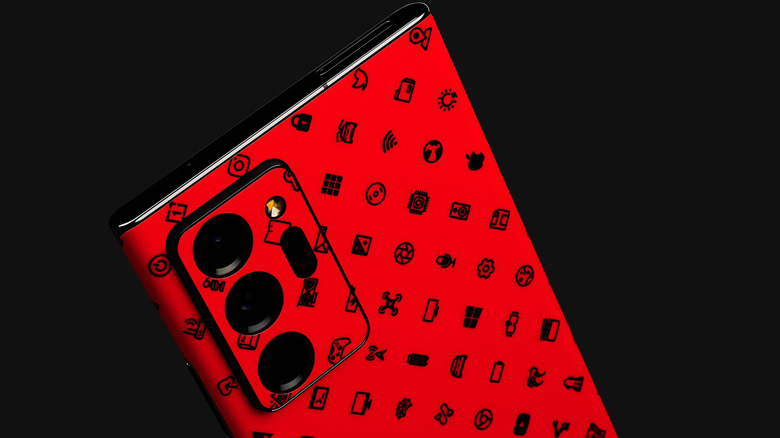
With influencer involvement in prominent dbrand lines, such as YouTube superstar Marques Brownlee's MKBHD skin drop, many wonder if they hold any kind of equity stake in the company. Although the tech reviewer co-developed collections in the Icons series, he has no corporate ownership. Ultimate control remains strictly with Adam Ijaz. This became apparent during a 2024 public relations disaster over on X (formerly Twitter), where user @BhumanChitransh reached out to @dbrand regarding a discolored skin. Dbrand is known for its fiery replies to detractors online, but it got to the point where Brownlee himself refused to work with dbrand further until an official apology was made. After an apology and offer of a no-questions-asked $10,000, this situation proved that influencers have zero stake in dbrand, just partnership agreements.This centralized model lets the business move fast, even placing upcoming iPhone 17 cases from dbrand on sale early to beat slower rivals to the punch.
Another point of debate among customers is whether specialized grip shells like Killswitch rival other options like legacy OtterBox options. While Killswitch provides great defense against drops and bumps, real-world users noticed that the Switch 2 model forced the Joy-Con 2 controller to detach, with the console unit falling on the floor. This was quickly resolved with a product redesign and silicone friction pads sent out to existing owners.