

What It's Actually Like To Live Near A Data Center
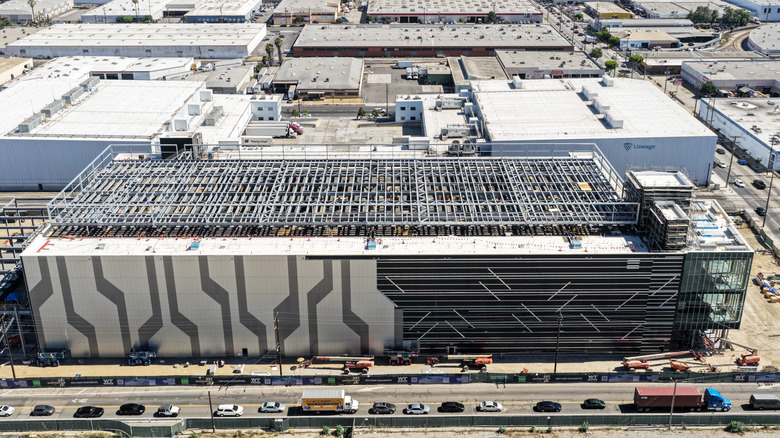
As AI continues to develop, there is a growing need for additional data centers to house the vast number of computers required to operate the technology. These massive facilities store all of the servers and network equipment, while providing power and water for cooling. The construction of new centers has a significant impact on surrounding communities, and all it takes is a quick scroll through TikTok or Instagram to find videos of people living nearby a data center.
As it turns out, they are not thrilled about it as data centers do way more than use electricity and water. News broadcasts consistently show stories of city council meetings talking about what it is like living in the shadow of a data center or one that may soon be built. Videos feature homeowners saying that it sounds like constant noise all day long, and that centers have raised electric and water bills and are even forcing some residents from their homes. Many data centers have diesel generators that neighbors say are noisy, ruining what once was a peaceful life for homeowners.
The reality of living near a data center
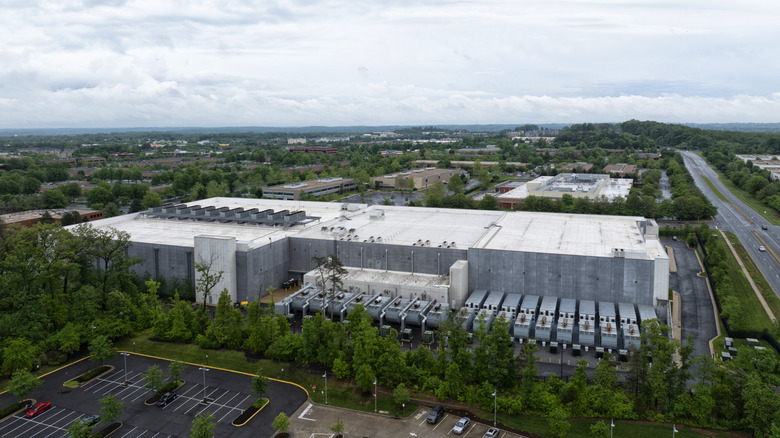
There has been a lot of data and research into the impact of AI data centers on the environment. Large sites owned by tech giants such as Amazon's data centers reportedly use billions of gallons of water per year. Where there were once peaceful pastures and farmlands, data centers have taken advantage of low real estate and utility costs of rural areas, turning these areas into a nightmare for some people. According to Newsweek, there are data centers in all 50 states.
For those who live near a data center, the reality of living near one is not great. In the case of an Indiana family, they say a data center was the reason nearby houses were bought and later demolished to make way for what may be Amazon's largest data center in the U.S. Still, there are those who don't mind AI data centers being built or ones that are already in their area as it's been pointed out in Reddit communities.
A family in Georgia claims a data center that was previously built is now forcing them from their home as the utility company adds new transmission lines on their property. The video's owner says city is taking their house using eminent domain, which states the government can take private property and turn it into public use. That story got national news headlines at CBS, where it's reported that Georgia Power's need for more infrastructure is forcing several homeowners to either leave their home behind or reduce their property lines, as is revealed in a TikTok video.
What can you do if you think a data center might be built near you?
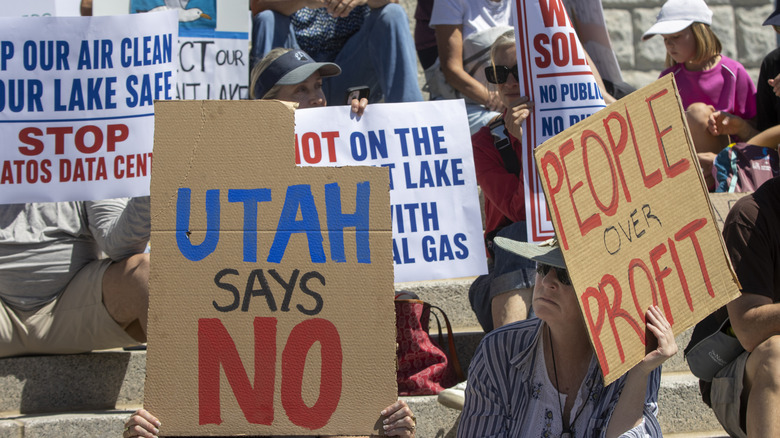
To homeowners and residents, AI data centers are a growing concern, but if you're worried that an AI data center may be built in your city, you can take action — attend community meetings and connect with local politicians to discuss this topic. Social media, as is the case in Georgia, is also a powerful tool to spread the word. It may not have ended in the Georgia family keeping their home, but it did showcase just how strong a person's voice can be. The original video detailing what Georgia Power is doing has more than 21,500 comments and 1.3 million likes. Reddit users say attending and speaking up at city council meetings, voting in elections, and communicating with local government leaders are a few ways to get involved.
There may also be a way for you to see if an AI data center will be built in your city and state. Check your local news stations to see if they have updates on new construction or proposed ideas about building them where you live. You may even be able to watch live city council meetings or attend in person in your local area.