

The AI Data Center Boom Is Having An Unexpected Effect On Local Campers

AI data centers require a lot of power to keep things running, and that does more harm than just driving up utility prices. In addition to consuming massive amounts of resources and emitting air and noise pollution, these facilities have unexpected downwind effects on locals. One of these is impacting campers, including regulars at an Iowa campground who travel there on an annual basis.
This Fourth of July, campers looking to spend the holiday weekend at Unhitched Sleepy Hollow RV Park in eastern Iowa struggled to find space to park their vehicles. That's because, as the campground's manager, Stephanie Chrisman, told ABC affiliate KCRG, 85 percent of the space is currently occupied by workers helping to build data centers in the area.
It's not the only campground in the region that's at capacity. Many AI projects currently under construction are getting closer to national parks and nearby campsites, turning places that are usually recreational into long-term housing for workers. The campgrounds are far cheaper than hotels in the area, costing as little as a third as much as even the cheapest daily lodging options in the region. These temporary residents can be great for the campgrounds, which usually see their capacity fall during the off-season. However, in addition to being a pretty clear symbol of how unaffordable housing has become across the country, it's another example of how AI data centers impact locals in ways no one could have predicted.
Anger at data centers is bringing locals together
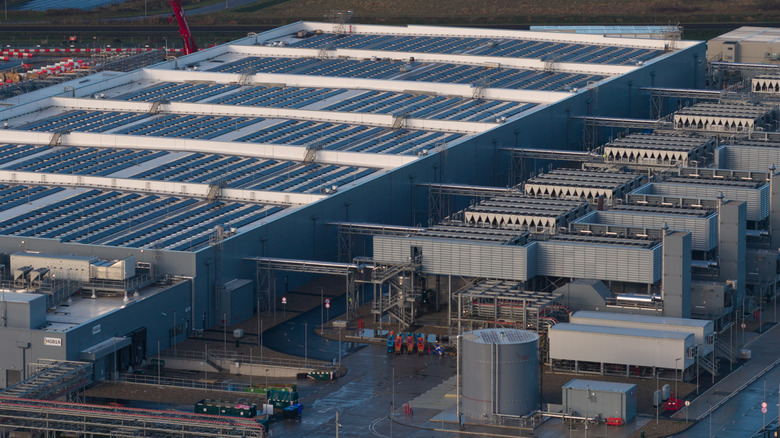
Campgrounds are far from the only example of AI data centers interfering with people's lives and routines. There are obvious things like energy and drinkable water usage. For example, Amazon data centers reportedly used over 2.5 billion gallons in just one year, and that company is far from the only offender. The noise pollution they cause also impacts humans and animals, including the most sensitive animals at the Nashville Zoo.
For these reasons and others, AI data centers are growing increasingly unpopular and are becoming one of the few things Americans across the political spectrum can agree on. According to a Gallup poll published in May 2026, about 70 percent of Americans say they don't want data centers built in their area, with nearly half strongly opposing them and similar results among Democrats, Republicans, and independents. That's why the announcement of new AI facilities have been met with incredible resistance from surrounding communities. Particularly in the Midwest — where well over 1,000 data centers are operating, under construction, or planned — rumors alone have been enough to galvanize opponents. The protests have proved effective in some cases, reportedly blocking at least $130 billion worth of planned projects in the first three months of 2026 alone.
But while these protests have stopped or delayed some new data centers, they can't prevent all new projects, nor can they help those already living near active sites. The Federal Energy Regulatory Commission (FERC) plan to make data centers pay for grid access is a start, but that still doesn't change the fact that AI companies aren't the ones paying the price for the damage (in all forms) their facilities cause.