

The US Is Making Data Centers Pay For Grid Access — But Power Bills Are Still Going Up
The AI bubble is slowly unraveling — kind of. Companies gobbled up RAM to power data centers, which turned 2026 into an expensive year for tech, to the point where certain manufacturers are producing older models of RAM to mitigate some of the damage. However, AI also caused electricity bills to spike, even as the companies behind AI foot most of the bill.
Earlier this month, the Federal Energy Regulatory Commission (FERC) issued orders to, among other things, speed up the integration of "large energy users" such as AI data centers among all regional grid operators under its jurisdiction. This decision might sound like the government is prioritizing the energy needs of these data centers, which isn't inaccurate but also doesn't cover the full scope of the order. This fast-tracked coverage will have to "respect the region-specific rules that are already in place." The most important of these rules will guard against "cost shifting" (i.e., the data center owners can't underpay for electricity costs, forcing other customers to pay the rest of the expenses). Not only does the FERC put its foot down on the matter, but it is drafting state governments into enforcement duties.
Admittedly, the FERC's orders are subject to change since it is giving energy companies 60 days to explain why their tariffs should remain, as well as 30 days to show how they intend to provide enough energy for the data centers while also delivering electricity to other customers. Well, 60 days and 30 days, respectively, as of the order's submission, which was on June 18, 2026. Plus, as transmission service models differ from region to region, potential roles, responsibilities, and rules could differ as well.
A real effort or just lip service?
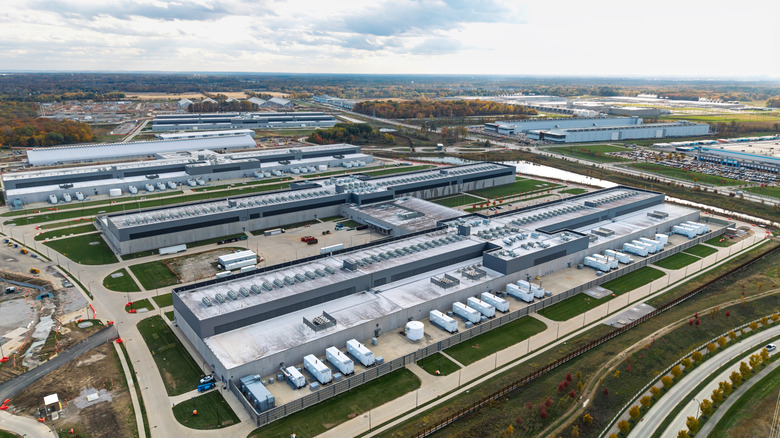
As we are at least a month away from the FERC's order truly being enacted, many people in the U.S. still have to deal with the harm caused by AI data centers. Admittedly, the damage includes noise pollution and a lack of clean water, but at the end of the day, most people are still concerned with increasing utility bills since the cost of electricity keeps going up.
While companies such as Google, Microsoft, Meta, and Oracle have signed pledges to build and buy new sources of power to fuel their data centers, they have yet to deliver on their promises ... kind of. According to reports, construction of the aforementioned energy sources is lagging behind schedule. Over 60% of the capacity, which is supposed to be ready by 2027, hasn't begun construction. And yet energy is still in shortening supply, resulting in higher electricity bills and rolling blackouts. Supply simply can't keep up with demand.
To make matters worse, many of the people who run the electricity grids are worried about FERC's order. Concerns have been raised that they will no longer have the authority to manage their own supply processes. More importantly, some people believe the order could potentially "undermine" efforts to focus on renewable energy sources, especially since solar power recently started producing more energy than coal. Since the energy demands of data centers could triple in the US by 2035, cost shifting is a huge and reasonable concern for the average person, albeit not the only one.