

Who Owns Redmi, The Smartphone Brand?
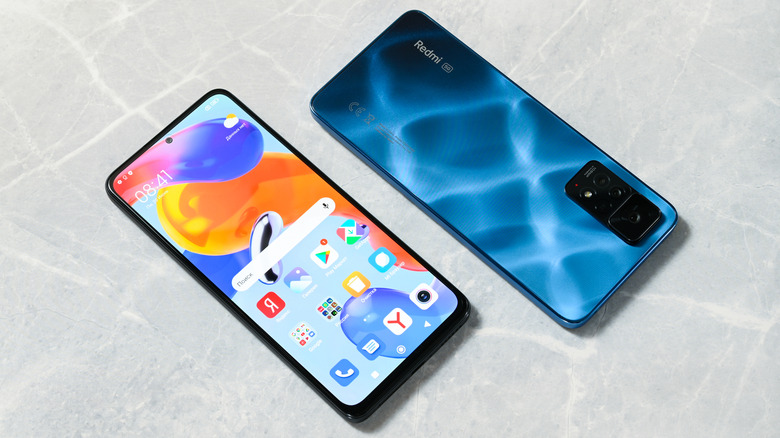
Redmi is a Chinese smartphone brand that operates as a sub‑brand under Xiaomi Group. It is ultimately owned and controlled by Xiaomi Corporation, headquartered in Beijing, alongside a number of phone brands owned by Chinese companies.
Redmi began life in 2013 as Xiaomi's budget phone line, created to push aggressively priced devices with strong specs into emerging markets. In 2019, Xiaomi formally made Redmi its own sub‑brand under the Xiaomi Group umbrella, which was largely done to clarify product positioning. Redmi focuses on value and mass‑market appeal, while Xiaomi‑branded phones play in more premium territory (and have captured the largest share of the global market behind Apple and Samsung). Despite that branding split, Redmi remains fully owned by Xiaomi Corporation, with strategy and portfolio decisions ultimately flowing from the same executive leadership.
Xiaomi itself is a Chinese electronics giant founded by Lei Jun, a Chinese billionaire and computer engineer, and partners in Beijing. It has grown from a software‑centric MIUI (Xiaomi's customized Android-based operating system and user interface for its phones, tablets, and some other devices) player into a global hardware powerhouse. Lei Jun publicly confirmed Redmi's status as a Xiaomi sub‑brand when that 2019 restructuring was announced, underscoring that "independent" in this context is about market segmentation and brand identity, not separate ownership. That's why you'll often see Redmi, Xiaomi, and Poco discussed together; all three sit under the same corporate roof, even though they chase different customer segments and price bands.
Country of origin vs. where phones are made
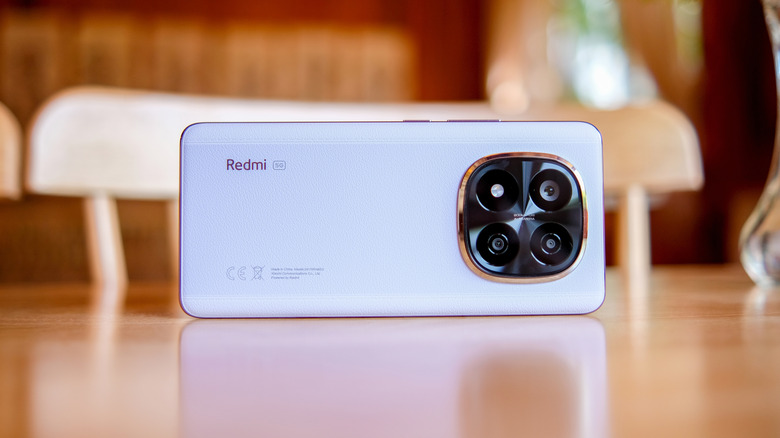
Redmi phones are ubiquitous in India, Southeast Asia, and other cost‑sensitive markets (despite suffering from a handful of common problems). Because of this, there's perennial confusion about whether Redmi is an "Indian" or "local" brand, especially when the device's packaging highlights Made in India or Made in Indonesia labels. Despite these phones being under Chinese brands, many of the phones sold in India and other regions are assembled locally to meet manufacturing policies, lower logistics costs, and tap local incentives. That means a Redmi device might physically be built in a factory in India, yet the brand, intellectual property, and strategic control sit firmly with Xiaomi in China.
For buyers who want to verify their phone's origins, Xiaomi's ecosystem makes it possible to check where a particular device was manufactured by looking up model and region codes in settings or on the packaging, even though the corporate owner is the same Chinese parent in every case. This split between brand nationality and manufacturing location isn't unique to Redmi. It mirrors a strategy emulated by many global OEMs that operate regional assembly lines under a single headquarters and ownership structure.