

Can You Use A Google Pixel In China? It's Complicated
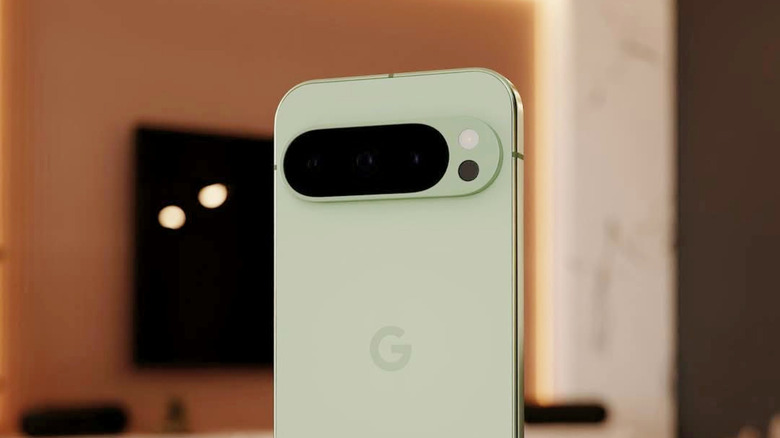
Planning a trip to China? Maybe you'll be there for a longer work stay? You'll need to be prepared for a completely different internet experience than the one you're used to. Besides figuring out how to get WeChat — the most essential app to daily life in China — up and running along with a digital payment service, you might want to take a step back and think about your phone. If you're a Google Pixel owner, should you bring it over or leave it at home?
More specifically, your access to Pixel-related functionality and the wider Google suite of features will come down to where you're getting your mobile data plan from and, if you're planning on using Wi-Fi in the country, what VPN you plan to use. Plus, with China's continued fortification of its digital surveillance, you should also be aware of the risks to your privacy and safety while you're in the country.
Your Google Pixel in China works only as well as your eSIM
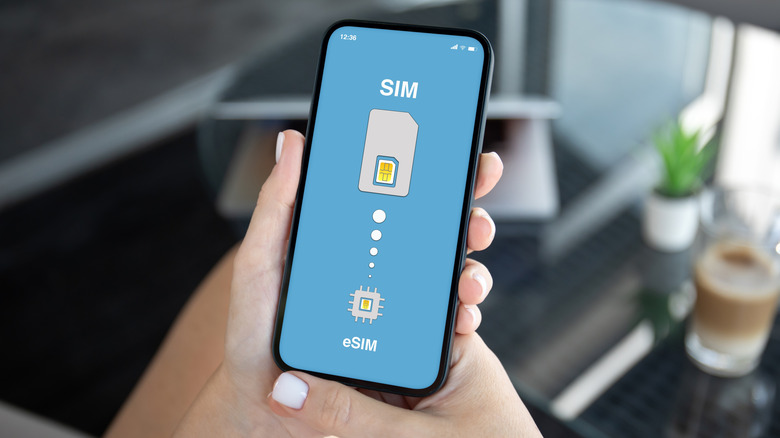
Most travelers will choose either to subscribe to an international roaming plan with their home carrier, or purchase an eSIM plan. Whatever the case, if your chosen carrier has a roaming agreement with a Chinese network, then your phone will route its traffic through the local network back to your carrier's home territory before moving onward to your intended destination. This is what allows you to browse Facebook, upload to YouTube, and do most of whatever you could on your phone, outside of China and the influence of the "Great Firewall."
The Great Firewall refers to the Chinese government's internet censorship regimen, which includes the blockage of sites operating contrary to rules and values set out by the Chinese Communist Party, as well as search engines that do not block such sites from appearing in results. It also entails active monitoring and quashing of sensitive posts circulating around news and microblogging sites.
There are some edge cases where a service won't be available while roaming. Guidance from eSIMDB notes that if your eSIM is sourced back to a carrier in Hong Kong, that means you'll be using a Hong Kong IP address. You'll see search results localized by Google Hong Kong, and websites that aren't accessible in Hong Kong will also not be accessible to you. OpenAI, for example, has not made ChatGPT available in either Hong Kong or China, so you won't be able to use that service while on your trip. You are able to use Google Gemini, though, as it launched in the territory as of March 2026.
What about using a Google Pixel with a VPN?

Visitors who can't afford large pools of data through their cellular plan might be tempted to use local Wi-Fi networks or even a local SIM. Those signals, however, are subject to the Great Firewall, so if you're looking to break through, you'll need a reliable VPN. That's going to be a tall order, as the Chinese government has imposed increasingly restrictive policies that have reduced the number of VPNs that work in the country and have opened up backdoors for spying on the handful that are allowed.
A worrying development came out of a data leak in September 2025 from Geedge Networks, a Chinese web censorship company. Analysis from University of Massachusetts Amherst researchers indicates that it has been involved in monitoring and/or blocking traffic to NordVPN servers, along with a host of other site categories in China and other countries in which Geedge operates.
In lieu of a complete explainer on an everchanging situation, you should expect difficulty in getting a VPN to work and making sure the connection stays working while in China. Download an Android app store that operates in China, such as Huawei AppGallery, to see your options. Know that your traffic can be monitored at any time, and plan to go untethered if a major incident attracts an immediate wave of censorship activity.