

Wired Vs. Wireless Headphones: Which Ones Last Longer
It's undeniable that wireless gadgets have become the modern standard. When talking about headphones in particular, the sheer convenience is an instant seller: You're much more mobile, and there's rarely a need to untangle the seemingly endless knots wires get into. It doesn't end there, though. If you buy a device like the AirPods Max 2, it includes premium features like active noise cancellation (ANC), which relies on a microphone to identify and filter out external sounds. There's also spatial audio, which makes sound seem more immersive, and a bunch of other functions tailored for iPhones, iPads, and other Apple devices.
So why choose a dinosaur like a wired headphone when modern tech offers so much convenience? Audiophiles still choose wired headphones in part because they're just more reliable. After all, many wired headphones don't have to deal with batteries, wireless radios, or other software just to function. Instead, a wired pair of headphones is mostly just two passive transducers in plastic shells with some foam on top. That means fewer parts that can fail, aside from the cable.
Wireless headphones, meanwhile, typically have built-in batteries that aren't designed to be replaced. That means even if they're built like tanks, you'll only get between three and six years out of them before they no longer hold much of a charge. Depending on your use, they technically could go on for much longer, but even if you do your best, you can't beat chemistry. Wired headphones, meanwhile, could last decades or more, depending on how you care for them. That is as good an investment as you can find when buying tech products.
How long should you expect to get out of your headphones?
Sound quality is often subjective. Some people are adamant that wired headphones still offer a more balanced and natural sound than even top-of-the-line Bluetooth models. That's largely about personal taste.
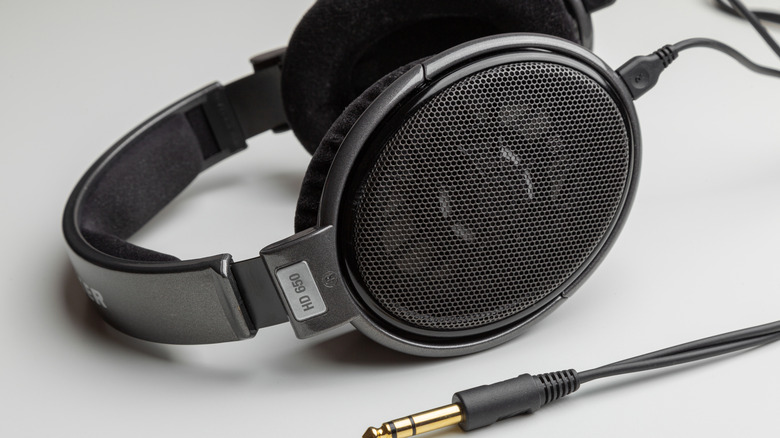
Lifespan is another issue entirely, particularly with brands like Sennheiser. Many owners say Sennheiser headphones can last decades, particularly if you spring for a well-regarded model like the Sennheiser HD 650, which retails at around $580. Long-time customers often say all you need to do is replace the foam pads from time to time. And you can also easily find those online.
It's different for the company's Momentum series wireless headphones, which are well regarded, but users say they can hold the charge even after three years. The same trend affects the overall lifespan of Sony headphones. Premium wireless models like the XM5 may die after three years of use, but the legendary monitoring Sony MDR-7506 routinely lasts more than a decade. This isn't a blemish on Sony's or Sennheiser's wireless cans, but rather, it's the expected lifespan of rechargeable batteries. Even the well-reviewed original AirPods Max had users report they experienced either battery issues or other malfunctions around the three-year mark.
One last thing to consider is that while wired headphones last longer, they may not be the right choice. Audiophile cans aren't really made to be thrown into a gym bag, for example. If your main goal is portability and ease of use, you'll likely prefer a wireless model.