

5 Disadvantages Of Nuclear Energy (And Why AI Might Make Them Harder To Ignore)
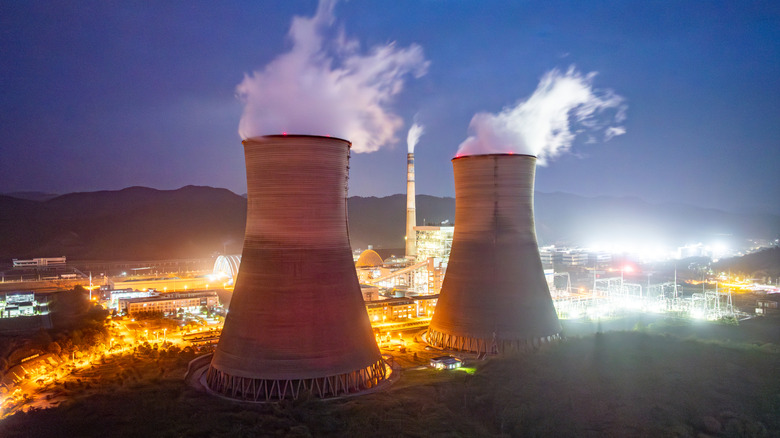
As demand for artificial intelligence (AI) and data centers continue to increase, finding ways to generate the power required to meet their needs is a significant challenge. In a recent report, the International Energy Agency (IEA) says data center electricity usage worldwide is expected to double from 2025 to 2030. AI's power use is expected to triple in that same time frame. To meet this expanding demand for energy, new nuclear energy options are in the works.
Can nuclear energy be used for AI in a safe manner, and is nuclear power 100% clean? Creating nuclear power involves capturing the energy created when splitting the nucleus of the atom inside a reactor and using it to produce steam that turns turbines and generate electricity. It's considered energy with a small carbon footprint.
However, the public's perception of the safety of reactors and concerns over how to dispose of the waste byproduct essentially stopped construction of new plants in the United States between 1977 and 2013. The new need for power for AI and data centers has spurred big tech companies to suggest developing nuclear energy facilities once again to help meet the demand. Federal government plans were introduced in 2025 that aim to create four times as much nuclear energy capacity in the United States by 2050. With a renewed spotlight on nuclear power plants, though, some of the long-standing concerns over generating power this way could make the potential dangers of nuclear waste created during power generation much harder to ignore.
Nuclear power plant accidents in the past are concerning

Although major nuclear power plant accidents have been rare in the almost 70 years these plants have been producing electricity, such accidents create significant environmental and human health concerns. Only three major accidents have happened since 1967, involving Three Mile Island in Pennsylvania, Chernobyl in Ukraine, and Fukushima Daiichi in Japan. The Chernobyl accident was the most serious, causing 30 deaths within a few weeks of the meltdown. In the decades since, UNSCEAR has recorded 19,233 thyroid cancer cases between 1991 and 2015 among people who were under 18 at the time of the accident, and estimates roughly one in four is attributable to radiation exposure. In the Fukushima Daiichi accident, two workers drowned in the tsunami when checking the plant for damage after an earthquake hit Japan. Japan has since recognized one worker's death from radiation-related cancer, and more than 2,000 further deaths have been linked to the evacuation. The Three Mile Island accident caused no injuries.
Even though nuclear power plants use designs that aim to greatly minimize the risk of accidents, people still worry about releases of radioactive material in accidents or terrorist attacks. It's not unusual for people to overestimate the risks of using nuclear power plants. Some people may fear that increasing the number of nuclear power plants to fuel AI growth will lead to a proportionate increase in major accidents. However, new plant designs greatly reduce the risk of out-of-control meltdowns.
Environmental impacts occur even when accidents don't happen
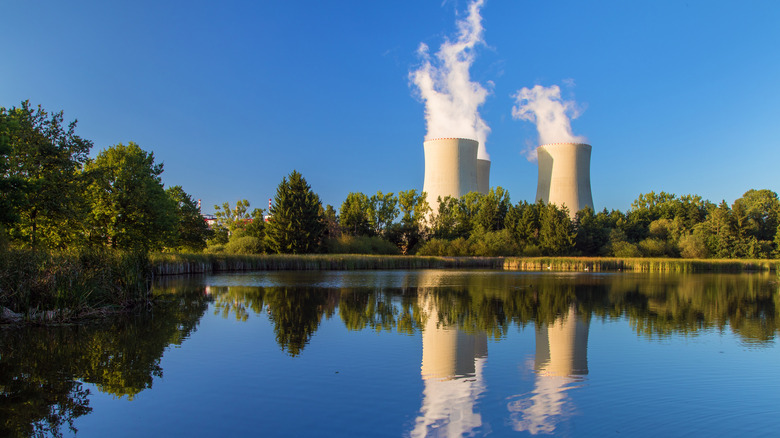
Although accidents and the release of radioactive material is a primary fear of this technology, just having the facility in operation generates significant concerns. The general operation of nuclear power plants can have potentially negative environmental impact in a local area. Because generating nuclear energy requires a significant amount of water for the cooling process, local bodies of water may see an increase in temperature that could negatively affect plants and animals.
Considering that data centers managing AI processes also need significant amounts of water to cool the equipment, concerns over the combined amount of water required for nuclear power plants used to provide electricity to data centers are sure to be a source of contention. Those opposed to nuclear power plants may worry about devoting land to this process, as construction and operation could affect the local environment, especially when built in conjunction with land-hogging data centers. However, the impact to the land of building a nuclear energy plant is not significantly different than with power plants that create electricity using other fuels.
More nuclear power means generating more radioactive waste
One of the biggest problems with nuclear energy is the generation of radioactive waste, which is classified based on its intensity of radioactivity. Although only about 3% of the waste generated contains 95% of the radioactivity, significant public fears exist over how all the waste is handled. Plans to build additional nuclear power plants to feed the needs of AI and data centers will increase the fears of what to do with the growing amount of waste.
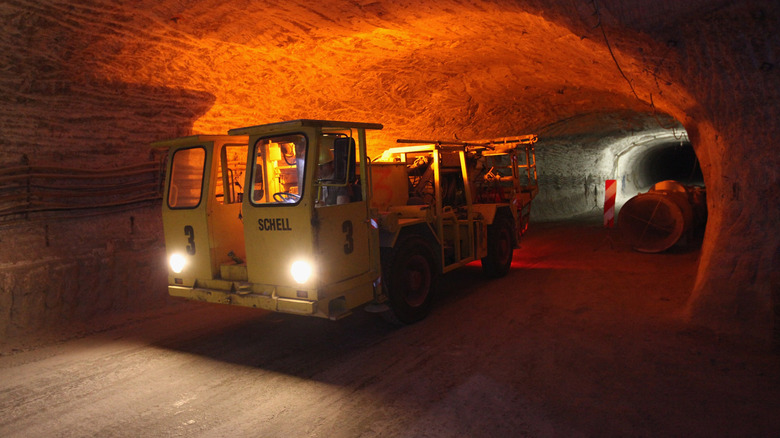
Disposing of nuclear waste from power generation can involve storing it in buildings, burying the material, and using deep storage inside geological formations. The proper type of storage to protect the environment from exposure to the waste depends on the level of radioactivity. The fact that the spent fuel and waste materials can potentially remain radioactive for thousands of years or longer creates environmental concerns among members of the public. The challenges of explaining the safety of the storage process to the public and politicians has been challenging for the industry. It will almost certainly be a significant discussion point against using nuclear energy to operate data centers.
Buying uranium for power could lead to weapons development
Countries claiming to want to begin generating nuclear power may purchase uranium that they can later enrich to create plutonium to weapons-grade levels, or operate a reactor that breeds plutonium in its spent fuel, which is then chemically separated through reprocessing. Both are routes to a weapons program. Big tech companies are building data centers and AI capabilities in countries throughout the world. If nuclear energy will provide electricity to these new data centers, the significant increase in the use of uranium may make it far more difficult to track the material and how it's being enriched, potentially increasing the risk of weapons development from a rogue government.
When operating a nuclear energy program, the process starts with enriching the uranium. Using low-enriched uranium (LEU) is common for non-military purposes, while highly enriched uranium (HEU) is primarily used for weapons. The International Atomic Energy Agency (IAEA) creates safeguards and monitors the enrichment of uranium to try to prevent the unauthorized creation of HEU, ensuring countries focus on producing LEU. The IAEA requires participating countries to sign safeguard agreements. However, countries including North Korea, Iran, and Iraq have found ways around the safeguards in the past. North Korea produced plutonium at its Yongbyon reactor, while Iraq's covert program and Iran's disputed one both centered on uranium enrichment, sparking new fears if worldwide nuclear power expansion occurs.
Building plants takes time, but power demands won't wait
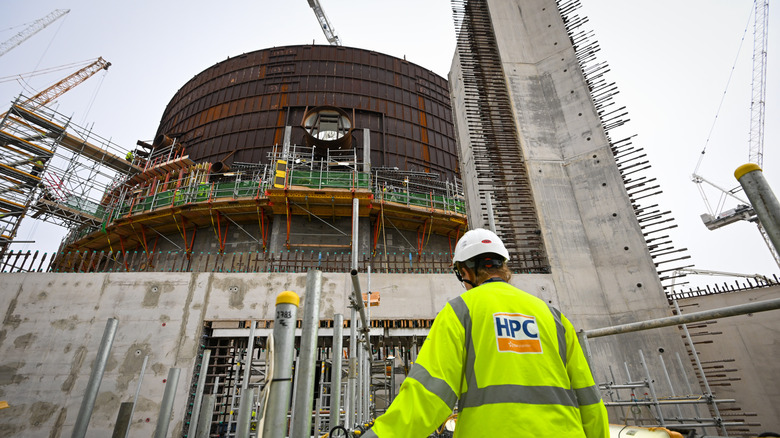
Next-generation nuclear reactors in the United States are being planned, but they will take several years to be operational. Meanwhile, data center power demands for electricity are expected to double from 2025 to 2030, according to the IEA, well before newly announced nuclear plants are operational.
A nuclear plant takes at least five years to build once construction starts, but it might need another five years to review an application to build a new plant. The last two reactors finished in the United States, at Georgia's Plant Vogtle, took 11 years. In June 2026, the federal government announced plans and loans to build 10 new nuclear plants with construction starting in 2030 and producing power by the mid-2030s. Local scrutiny during lengthy planning and construction phases sometimes leads to project cancellations. With some people also opposed to data centers, associated nuclear plants may face an uphill battle in winning over the public.
Near-term data center electricity demand will likely fall to coal and natural gas plants, despite issues with aging coal plants becoming less consistently reliable and a lack of capacity to manufacture natural gas turbines fast enough. Green options like wind and solar power generation offer only intermittent resources that can't likely manage the higher demand alone.