

Why Haven't Foldable Phones Gotten Cheaper After 8 Years?
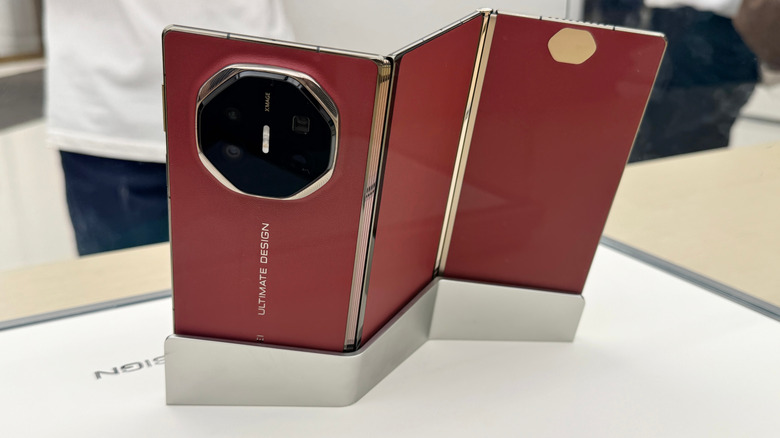
Foldable phones have improved a lot since the first Galaxy Fold launched in 2019 –especially the best foldables – but these phones still live in a premium price bracket because the core parts of the product remain expensive to manufacture. The biggest drivers of cost are the multiple, flexible, large displays, the hinge system, and the extra engineering needed to make both survive repeated folding without ruining the user experience (alongside all the other features exclusive to foldable phones).
The display alone makes foldables harder to price like ordinary smartphones. A foldable phone usually needs not just one screen, but a larger flexible main panel plus a cover display alongside that inner screen, which are more complex and costly to produce than the glass panels used in standard slab phones. The hinge is the other major expense. Foldable phones have to fold smoothly, stay aligned, resist wear, and often support dust- and water-resistant designs, which pushes manufacturers toward intricate custom hardware and more testing. That complexity also raises repair costs, which matters to buyers and to brands that have to support the device after launch.
Memory prices have been a huge driver as well, with the sharp rise in DRAM and NAND costs pushing foldable makers to raise prices or trim specs, while tariffs add extra pressure by increasing import and manufacturing costs. High demand — especially from AI data centers competing for the same memory supply — plus strong interest in premium foldables, have both worked to keep supply tight and raise the prices of foldables further.
Low volume, flagship products
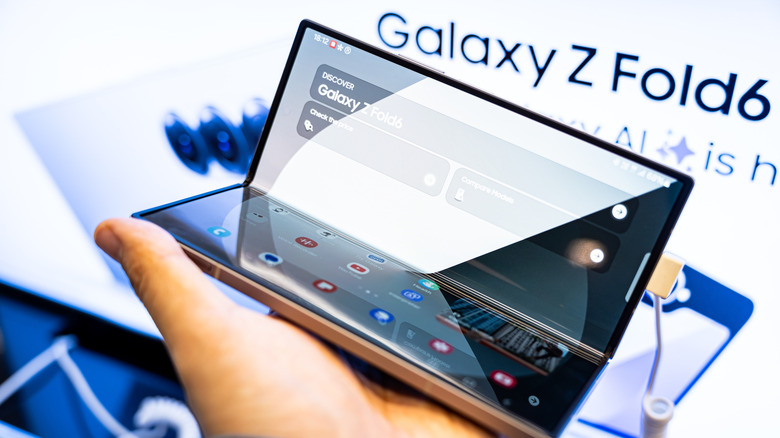
Despite being on the market for eight years now, foldable phones also remain a niche category, and low shipment volumes mean manufacturers cannot spread development and tooling costs across huge sales numbers the way they can with mainstream phones. In other words, even if the technology matures, it is still not being built at the scale needed to trigger the sharp price drops people expect from mass-market consumer electronics. This ties in with a purely business reason behind foldable prices staying high: For now, foldables are positioned as flagship products, not budget ones. Brands load them with premium processors, camera systems, and materials, then charge accordingly because early adopters are still willing to pay for the novelty and productivity benefits. Until flexible displays, hinge designs, and production volumes become much cheaper at scale, foldables are likely to remain expensive even as they get thinner, lighter, and more refined.
In some ways, the static price of foldables isn't a surprise. Traditional flagship phones have largely hovered around the same price point when adjusted for inflation, too. A base Samsung Galaxy S6 retailed at $600 in 2015, while the starting price for a Galaxy S25 in 2025 was $799. However, the value equation has shifted because mid-range phones have gotten much better, and that makes flagships feel less like the only "good" option. That said, the higher price of foldables can be more difficult to stomach when you take into account that many owners say they don't last as long as traditional flagships.