

Florida's Dumped Food Waste Is Having An Unexpected Effect In The Gulf Of Mexico
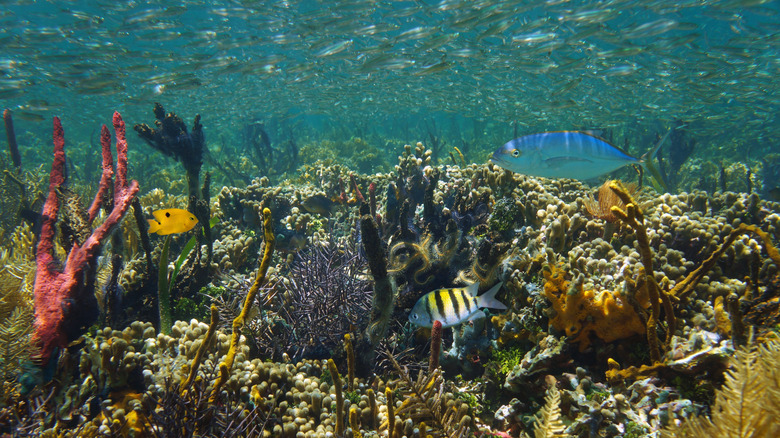
Throwing trash into the ocean is normally seen as harmful, and for good reasons. After all, pollution is a major cause of habitat loss, and plastic waste is ruining the oceans, as things like six-pack rings and drinking straws have detrimental effects on sea creatures. That's why an experiment involving dumping food waste into the Gulf of Mexico may sound like a bad idea, but it's actually had a surprisingly positive impact on marine life and biodiversity.
As reported by Upworthy, researchers dumped over 500,000 oyster and clam shells into the Gulf of Mexico in Florida between 2007 and 2024 in an attempt to restore an ecosystem that has been ravaged by extreme storms worsened by climate change and the 2010 Deepwater Horizon oil spill that dumped hundreds of millions of gallons of oil and chemicals into the ocean. The project was not without controversy, as many worried it would end up causing additional harm. Nearly 20 years after the start of the experiment, though, the results are undeniably positive. The shells created oyster reefs that have allowed underwater populations to grow to levels that haven't been seen in decades.
How dumped oyster and clam shells are healing the ocean
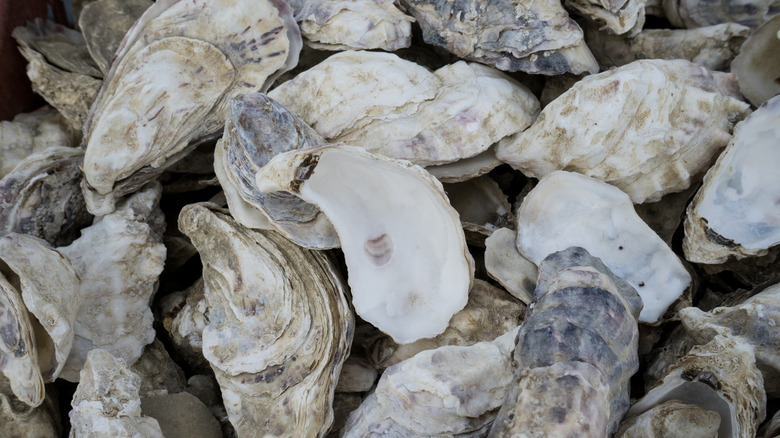
While it didn't seem effective at first, as with many things, nature takes time to heal. What the researcher couldn't see was that the shells — obtained from restaurants and seafood plants — were attracting microorganisms. These covered the shells in what's called a biofilm, which is created when bacteria, algae, and single-celled organisms latch onto a surface. Disintegrating shells also release calcium, creating smaller areas where certain organisms can survive. Finally, the shells themselves became a place for baby oysters to latch and grow.
This is all significant because oysters play an important role in underwater ecosystems by creating ocean reefs that then become home to fish, crustaceans, and all manners of marine life. A single oyster can also filter 50 gallons of water a day, making the surrounding water cleaner for other sea life, including underwater plants, to flourish. They also provide natural protection from storms and can even mitigate waves and floods.
Scientists estimate that 90% of oyster reefs have been lost, so restoration efforts like this are vital. When oysters thrive, so does everything else, so as a result of the shells, populations for creatures like turtles and dolphins have grown to levels not seen in over a quarter of a century. Ocean life within the Gulf of Mexico is being restored in a way that makes it pretty clear that the place for the shells left behind after your seafood dinner isn't the trash — it's the ocean.
Addressing habitat loss requires creative solutions
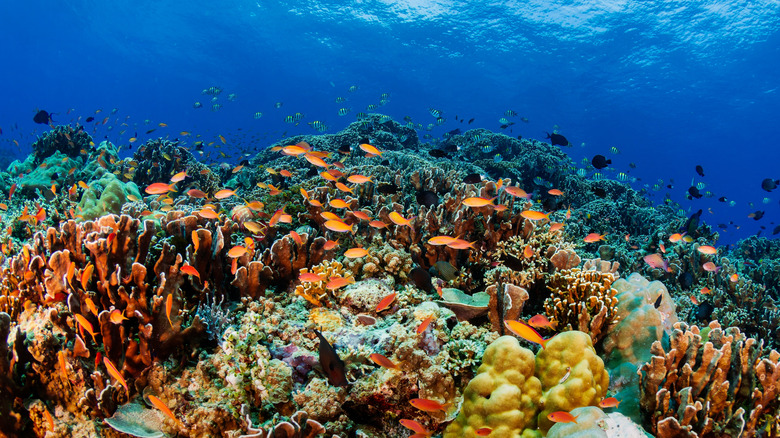
Since the results out of Florida were so positive, it's no surprise that other places have taken note and pursued their own oyster reef restoration projects. That includes other parts of the Gulf Coast like Mississippi and Alabama, as well as Maryland and Virginia's Chesapeake Bay. The latter, a collaboration between the National Oceanic and Atmospheric Administration (NOAA) and the Chesapeake Bay Program, has restored nearly 2,000 acres of oyster reefs, adding to the approximately 500 acres that were already there before the project got underway.
This isn't the only creative method scientists have devised to promote biodiversity and protect ocean life. In the Netherlands, researchers installed underwater Biohuts beneath a floating solar farm in the hopes that they could serve as shelter or a food source for marine life. Since the study began in 2020, the Biohuts have grown into a functioning ecosystem for microorganisms, as well as hundreds of fish and thousands of invertebrates. Underwater speakers have also been shown to help dying coral reefs by attracting fish to help restore the area.
Other innovations like eco-friendly six-pack rings developed by Saltwater Brewery in southern Florida could also play a key role in protecting birds, turtles, and other sea life. Made of barley and wheat byproducts left behind from brewing beer, these six-pack rings are biodegradable and edible so they can feed animals instead of hurting them. Addressing the impacts of climate change and human activity is going to require a lot of effort, so clever ideas that give a new purpose to waste we'd normally toss are more than welcome.