

4 Common Mistakes People Make When Buying A Subwoofer
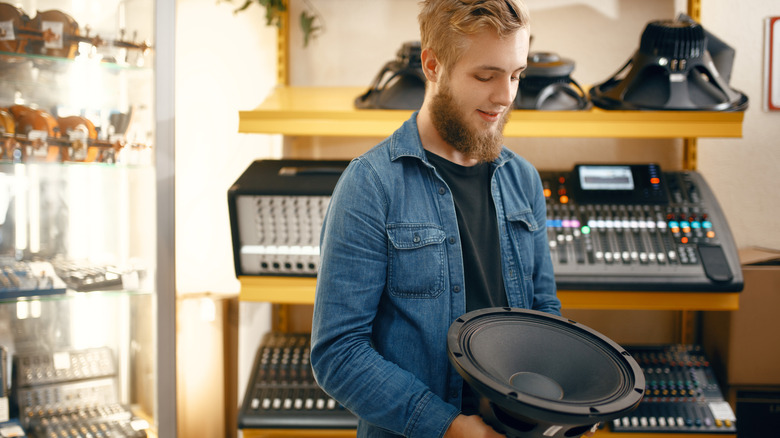
Whether you're looking to put together one of the best home theater systems or need to create a speaker system for your music collection that will be the envy of everyone you know, finding the right subwoofer does a lot of the heavy lifting. A subwoofer is a speaker focusing on low-frequency sounds, such as bass instruments in music or key sound effects in a movie. The subwoofer often creates vibrations you can feel throughout your body.
If you want a great audio setup, but you aren't sure what you should be looking for in a subwoofer, a good starting point is avoiding common mistakes people make when buying this type of speaker. For starters, don't assume that because subwoofers play low-frequency audio that theyre all basically alike. The best ones will create sounds you can feel but that don't sound muddy or distorted.
Another common error occurs when people believe they'll just need to buy one subwoofer. However, if you have multiple seating areas in a room, you may need two or more units. Always pay attention to the size of the subwoofer you're going to buy, as bigger isn't always the right choice (or necessary) for your setup. Finally, people who only focus on a brand of subwoofer that matches their other speakers are committing a common error, as matching brands isn't required.
Not focusing on the subwoofer's build quality
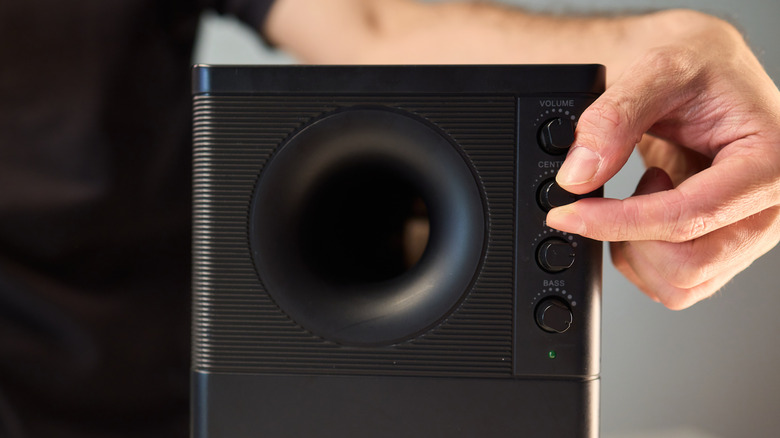
One of the easiest ways to get the best audio out of your subwoofer is purchasing a high-quality product. It's a common error to assume that all subwoofers will create the same basic bass sounds, or that because most music consists of higher-frequency sounds that the subwoofer's accuracy isn't as important to the overall audio experience.
To avoid making this error, start by considering the subwoofer's wattage, measured in RMS (short for Root Mean Square). The RMS rating measures the subwoofer's continuous power capability. The more power that your subwoofer can deliver, the louder it can play and the better precision and accuracy it'll offer in the lowest-frequency sounds it plays.
Another key factor that plays a role in the quality of the subwoofer is the deepest tones it can reproduce. It's a mistake to select a unit that can't approach the lowest sounds that humans can hear, which is about 20Hz. High-quality home-theater subwoofers that can play frequencies below 20Hz (infrasound) will allow you to "feel" those sounds through the vibrations they generate in your body.
Not determining their seating layout before buying
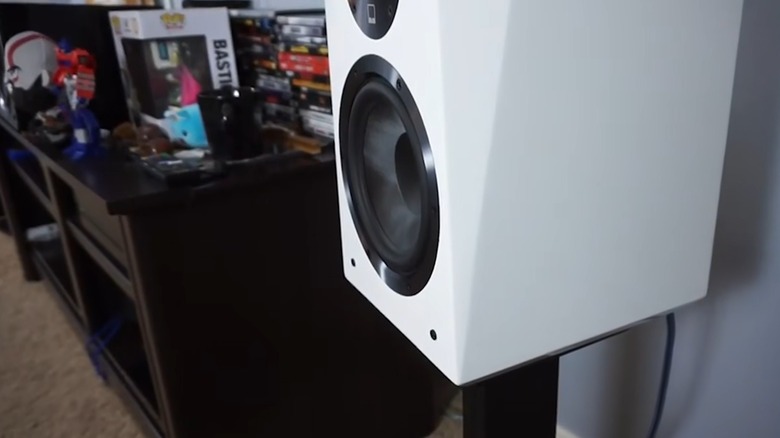
One common mistake people make when buying a subwoofer is assuming they only need one. If you have a room with seating spread throughout, or a larger room, having a single subwoofer may leave certain areas or spots with reduced audio quality.
While shopping, think about the layout of your room. If it's symmetrical, you'll often receive better results from using two units. You could place the pair in opposite corners of the room or near adjacent corners at the front.
Before you go shopping for a second unit, though, you may want to run your system with one subwoofer. Sit in the center of the room and assess the bass quality. Then walk around the room and test different seating areas to decide whether any of them have reduced bass performance. If so, consider a dual subwoofer setup. When deciding where to put them, you can use the same test. However, deciding the best spot for both subwoofers can be challenging, which is why using one subwoofer for a while is a good idea before spending the money on a second one.
Buying a subwoofer that's too big
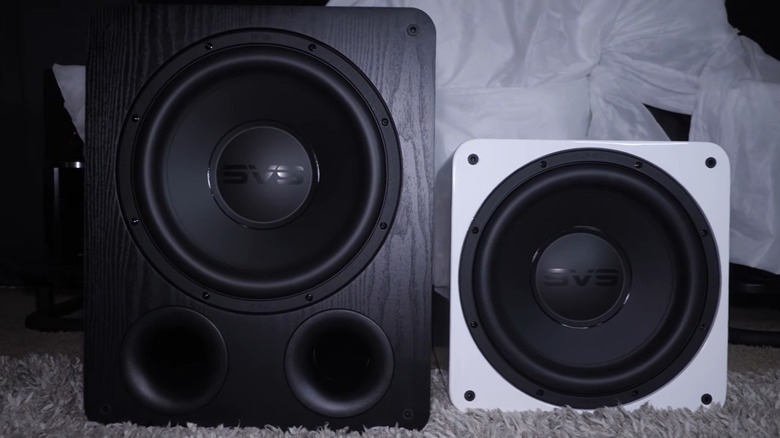
Subwoofers are available in several different sizes, often ranging from 3 to 15 inches in diameter. Typically, a unit that has a larger size and surface area can generate deeper and bigger sounds. Based on this, it may seem like a subwoofer can't be too large when you're seeking the highest-quality bass. However, it's important to match its size to your room and needs. If you purchase a huge subwoofer (and spend more), but never come close to requiring its maximum sound output, you've probably wasted money.
Determining the best subwoofer size for your home audio system starts by considering the sizes of your other speakers. If you have smaller speakers already in place, a small-to-medium-sized subwoofer will probably do the job.
For people with larger speakers or those trying to move audio across a large, open room, a larger subwoofer should be appropriate. You may also need a larger subwoofer if you're setting up your system in a room with taller-than-average ceilings.
Only considering a matching brand
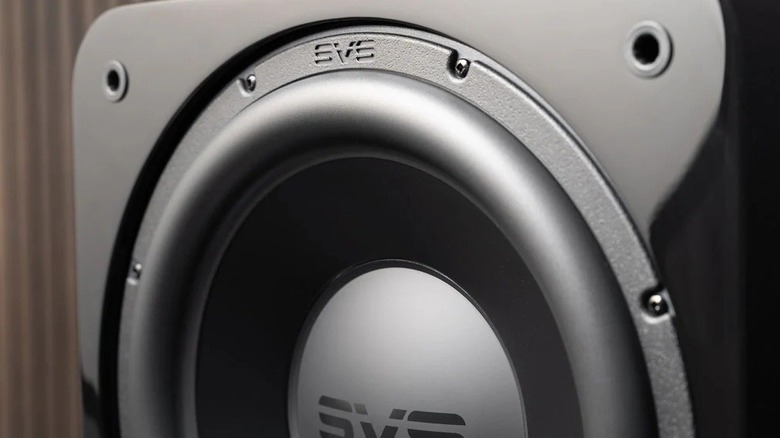
If you already have a set of speakers in place before adding a subwoofer, it's an error to believe that you must match the brand of speakers. Focus on purchasing the highest-quality subwoofer you can afford to pair with your existing speakers, rather than limiting your choices to a matching brand.
When selecting the other speakers in the system, however, you should stick to a single brand. Manufacturers and designers give their branded speakers specific sound characteristics, meaning you may be able to discern subtle differences that match your personal preferences. The subwoofer's sound, meanwhile, is more dependent on finding a unit that will fit your room's size and shape, rather than focusing on the brand. You also want a subwoofer that can produce the lowest frequencies accurately, regardless of whether its brand matches your other speakers.
If you're going to use two or more subwoofers in your at-home speaker system, you could even use different brands in the pair. It's more important to focus on selecting subwoofers that have similar sizes and characteristics to give you consistent sound overall.