

The Smartphone Accessory Most Users Should Skip
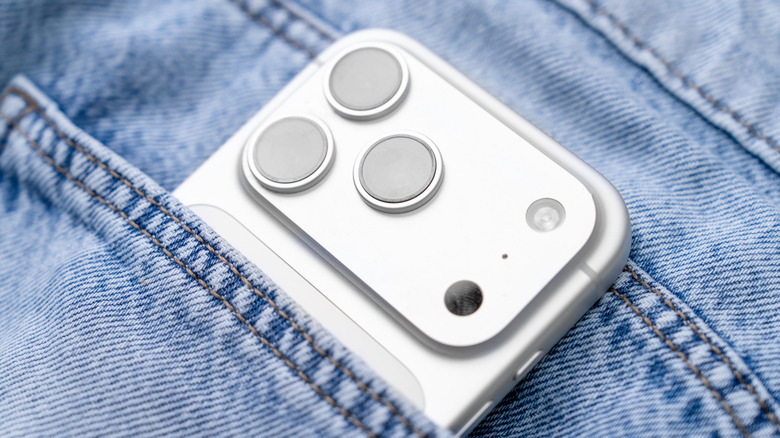
Alongside genuinely useful smartphone accessories for international travel, or these Android essentials, camera lens protectors are heavily marketed as must-have add-ons. In reality, though, they're one of the most unnecessary accessories for most users. First off, smartphone manufacturers already design camera lenses with durability in mind. Apple, Samsung, and many others use tempered Gorilla glass or sapphire crystal layers that are significantly more scratch-resistant than standard display glass. These materials are built to handle everyday abuse without glare or degrading image quality. In other words, unless you're regularly exposing your phone to abrasive materials like sand or metal shavings, or live in a particularly rugged or sandy environment, lens damage is relatively uncommon.
The bigger issue is that third-party lens protectors often compromise the very thing they're meant to preserve: image quality. Lower-grade glass or plastic can introduce glare, reduce sharpness, and interfere with features like night mode or lidar-based focusing. Even slight optical distortion becomes noticeable on high-end sensors, especially in low-light or high-contrast scenes, and there are a lot better alternatives to protect your smartphone camera.
How you should protect your smartphone camera lens
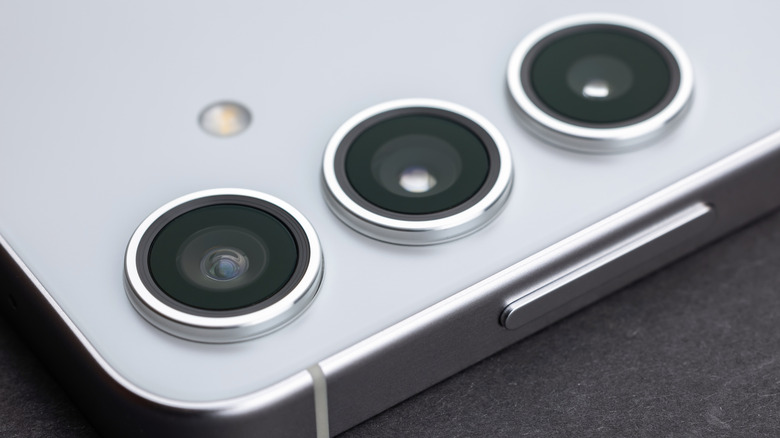
If you're concerned about long-term durability, there are more effective strategies than sticking a layer of glass over your lenses. Start with a well-designed case. Many modern cases are engineered with reinforced corners and slightly elevated camera rings, which keep lenses from touching surfaces when placed face-up or face-down. This alone mitigates most day-to-day risks. Routine maintenance also matters more than most people realize. Dust and debris can accumulate around camera modules, especially on phones with large sensor bumps. Periodically wiping the area with a microfiber cloth prevents particles from causing micro-abrasions over time. It's a simple habit that preserves both clarity and longevity without introducing optical interference.
For users in harsher environments, a pouch or holster can provide an extra layer of protection when the phone isn't in use. This is far more effective than a lens protector, which does little against impact damage or fine particles like sand, which can still work their way underneath adhesive covers and cause more damage than no protector at all. Finally, simply being mindful of where you place your phone and avoiding rough surfaces like concrete or gritty tables goes a long way as well.
Ultimately, camera lens protectors offer limited real-world benefits while introducing tangible downsides. Between built-in durability, thoughtful case design, and a bit of everyday awareness, most users can keep their smartphone cameras in excellent condition without sacrificing image quality. Skipping this accessory isn't just about saving money, it's about preserving the performance you paid for. You'd be better off spending your money on these 60s nostalgia accessories for your smartphone.