

Why Do Smartwatches Have Different Features Internationally Even When Bought In The US?

In 2025, Samsung announced that its sleep apnea feature on a variety of Galaxy Watch devices would soon be available globally, expanding to over 34 new markets with a software update. In 2024, nearly a year prior, the feature received FDA approval in the United States, allowing it to be activated and used here much earlier. This discrepancy may seem odd — why would a particular feature be available in a few countries and not others? The answer has a lot to do with the classification of each device and the approvals needed to offer accurate and reliable features, depending on the country in question. A smartwatch that connects to your phone, tells the time, and tracks your calendar appointments is really just that: a smart watch. But once you start adding health and medical functions, it becomes something more.
In the United States, the Food & Drug Administration (FDA) regulates medical devices and products. The primary goal is to ensure that they're safe for everyone, are accurate, and work properly. If a heart monitor presumes to tell you how your heart is acting, or a sleep apnea monitor promises to alert you to conditional events, well, they better do that or else something could go awry. The FDA basically makes sure that's what happens and that the devices are on the up and up. So, smartwatches or fitness trackers with medical functions are regulated, sometimes even for specific features like Samsung's sleep apnea tools.
In other countries, the approval process may be different, or the governing body responsible for approvals may have unique requirements. This can result in a delayed approval for various features and functions.
Why limit the approved features in other countries?
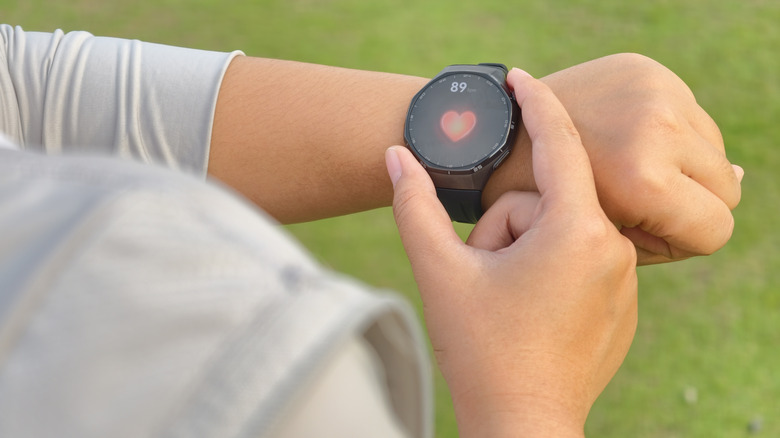
Generally, smartwatch manufacturers make the same devices, with similar or identical hardware, for all markets, because the internal hardware is integrated. This is different from smartphones, where international Google Pixel models are different than American ones, because they're built differently. With smartwatches, the same advanced sensors, components, and latent functionality are typically available everywhere, regardless of whether it can be used or not. The sensors used to track heart rate or blood oxygen, for example, would be built into every model, internationally speaking. But if a particular country, say the U.S., has yet to approve a new feature for use on the market, the smartwatch maker will simply program around access to the feature in the device — like Samsung did with the sleep apnea tech. The ability to use the hardware is still there, the software and feature access are simply not available to everyone.
All of that explains how features may not be available in a country or region but doesn't explicitly give the why. Regulatory approval is the core reason. But to that end, it isn't really efficient to manufacture unique devices for minor hardware adjustments in varying markets, so the feature is disabled or inaccessible where approval has yet to be administered. Manufacturers don't wait to release devices until they get approval for a feature because they want to make a profit, and there's no telling how long the approval process could take.
Sometimes, regulations aren't the only hurdle. There are also instances when a feature may be unavailable in another country because of something else, such as a patent dispute or limited connectivity.
What are some examples of features unavailable in other countries?
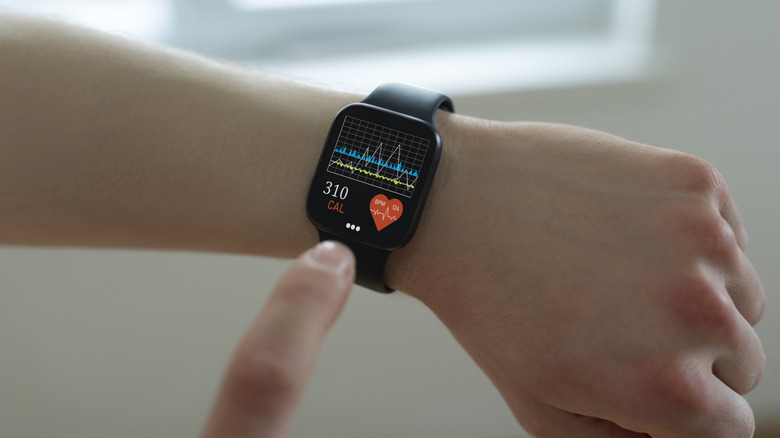
Advanced health monitoring is a big hang-up for many countries, and it's fairly easy to understand why. Governing bodies want to make sure the features are appropriately safe. This could include restricting functions like ECG use, blood oxygen monitoring or SpO2 sensors, and beyond. Apps like Samsung's Health Monitor and any related wearable functions have similar restrictions.
The FDA is currently revising guidance and policies around Apple's new blood pressure tech, which may completely alter or transform how its used on Apple Watches in the future. Some brands are more proactive about seeking technology approvals, and that's likely why Samsung Galaxy Watches have exclusive features, for example.
However, non-medical functions can be limited in certain regions, too. For example, contactless payments are not available everywhere. That's due to both the availability of the technology and regulations having to do with payment solutions. Moreover, smartwatches with cellular connectivity aren't available for use in all regions, as not all wireless carriers support international roaming for these devices. That makes it all the more important to pay attention to what you're getting when you shop for wearables and smartwatches, especially if you're ordering from somewhere outside of your home country. There are a handful of Chinese smartwatches that can compare to the Apple Watch, after all.