

Should You Put A Screen Protector On A Foldable Phone?
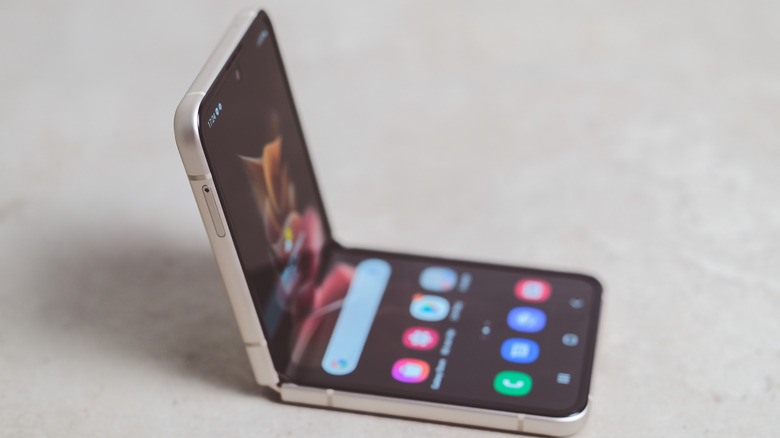
Foldable phones offer incredible flexibility compared to standard phones. Their screens fold into a pocketable device, but open into something that often functions almost like a tablet. The best foldable phones may seem futuristic and fun, but they also have an inner display that has to withstand being flexed thousands of times. That design tradeoff renders it more delicate by design; it's a key factor in how long foldable phones can be expected to last.
Most foldables already ship with a factory-applied protective film on the main screen, and Samsung's guidance is to leave that layer alone. The inside screens on most foldable phones are made of flexible OLED layers, with plastic substrate layers such as polyimide surrounding the screen. The built-in specialized flexible film from the factory is one of several features exclusive to foldables. Adding a second protector on top of the inner screen could create extra thickness and interfere with the fold anyway, in addition to potentially causing damage.
The outer display, meanwhile, is designed for when the fold is closed, so it behaves more like a normal smartphone screen. Many people add tempered-glass protectors to their everyday smartphones, and adding one for that external display on a foldable makes sense too, especially if your phone often rides in a bag or pocket with keys.
What foldable owners should do
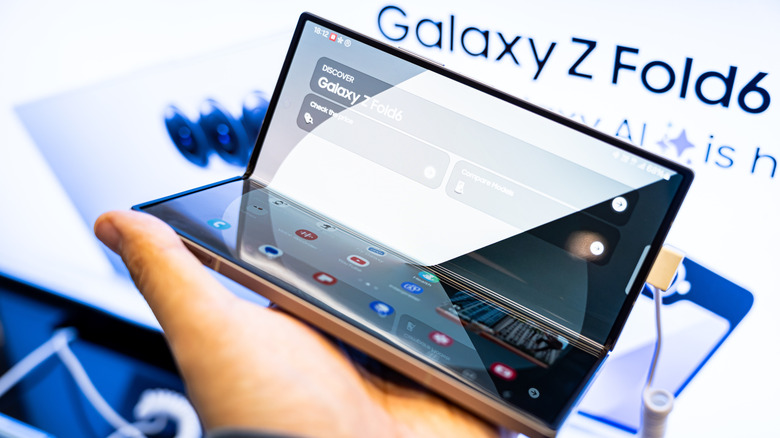
Issues with the built-in screen protector have existed since day one with foldables: Samsung actually delayed its first-generation foldable just days before its launch in 2019 because reviewers wrongly thought they could peel the protector off and ended up breaking the screens instead. Luckily, companies have learned from those initial struggles, and now some of the screen protectors that ship with foldables today are replaceable through the manufacturer.
Replacement policies and prices may vary, but it's better than attempting a risky DIY fix. Android Authority attempted to replace a foldable's screen protector and was successful, but the writer warned that the danger of breaking the screen or messing it up is high. They instead recommended having an expert technician do the job.
If you have a foldable whose internal screen's film starts to bubble, peel, or lift at the crease, you should get it addressed quickly. Trapped dust or debris can scratch the display underneath, or even break it.