

Morning Vs. Afternoon: What Time Of Day Is Best For Solar Panels?
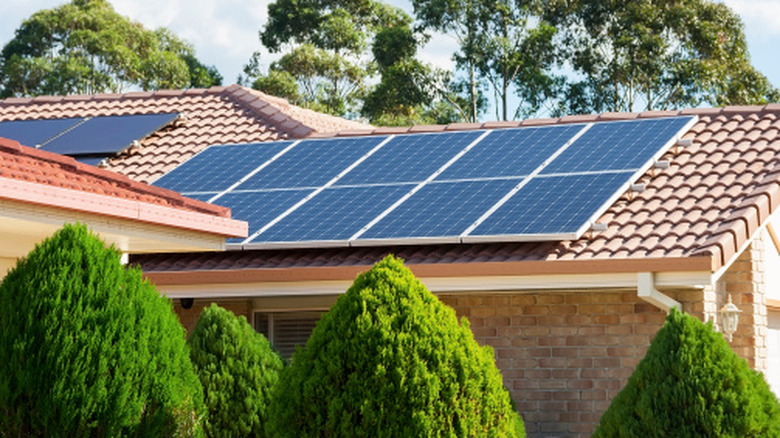
A lot of households are investing in solar power because it helps them save money on their power bill, doesn't require tons of maintenance, and solar panels can last a long time with proper care. However, if you are still thinking about installing solar panels and want to ensure that the expected placement of the panels will get enough sunlight, figuring out which time is best for solar panels is a good idea. Between 10 a.m. and 4 p.m. is typically when your solar panels generate the most electricity, so the afternoon wins by a hair.
This is important because in many houses, some parts of the roof get better sunlight in the morning, whereas afternoon sun shines better on the others, as the sun's position is not stationary in the sky because of Earth's rotation. Depending on which parts of your roof are getting the most sun during late morning and afternoon, you can decide on the exact placement and get the most out of your solar installation. However, this is not the only reason why the timing of most solar power generation matters.
You can reduce your grid power usage
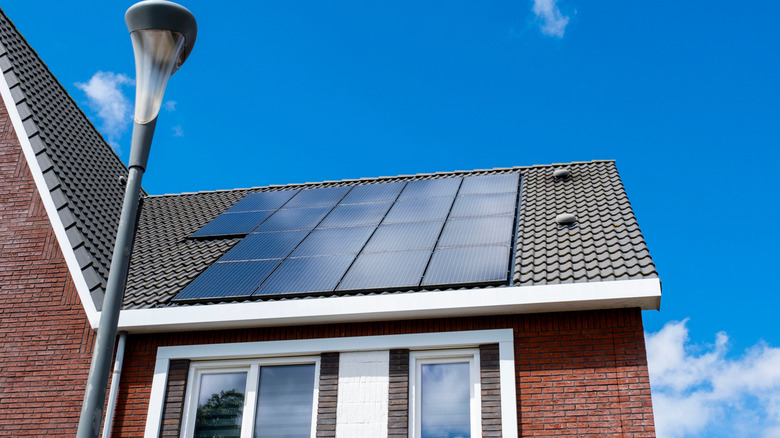
In a grid-tied system, the power generated by your solar panels is first used to meet any electricity requirements of your home. This means whatever you are running when the sun is up, you'll use the electricity generated by your own solar panels. However, if your home's power requirements are not met by solar generation itself, grid power is also used. Similarly, when you aren't using much solar power and there is excess generation, it's sent to the grid.
This doesn't typically matter if you live in a place where your utility company offers the traditional 1:1 net metering: If you send 10 units of solar power to the grid from your system and use 10 units from the grid, it basically cancels out. However, several U.S. states have moved away from this and offer "net billing", in which they pay reduced "avoided cost" rates in exchange for the power generated by your solar panels and sent to the grid. Essentially, you get less for solar power and get charged more for the grid power. This makes it sensible to use more of your solar power than the grid power, even if you have to slightly rearrange your schedule of using appliances that use the most power.
Basically, try to use your electrical appliances (whichever can be helped) when your solar system is producing the most power. For example, try to run your laundry load between 10 a.m. and 4 p.m. rather than in the evening, when grid power typically costs the most and your solar panels are generating little or no power.