

How Many Smartwatches Is Too Many?
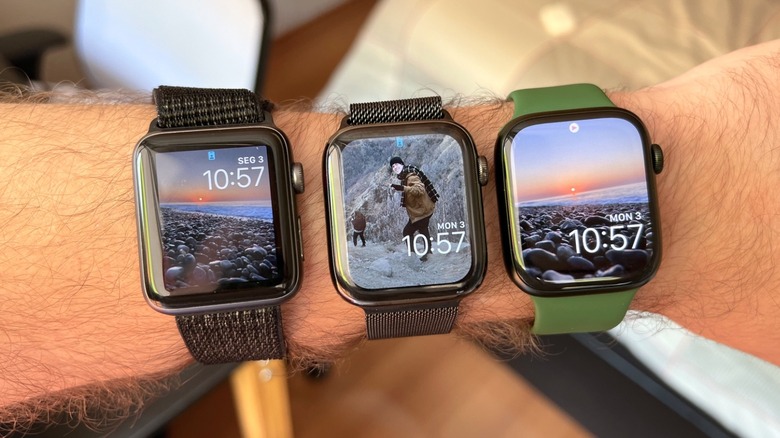
If you're asking this question, you probably have too many smartwatches. Jokes aside, there is a convention of three watches, which marks the sweet spot: One for daily flow, one for strain and sweat, and one for special occasions. However, it doesn't necessarily mean you should have the excellent Apple Watch Series 11, an Apple Watch Ultra, and a Samsung Galaxy Watch. A good setup is to have one smartwatch for everyday use — working out, checking health metrics, and sleeping –and two regular watches for casual and fancy occasions.
As an owner of an Apple Watch with all its unique features, I realized there's a fine (but clear) line of when using my smartwatch is super cool or too nerdy. If I'm in a press conference, at the gym, or running errands, it goes well with everything. When going out to lunch with friends on the weekend, a casual, regular watch makes my choice of wearable more intentional. At night, going to a party, or for a more formal occasion, I'll have an elegant watch with a Milanese loop, for example.
While the ideal combination varies from person to person, and an Apple Watch can be customized with band options, this is all about your vibe and what you want to communicate on the go. Personally, I find that wearing a smartwatch is not ideal around friends because if I'm checking every notification, it may seem like I want to be somewhere else.
Should you wear different smartwatches throughout the day?
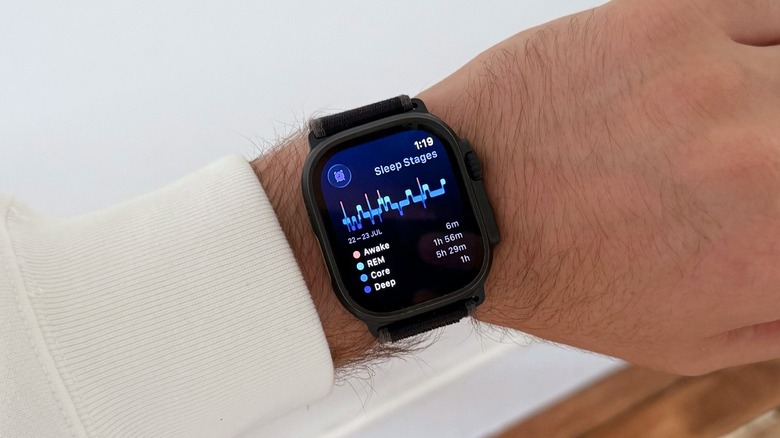
If you just want a functional tool to track your life, swapping watches during the day is unnecessary. A single smartwatch — especially when swapped with different bands — can carry you from morning workouts to the office. For tech enthusiasts and collectors, though, the idea of rotating multiple smartwatches may sound tempting. Ecosystems like Apple allow you to pair more than one device to your phone, making it easy to think you need a rugged Ultra for running and a smaller, sleeker model for the rest of the day.
In practice, however, swapping between smartwatches creates more work, as you end up in a constant loop of managing battery levels and sync setups. Plus, moving from one screen to another makes it hard to disconnect. Having multiple smartwatches usually just means having duplicate tech. If you want to expand what you wear, the move isn't adding a second smartwatch. It's keeping one for your health and daily driver tasks, and letting classic, analog watches step in when you want to look intentional, elevate your style, or simply take a break from being connected.
It's all about the vibes
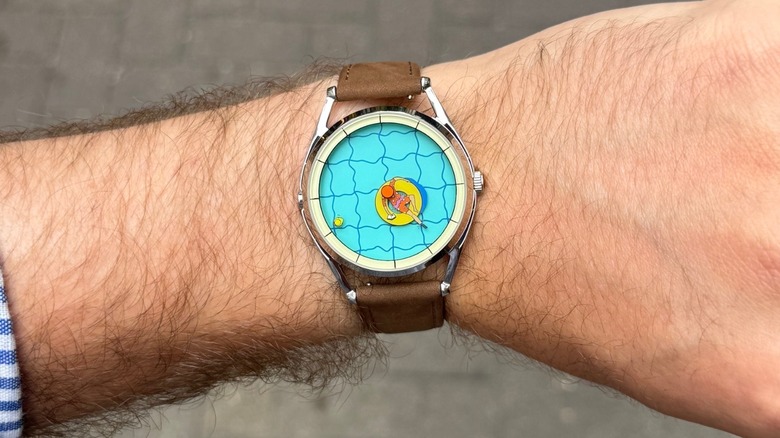
At the end of the day, how many watches you own and how often you wear a smartwatch isn't about following arbitrary horological rules. It really comes down to your personal vibe. For me, owning one smartwatch and two analog watches works, as I only need to worry about charging and updating the smart unit, while the others offer a break from technology. My Apple Watch with its runner-friendly features allows me to exercise, get through a long day of work — with all those notifications — and check my health metrics before bed.
Switching to a casual, regular watch puts me in rest mode, while bringing out my non-tech personality. Besides that, a fun watch model can be a good conversation starter. That said, you don't need a drawer full of gadgets to make this work. You just need a clear idea of what each watch does for your daily flow, and an understanding that when you stop relying on constant health and social media tracking, you might just enjoy that watch even more.