

3 Streaming Devices With The Longest Software Support
We may receive a commission on purchases made from links.
Thanks to shortages of RAM and storage as well as AI data centers, many items you use every day have skyrocketed in price, and it looks like they are only going to be rising more in the near future. Streaming devices, for example, are seeing an uptick in cost across the board, with Roku raising prices by 60% and Apple raising prices on the Apple TV 4K. Rather than wait for newer and costlier devices to hit the market as it continues to adjust to the global RAM and storage shortages, there's no better time to buy a streaming device than right now. So why not secure yourself a box that offers the longest software support possible to get the most out of your expenditure?
There are a handful of choices that offer long term software support, ensuring you can weather the RAMpocolyse while snagging yourself a streaming device for your living room or bedroom before prices rise further. No matter if you're an Android diehard, prefer the comfort of Apple's clean ad-free tvOS, or are already invested in the simplicity of Roku's premium channels, we've rounded up three streaming devices that offer the longest software support in the industry.
Nvidia Shield TV Pro
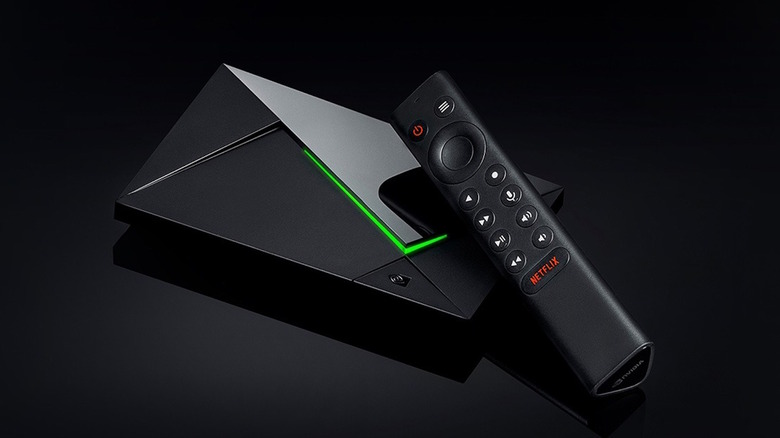
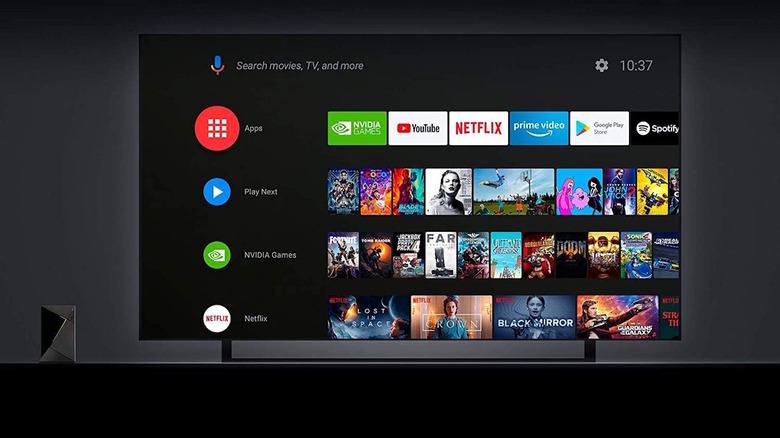
The original Nvidia Shield TV landed in 2015, and the streaming box is still being supporting today, which is unheard of in Android land. No other streaming device still being sold has had support for this long, and this unmatched factory backing has ensured that the Nvidia Shield TV line is a fan-favorite Android TV box. There's also the refreshed Pro model that released in 2019, which updated the chip to one that AI-upscales content on the fly, and just like the 2015 model, the newer Shield TV Pro is still supported (as is the discontinued tube Shield). In addition to its continued software support, the open OS can be modified to remove its overaggressive advertising.
Since Google has filled its busily animated UI with ads, wasting the limited RAM, this is the primary downside of the $199 4K HDR streaming device, which offers only 3 GB of RAM. Thankfully, the community offers a fix by swapping Google's Android TV launcher to a third party, like Projectivy or FLauncher. So, if you like to tinker, you can be highly rewarded by choosing a streaming device that runs Android, like the Nvidia Shield TV Pro. Nothing beats its support, and thanks to two USB 3.0 ports, you can spin up a media center through supported apps like Kodi, Jellyfin, and Plex. After all, there are plenty of essential apps to download on your Shield TV Pro.
Apple TV 4K
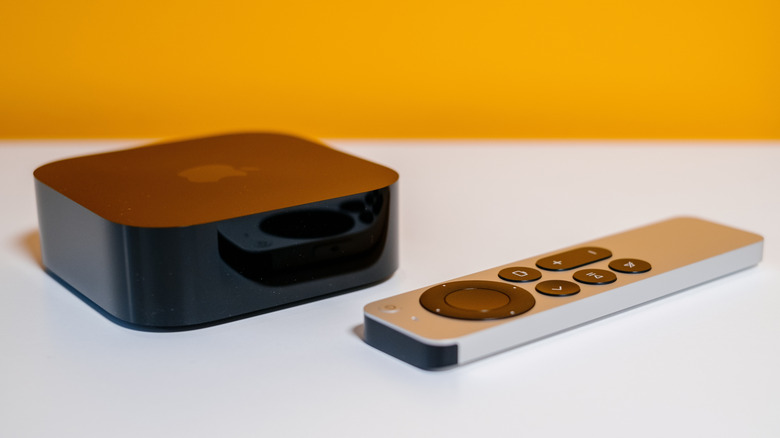
Apple released its latest Apple TV 4K four years ago, and support for this device is expected for at least four or five more years. The current Apple TV 4K is available at $199 for its 64 GB model that packs 4 GB of RAM, matching the cost of the Shield TV, while gaining access to a much more performant chip. Plus, there are no ads to be seen; unlike the Shield, Apple offers a clean, user-friendly interface. Apple even offers upscaling with the TV 4K, but it's linear and not AI-driven, so it's actually more accurate than Nvidia's AI upscaled HD content. However, you will notice a difference when upscaling SD content; with so few pixels to work with, Apple's implementation isn't as sharp as Nvidia's AI that can fill in these gaps.
At the end of the day, if there is one streaming box that can almost go toe-to-toe with the Nvidia Shield TV, it's the newer Apple TV 4K, though there are a few disadvantages of buying an Apple TV. Storage is fixed, and while there are models that reach up to 128 GB, that's pretty low, especially when the TV 4K doesn't offer any expandable ports, leaving a NAS as your only option for expansion. The Apple TV 4K shines brightest as a dedicated streaming box, rather than a local media player, with plenty more years of support expected.
Roku Ultra
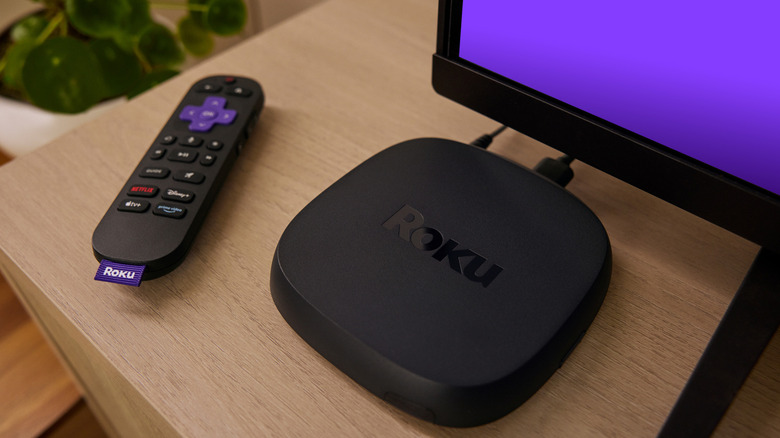
Compared to the $199 price of the Nvidia Shield and Apple TV 4K, the Roku Ultra from 2024 is the budget option here, starting under $100. Even at half the price, that doesn't mean you lose out on features or apps. This device can easily stream 4K content, and it even offers a snappy grid-based interface that caches apps to keep them readily available without eating through its 2 GB of RAM. Storage is limited at 4 GB, enough to house all of your favorite apps, but little else. The good news is that there's a single USB 3.0 port so you can access external media, but strangely you can't use an external drive for OS storage.
Unlike the Shield, Roku uses a proprietary firmware so you can't remove the device's ads, but this subsidization is how the company keeps its hardware costs down. As for support, much like Apple, Roku does not offer any hard dates. Rather, we have to judge the company on its previous support, so lengthy support is assumed with the hardware, with another seven or eight years expected for the Roku Ultra. Even better, the Roku Ultra comes out the winner even when every Roku streaming device is ranked from worst to best, by bringing the right balance of features and performance that compares rather well across competitors. Thus, the Roku Ultra is a top contender when it comes to the longest software support for streaming devices, thanks to its well-rounded and highly competitive features.