

2 Old MacOS Versions Still Supported By Apple
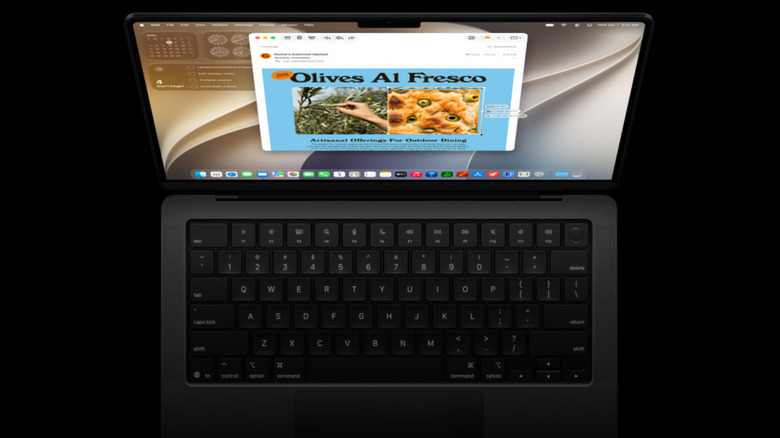
It shouldn't surprise you to know that Apple keeps things trim when it comes to supporting old versions of macOS. As of 2026, only three versions of macOS are supported by Apple with regular updates, those being: 14, Sonoma; 15, Sequoia; and 26, Tahoe. macOS 13, Ventura, saw its last security update in August 2025, and support is generally considered to have ended. As expected from the company, there are no clear announced end-of-life dates, with users expected to upgrade to the next version once it releases.
The next on the chopping block is expected to be Sonoma, which will probably follow the pattern observed by those documenting end-of-life dates, like website endoflife.date. Golden Gate is expected to launch this fall, and using the pattern of abandonment by Apple, it's expected that Sonoma will stop receiving updates next year. This would bring the total life of each version of macOS to around three years.
What look like discrepancies in the data are actually Apple fixing undisclosed security issues, like with a sudden update to a long-since-dead Catalina (15) and Big Sur (11) in 2026, to ensure users still on those platforms aren't vulnerable to malicious attacks. While Apple would love for people to ditch their old hardware, like with the final culling of all Intel devices this year, users aren't going to ditch the very expensive computer they bought relatively recently so suddenly. Keeping them protected is still important in the grand scheme of things.
Apple's longest OS support was back in '93
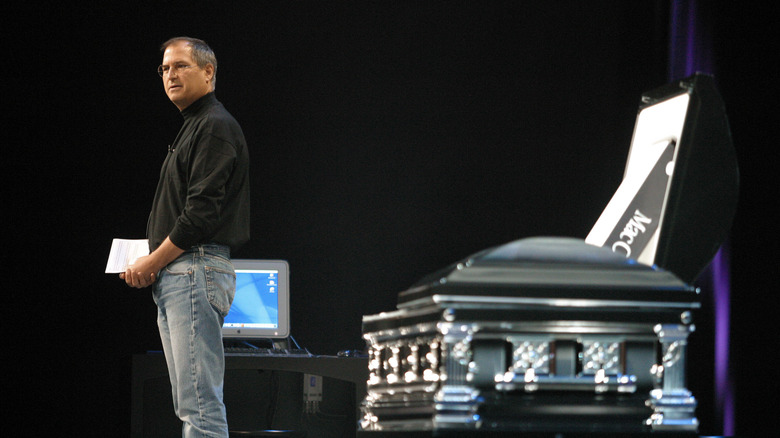
On average, Apple has only ever really given a few years of support to each operating system. The Apple II is a major outlier, in that ProDOS was released in 1983 and was supported well into 1993, coincidentally just as Apple IIs began to vanish from shelves in favor of Apple's lesser-known 1990s fare. Mac OS 9, the version prior to the jump to OS X, now macOS, was given a public funeral at WWDC 2002 by Apple co-founder Steve Jobs. Updates had stopped a year prior.
By comparison, Microsoft, being thoroughly embedded in nearly every aspect of working life, has a far wider support window for Windows. This was also the case for previous versions, but Microsoft slimmed down its operating system support with the sunsetting of Windows 10 in 2025. The company supports each Windows Update for around two years, but the overall OS is expected to live as long as previous versions, with an estimated ten-year life cycle.
Not to be outdone, Linux can have a longer tail than the above. While each release brings new additions in distributions like Ubuntu, the "LTS," or Long Term Support, provides a stable release that's updated every two years, but with five years of security updates and an extended shelf life of "Expanded Security Maintenance" into 2036 for version 26.04. Some distros, like Arch, abandon the previous version immediately upon updating due to its "rolling release" structure.