

5 Challenges You'll Face When Switching To A Minimalist Phone
We may receive a commission on purchases made from links.
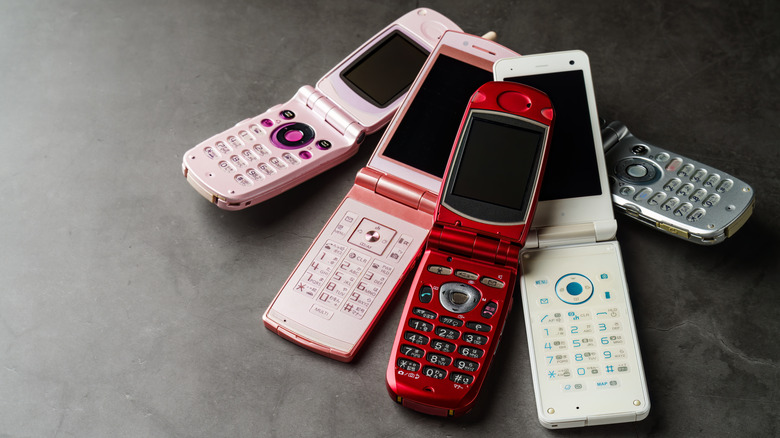
If you've been online over the last year, chances are you've seen this growing trend. From Gen Z to Millennials, people have begun to ditch their modern smartphones in favor of minimalist phones. These devices can vary greatly, but the general idea is that they lack a lot of what makes a smartphone smart. They generally only offer the basics: You get a phone, texting, some basic tools, and maybe a few dedicated applications. The idea is that by using a minimalist phone, you'll reduce your screen time and potential addiction to social media, the internet, and battle the urge to always stay connected.
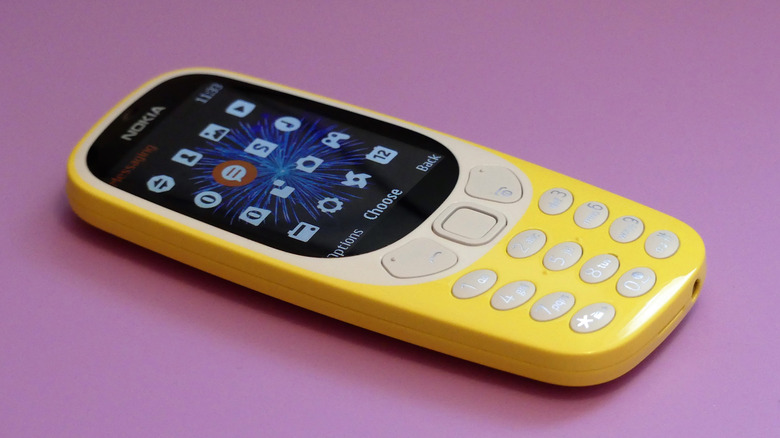
And I understand this concept well, considering that I use what would also be termed a minimalist phone. I have a Kyocera Gratina KYF42 flip phone that runs Android 10, but without Google services. Before this, I used to carry the Nokia 3210, but had to make a switch because that degree of minimalism was hard to sustain. A dearth of genuinely useful applications and not being able to create content using my phone were some of the many challenges that I faced going minimalist.
Handset options and pricing
While we are living in an age where we are starting to see options in the minimalist phone space, it wasn't all that long ago that ditching a smartphone wasn't really feasible. Your options were limited in terms of what phone would work, with many being forced to import a device from places like Japan. And doing so would also mean risking it not even working on your network.
In the past few years, we've seen numerous feature phones announced, with major brands like Nokia making a bigger push into the space. These Nokia devices are typically affordable with handsets like the Nokia 2780 Flip currently priced at $50 and the Nokia 110 at $45.
And then there are the minimalist phones that can cost as much, if not more than some recent flagships. The mudita Kompakt will cost you $399, and the upcoming Light Phone III is on pre-order for $900. For comparison, you can probably snag a used Samsung S26 Ultra for around the same price. The huge variation in pricing means it can be very confusing for those looking to make the switch.
Application availability
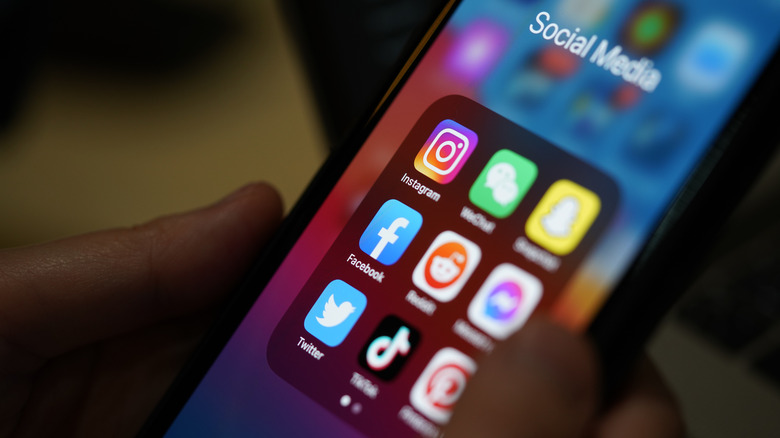
Going the minimal route means you're going to be making sacrifices. The smartphone in your pocket is a fantastic tool, one that houses a Library of Alexandria worth of information with nothing more than a few taps and swipes. But many of us have become accustomed to an endless array of apps, and that's probably why Gen Z are ditching social media.
But switching to a minimalist phone means you're also going to lose access to apps that you probably need. Nokia feature phones aren't running Android, meaning you lack access to anything on Google Play. No social media, no email services, no work apps, and no streaming of audio or video. That said, some handsets may offer limited built-in app support.
My Nokia 3210 can access YouTube and Twitter through its strange Cloudphone platform. And then there are the expensive minimalist phones that may or may not have a dedicated app store. You might be lucky to get access to Google Maps or an alternative, but each handset is essentially its own closed ecosystem. Ditching social media is great, but losing access to all apps and services might simply be too much for many.
Getting device support

Modern smartphones are limited-time devices. Eventually every single smartphone will reach its end-of-life state, depending on the manufacturer and the OS it takes advantage of. There even exist websites that track how long a smartphone is listed to be supported by its manufacturer.
My Pixel 6 Pro was discontinued in 2022, but Google will continue supporting it until late 2026. This means I know my coverage and when it's time to upgrade to a newer device to get continued support. But when it comes to a minimalist phone, you are essentially rolling the dice. The often praised Punkt MC02 from 2023 is no longer sold on Amazon, or available on the Punkt website, making it potentially difficult to get support for it.
And if you are like myself and import a Japanese minimalist phone, be prepared to be on your own. I have to figure everything out completely on my own, or hope that someone else has figured it out and posted about it on some random forum. And with older Android versions running on many minimalist devices, your use-time may be limited.
Content creation
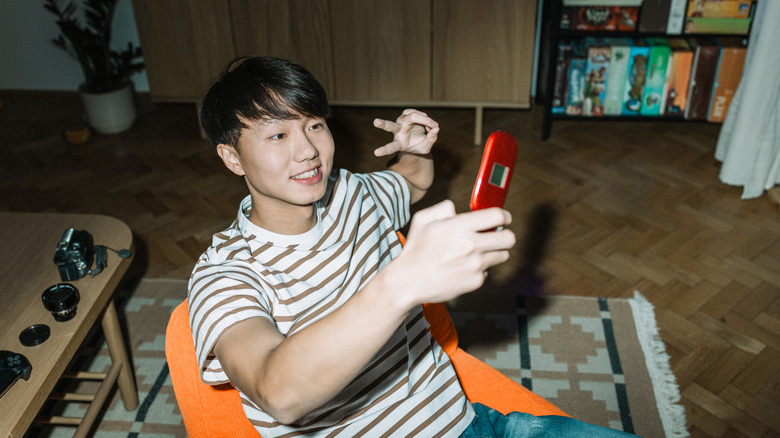
Becoming a content creator today is easier than ever. I too film and edit content for YouTube with my smartphone, and even someone like my mother is capturing photos for reference and to send to family on Facebook. She's even learned to shoot and edit quick videos of the cats whenever they are doing something cute or silly. So, while not everyone is going to be a TikTok influencer, everyone with a smartphone is creating content.
But if you go with a minimalist phone, you might run into some real issues. Many minimalist phones like the $300 Light Phone II don't even feature a camera. I personally consider this overkill as today a camera is an essential tool to capture memories, scan QR codes and documents, and also a much-needed safety tool.
And even for those minimalist phones with cameras, they are often of poor quality and clunky to use. I love my Kyocera KYF42, but its camera is pretty bad at only 8MP. It takes forever to take a photo, often leaving behind blurry images. And many would say the videos it captures are nearly unwatchable, even for reference purposes.
Hidden costs
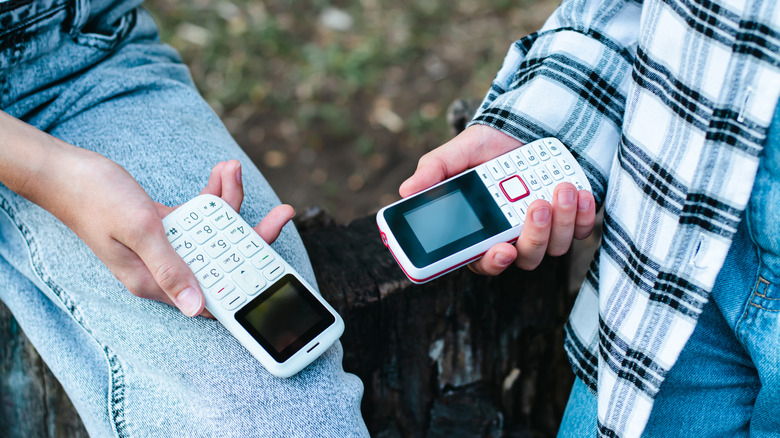
You might think that going the minimalist phone route might mean that you can also save some money in the process. That can certainly be the case with the likes of Nokia devices, but for companies that only make minimalist phones, that isn't always the case. You often pay extra for the privilege of getting less, and while that can be excused for an upstart company trying to establish itself, there are sometimes hidden costs.
A fairly popular OS for many minimalist phones is KaiOS. It features its own app store for added functionality, but it comes at a cost. With KaiOS, you will have ads forced upon you when using any third-party apps. These ads are embedded into all apps as part of company policy, and can even appear on the home screen of your device through notifications.
And then there's something like the Wisephone II, a $400 minimalist phone with a custom OS using the Samsung A16. It features no social media, no explicit content, no browser, and no email as standard. The catch is that WiseOS requires a $14.99 monthly subscription for full access on top of buying the phone and paying for service if you use your own carrier.