

Do Nothing Phones Run Stock Android?
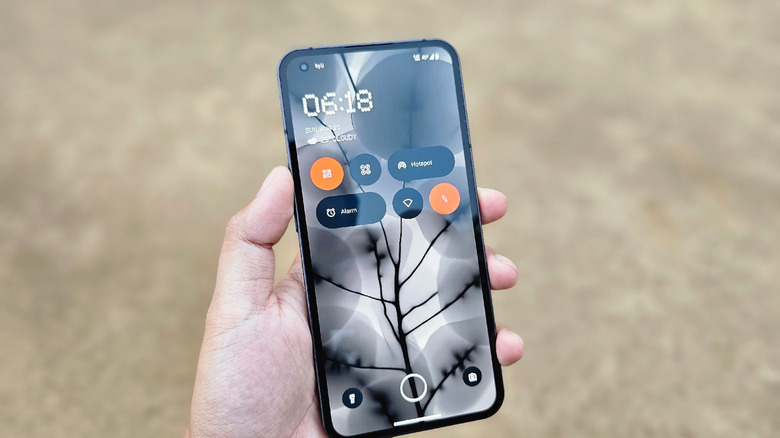
Nothing has a reputation as the phone company fighting for a simpler, cleaner version of Android. Back when the company first teased its Nothing OS for its 2022 Nothing Phone 1 launch, the company promised a smooth experience that was both fast and personalized. In the years since, Nothing has created Android-powered software and phones, including the March 2026 Nothing 4a, which our reviewer said no others can compete with at the same price. While the reviews are positive, in truth it is still running a custom version of Android, not the "stock" basic software that Google offers free to the public.
Like most Android operating systems, Nothing OS is built on the Android Open Source Project (AOSP). 2025's Nothing Phone 3 launched with software based on Android 15 until that fall, when the company announced Nothing OS 4, based on Android 16.
To be sure, Nothing OS is a departure from the software from other phone makers. Samsung, for example, created a unique look for Android called OneUI, and made it a special feature offered only with its devices. Nothing does add its own features, like Samsung does, including an icon pack, and other design choices that go beyond the initial AOSP code. It's just not as much.
Nothing OS is close but the differences are still clear
If you compare Nothing OS to what Google's initial AOSP software looks like, the difference between stock and custom UIs will get obvious fairly quickly. For example, stock Android ships without any pre-installed Google apps and no default launcher. It's also missing any of the visual flourishes people associate with a finished phone, such as page transitions, app loading transitions, and even in-depth customization options. That's all because the point of stock Android is to act as a starting point for developers.
Nothing OS, by contrast, is software designed around the Nothing Phone series. The software includes features like a fully customizable quick settings panel, the "smart drawer" that automatically sorts apps based on your usage, and even an option to choose between multiple home screen design languages.
If you prefer stock Android for a phone, one of the other closest options on the market is the Pixel series of devices from Google. While still not technically stock, the company uses its Pixel phones as a way to showcase Android capabilities. As part of that, it sticks closer to the baseline that the original Android software brings to the table.