

Who Owns Zagg, The Smartphone Accessory Brand?
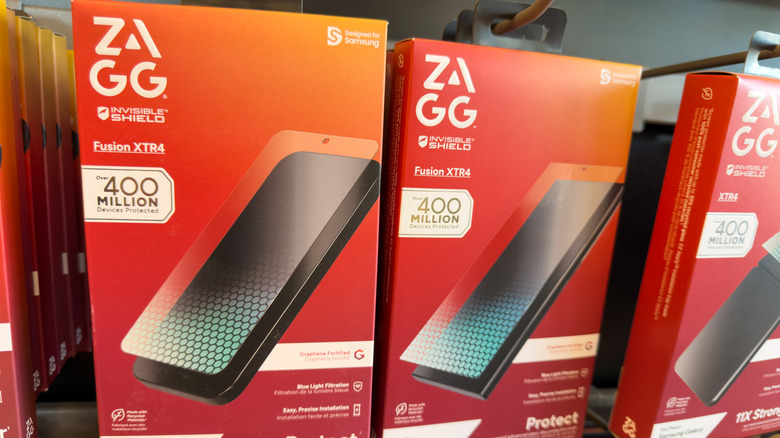
For anyone who has ever picked up a new smartphone or tablet, the name Zagg is almost definitely familiar. Born in 2005 out of a simple idea to protect the delicate screens of early portable electronics, Zagg has spent two decades cementing itself as a heavyweight in the mobile accessory space. In fact, if you walk into nearly any major electronics retailer, you'll probably see an entire section in the store dedicated to Zagg's gear.
While it originally gained recognition for its InvisibleShield line of tough screen protectors, backed by a lifetime warranty, it quickly grew beyond basic protection against display scratches. The brand expanded its lineup to cover almost every facet of the mobile lifestyle, eventually offering everything from rugged tablet keyboards to protective phone cases. Much of this expansion happened by bringing other popular names under the Zagg umbrella. Snapping up the charging brand Mophie brought premium portable battery banks and wireless chargers into the mix, while brands like iFrogz, Gear4, and Halo diversified its offerings into audio and impact-resistant accessories.
During this big growth period, Zagg was operating as a publicly traded company, trading on the Nasdaq exchange with the ticker ZAGG. It stayed up to date with the fast-paced smartphone industry, adapting its yearly accessory lineup to match the latest releases from Samsung, Google, and Apple (like anti-reflective screen protectors for your iPhone 17), when it was acquired by Evercel in 2021. That's when the corporate structure behind these products experienced a major shift, changing how the accessory giant now operates.
Evercel, Inc. and the shift to Zagg's private ownership
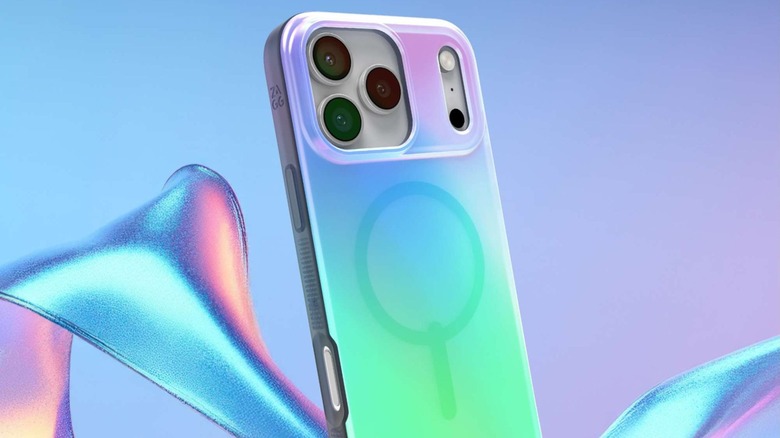
So, who actually owns Zagg today? The answer lies with a behind-the-scenes parent company. In early 2021, Zagg was officially bought by a group led by Evercel, Inc. This transaction marked a huge turning point for the smartphone accessory maker, pulling it off the public stock market and taking it completely private. The buyout deal was initially announced in late 2020 and finalized a few months later.
Evercel stepped in to guide the accessory maker into its next chapter. And rather than manufacturing the gadgets itself, Evercel just acts as a financial backer and management partner, teaming up with the brand's existing leadership to keep the business running smoothly. Despite this major corporate shakeup, the day-to-day consumer experience has remained exactly the same for its customers. Evercel (smartly) didn't wipe out the Zagg name or rebrand any of its popular product lines.
The accessory maker continues to operate under its established identity, maintaining a massive retail presence around the world. The brand still pushes out new InvisibleShield protectors, mophie chargers (which are among the best portable chargers), and Gear4 cases alongside every major smartphone launch. And by shifting to a privately-held structure under Evercel, Zagg gained the freedom to continue competing in an always-changing global electronics market without having to bow to quarterly stock market expectations.