

5 Things You Should Know Before Switching To A Standing Desk

When I decided to build a standing desk a few years ago, I was mostly following the hype around the supposed productivity and health benefits that it could offer. I'd been working online since 2015, and that meant I had spent a good deal of the past several years sitting at a desk in front of a computer. I quickly found that being able to easily switch between sitting and standing not only helped me feel more awake while working but also came with other advantages you might have seen touted over the years, like improved posture and concentration. There's also the potentially lower risk of diseases tied to issues like obesity and living a sedentary lifestyle, such as diabetes and cardiovascular disease.
While all these things look good on paper, the decision to buy or build a standing desk shouldn't be based purely on the good that it can bring. It's also important to take note of all the disadvantages they bring to the table. Because while the health benefits are real, there are also some negatives that you will want to be aware of so you can properly manage how long you stand at your desk every day. Whether you're working from an office in a corporate building or your home office, having clear expectations before you get your own standing desk is important to ensure you get the most value from your decision.
You can burn more calories, but the difference isn't huge
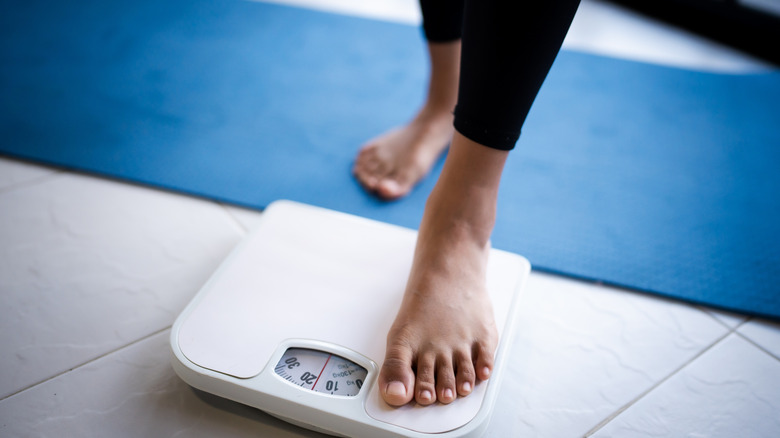
One of the biggest pros for standing desks I've seen over the years is that using one can help you burn more calories, an important health benefit for those of us who spend a lot of time at our desks. And while the effect here is very real, you do indeed burn some additional calories when adding in moments of standing during your workday, the overall benefit isn't anything drastic enough to warrant buying a standing desk just for it.
That's because while you do burn calories, a review of several related studies led by the European Journal of Preventive Cardiology found that across more than 1100 participants and 46 studies, a person weighing an average of 65 kg (roughly 143 pounds) would only spend an extra 54 calories a day if they stood for six hours instead of sitting down for that same amount of time. This doesn't mean that you shouldn't care about the extra calories, of course. Any additional fat you can burn in a day is a good push toward an overall healthier life. However, it shouldn't be the only reason you decide to turn to a standing desk, especially when you could add in something like an under-desk bike to burn any extra calories more effectively while you work.
Of course, it's entirely possible that this amount could change depending on how much you weigh and even how long you stand for. However, there are other considerations to keep in mind before you pull the trigger on this massive lifestyle change.
A standing desk can reduce sitting time, but standing too long can be bad

Sitting too much is certainly bad for you. Not only does it burn fewer calories (even if the difference isn't huge), but it can also slow circulation in your body. However, standing can also hurt your circulation. In fact, the best way to ensure your cardiovascular health remains at its peak is to incorporate movement into your day. That's because movement is one of the key ways your body helps circulate your blood — and thus the nutrients you need — throughout your body. This is why we've seen a lot of support for people following the 20-8-2 rule when using a standing desk. This rule basically states that you should sit for 20 minutes, stand for eight minutes, and then move around for two minutes. This helps keep your blood flowing throughout your cardiovascular system, which can help reduce circulation issues.
The reason rules like the 20-8-2 rule exist is that while sitting all the time is bad for your body, standing too long is, too. Not only do you have to worry about your feet and legs becoming sore, but studies also suggest that standing too much each day may lead to circulatory issues of its own. That's why alternating among the three states — sitting, standing, and moving — is often considered better for your overall health.
Standing desks can help increase thought power
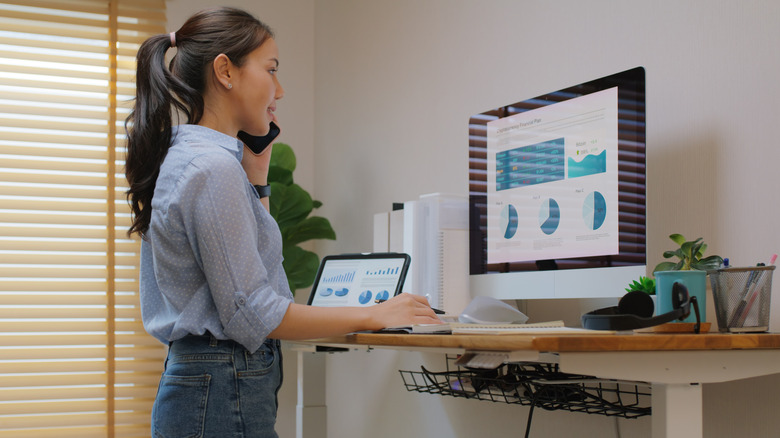
I never really thought about this particular benefit before I built my standing desk, but looking back on it now, I definitely feel the difference between working on research-heavy reports while sitting versus standing. According to a Mayo Clinic study, participants in a lab exercise experienced improved brain function when using active workstations that allowed them to stand and move around, compared with sitting. There were some negatives, too. Typing speed dipped slightly, although accuracy didn't seem to be affected.
The important note to keep in mind here, too, is that just standing up at the desk helped improve their thought power. This study suggests that things like the 20-8-2 rule can be even more beneficial than just standing, as increased blood flow likely helps your brain operate closer to peak performance, since your body isn't struggling to get the nutrients it needs to different parts of your body as much. You'll still want to keep in mind how long you're standing, as other health risks related to standing too much are worth noting, and studies show that standing for more than two hours can increase the risk of cardiovascular issues.
It can help posture and back pain, but having proper support is important

We've all likely heard the excuse that standing while you work can help improve your posture. It doesn't really take a rocket scientist to see that you are probably less likely to hunch your back while working standing up. I know I am. However, the postural benefits largely depend on how you set up your desk. In fact, before you start using a standing desk, make sure you set it up to avoid neck and back pain.
Additionally, make sure you have proper foot support before standing for long hours. This is a mistake I made when I first built my standing desk: I decided to splurge on the wood for the desktop instead of picking up a cushioned anti-fatigue mat. Additionally, I tend to wear really flat house shoes at home, which means I don't give my body the support it needs to avoid additional pain in my feet, legs, and back. And because studies have shown that standing for more than two hours can slow reaction time and lead to discomfort, you'll want to make sure you're alternating between sitting and standing throughout your workday.
My recommendation is to make sure you're not only using a cushioned mat when standing up but also wearing proper footwear for the task. After all, you wouldn't work out in your Crocs, would you? So you probably shouldn't stand in them at your desk for long periods, either. If you do, you might end up putting off using your standing desk for a few months, just like I did.
Using a standing desk is all about balance

The final thing you need to know about using a standing desk is ultimately something I've already hinted at pretty openly throughout this article, and that is the fact that standing more isn't always healthy for you. In fact, studies have shown that standing too much can pose risks to your cardiovascular system, including poor circulation and pain. Because of that, you should be mindful of how much time you spend standing at your desk and make sure to give yourself breaks from it, too.
Sitting all the time isn't the healthiest option, and buying a desk gadget that turns your sitting desk into a standing desk can be one of the most useful home office upgrades you can buy. But if you're going to switch to a standing desk, make sure you're properly equipped and ready to make the most of it. Ultimately, switching to a standing desk isn't just a win. It's about balancing the advantages and disadvantages together to help ensure you have the healthiest approach to working in your office as possible.