

Do Intel MacBooks Still Get Support In 2026?
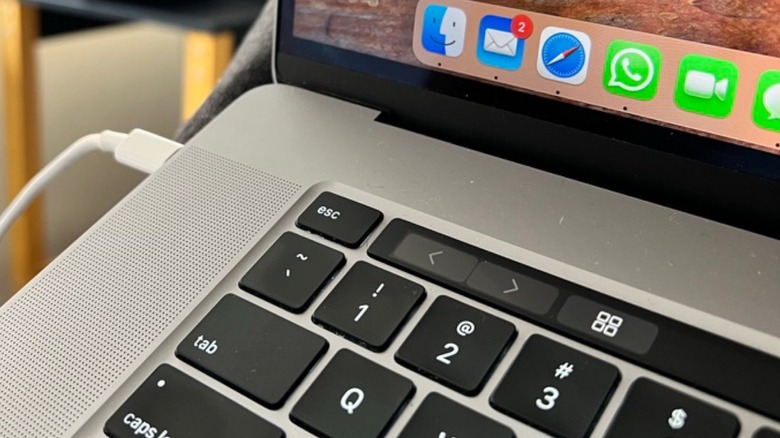
Intel MacBooks are finally being phased out of software support, just over six years after Apple announced its first batch of Macs with its in-house processors. Even though no Intel Mac will get support for the upcoming macOS 27 Golden Gate, which will be released later this fall, some of these computers will still get software updates in 2026. This is because Apple is continuing to release incremental updates for macOS 26 Tahoe.
At this point, the last Intel Macs with support for macOS Tahoe are the 16-inch MacBook Pro released in 2019, a 13-inch MacBook Pro released in early 2020, a 27-inch iMac released in early 2020, and the 2019 Mac Pro. Apple usually offers up to three years of security patches after it moves on to a new macOS version. These Macs were introduced in late 2019 and early 2020, so they'll likely receive eventual software updates for a few more years. In addition to that, Intel Macs that could run macOS 15 Sequoia and macOS 14 Sonoma are still getting software updates in 2026.
However, if you're expecting an Intel MacBook to get the new Siri AI and even the long-awaited bug fixes and general stability that macOS Golden Gate is promising to deliver later this year, then your best option is to upgrade your Mac with an Apple Silicon option — and with Apple recently announcing a new financing program, this might be the best deal for some customers that need a new Mac but don't want to pay upfront for the price increase.
Understanding Apple dropping support for Intel Macs
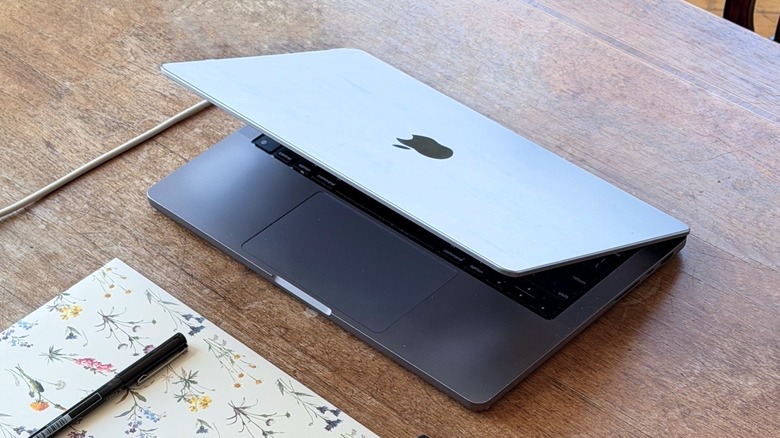
This is the second time Apple has changed the internal processor of its Macs. In the early 2000s, it ditched PowerPC chips in favor of Intel processors. While, at the time, the transition happened a lot faster, Apple decided to take its time with switching its architecture from Intel chips to Apple silicon. This latest transition started in late 2020 when the company announced the M1 chip, which used a new architecture with more components combined, such as the processor, GPU, and RAM. While this means that most Macs (with the exception of the now discontinued Mac Pro) are no longer customizable after your purchase, it also makes them more power-efficient and faster in general.
Among the reasons that made Apple ditch Intel was the ability for Apple silicon to deeply integrate its hardware and software. This provides Apple with more control over production and allows it to address several issues with the latest Intel Macs. With that, after a couple of years, Apple officially completed its hardware transition by announcing the M2 Ultra Mac Pro and ditching the last Intel counterpart. Software-wise, the company announced in 2026 that macOS Tahoe was the last software update for Intel Macs. Apple also said that developers need to properly port their apps to support M-series chips, as macOS 28 will drop support for legacy software. Apple Silicon Macs after macOS 28 won't be able to use Intel apps, and Intel Macs and MacBooks will have around until 2029 (provided Apple follows its trend) with security updates until the company completely moves away from these devices, marking the true end of the Intel era.