

3 Reasons Not To Upgrade From The Pixel 10 To Pixel 11
I adore Google Pixel phones. I've got nothing personal against other manufacturers, but there are many reasons why I'll always choose a Google Pixel over other Android devices. However, the newest Pixel 11 is somewhat of a hard pass because the Pixel 10 is still so powerful given that it was only released a year ago. Google's generous software support (and impressive hardware, mind you) will likely allow me to hold on to it for at least a few years, so upgrading to the Pixel 11 would be pointless. This isn't just my opinion; plenty of people made up their minds about Google's new release ahead of time, advising users not to wait for the Pixel 11.
If you're using a Pixel 9 or older, then the new Pixel 11 might be a better choice, despite the $100 price increase. But for Pixel 10 users, the improvements are so marginal they don't offer much incentive to upgrade. The new model does double the base storage to 256GB, sports an updated chipset, and has a larger camera sensor, but it's not much of a jump that would justify buying a whole new device. Considering it looks so similar to last year's version, you don't even get the street cred of having the latest version. So it may be wiser to hold on to your Pixel 10 and wait a year or two until Google comes out with the next-generation Pixel.
1. The Pixel 10 is still a good pick
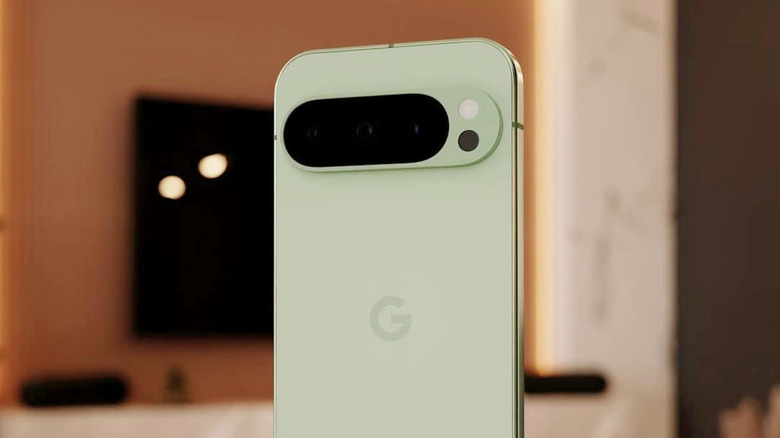
The main reason not to upgrade to the Pixel 11 is that the first Pixel with two digits in its name remains a powerful phone by current standards. Considering it was released in August 2025, this shouldn't come as a surprise, since both the Pixel 10 and the likes of the iPhone 17 still carry some heft spec-wise. For starters, Pixel 10 has 12GB of RAM, which is more than enough for almost all daily tasks (even multitasking if you're that kind of a user). Considering that the base Pixel 11 Pro devices have been downgraded from 16GB RAM to 12GB of RAM, that puts the Pixel 10 closer to the power levels of the new top-end devices.
RAM is not the only reason the Pixel 10 still holds up. Last year's Tensor G5 is a great 8-core chipset clocked at 3780 MHz. It's fast, snappy, and can handle almost everything you throw at it. The camera? Save for a larger sensor and a better zoom on the Pixel 11, most users won't notice the difference from last year's device, though Night Sight is expected to be a bit faster. Software-wise, Pixel 10 will receive generous 7 years of updates. My experience with these phones is second to none, to say the least. I've never experienced a hardware failure, and all my old Pixels are still working fine, so I can sleep well at night knowing that if push comes to shove, the Pixel 10 will continue operating and receive software and security updates until the next decade.
2. The Pixel 11 updates are marginal at best
Credit where it's due, Pixel 11 has a few cool new features, such as the notification LED and the teleprompter that arrived to the camera app. But are these updates life-changing? Not by a long shot. Once you dig a bit deeper, apart from those nifty little improvements, the biggest differences from last year's model are the storage, the processor, and bigger camera sensors.
Make no mistake, this is a good thing if you're making the upgrade from a phone that came out years ago. In that case, the difference would be night and day. Pixel 10 users are unlikely to even notice it. The new and improved Tensor G6 bumps up the power efficiency by 20%, and the browsing speed has reportedly seen a jump of 25%. The key issue with this is that last year's processor is still more than capable and will likely stay that way for a few years. Plus, Pixel 11's slightly better AI performance just isn't a big enough improvement for those of us who have the Pixel 10.
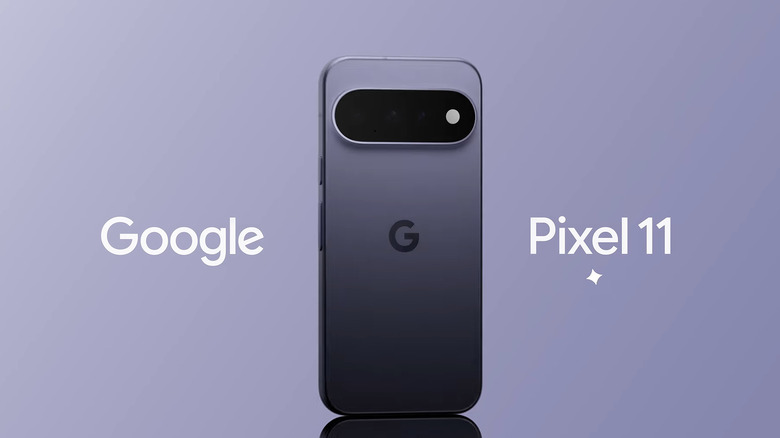
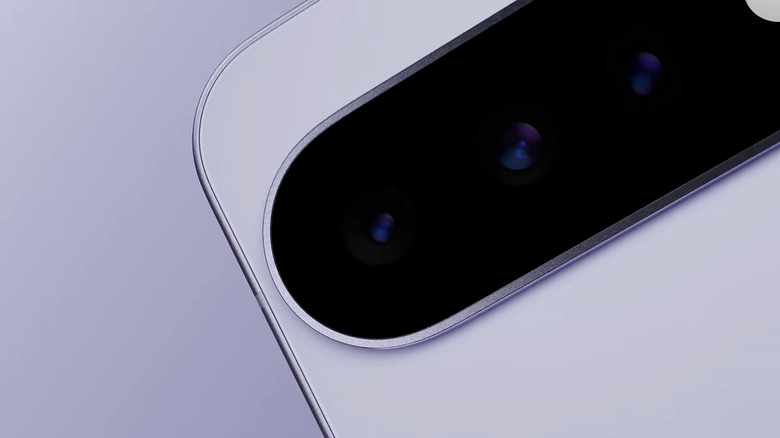
The Pixel 11 doubles the storage (the base model now comes with 256GB), which is a great call on behalf of Google. The camera update isn't nearly as substantial. It's pretty much the same triple camera, with a slightly bigger sensor. The field of view (FOV) is wider, and the telephoto can now zoom to 30x. For the most part, it's old news, although the larger sensor will let in more light, which will probably make night photos a bit better. Other than that, you get a few new color options, but the design remains practically the same, and I struggled to pick out the difference between the two Pixels in photos.
3. The price of admission is too high
Starting at $899, the Pixel 11 is relatively affordable for a flagship smartphone in 2026. That's generally what I love about Pixel. The $899 price tag is a reasonable one, especially when you consider that it's a phone you can theoretically keep for over five years or more. Yet, this only applies to those upgrading from phones older than the Pixel 10. The predecessor is priced at $785. So if you were looking for a brand new phone to upgrade to from the Pixel 8, for example, then putting down an extra $100 for the Pixel 11 may not be worthwhile to receive only slightly more powerful specs than the Pixel 11. For happy Pixel 10 owners, paying $899 is simply too high of a price for what you'd get.
Overall, this isn't a criticism of Google alone; year-to-year smartphone improvements aren't as noticeable as they were a decade or just a few years ago. There's only so much you can do to improve on the Pixel 10, after all, which was top-notch when it came out. Other manufacturers are dealing with the same issue. Take Apple as an example. The iPhone 17 came out in 2025, so the next iteration is bound to be a bit underwhelming. Fans are already recommending users skip getting the iPhone 18 and wait another year, because the really substantial hardware changes are likely coming in 2027.