

5 Cool New Features Coming With The Google Pixel 11
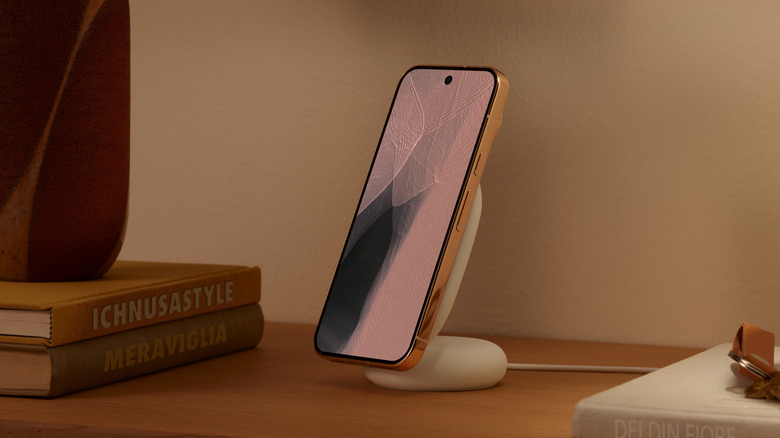
Google's Pixel 11 series arrived with the sort of spec bumps you'd expect from a yearly refresh. The device offers Google's new Tensor G6 chip, bigger camera sensors, and brighter displays. The Pixel 11 lineup consists of four phones. The Pixel 11 starts at $899, the Pixel 11 Pro at $1,099, the Pixel 11 Pro XL at $1,299, and the Pixel 11 Pro Fold at $1,899 — each $100 above where the equivalent Pixel 10 model started last year. All four go on sale August 20, launch with Android 17, and come with seven years of OS, security, and Pixel Drop updates.
Look past the numbers, and there's a more interesting set of additions. We've gone through all the new additions and picked out the coolest new features, including one piece of hardware that Android fans have been asking Google to bring back for the better part of a decade. Some of the features below are exclusive to the Pro models, some are software that will likely spread to other Android phones eventually, and a couple are worth the upgrade on their own.
1. HiLight brings back the notification LED
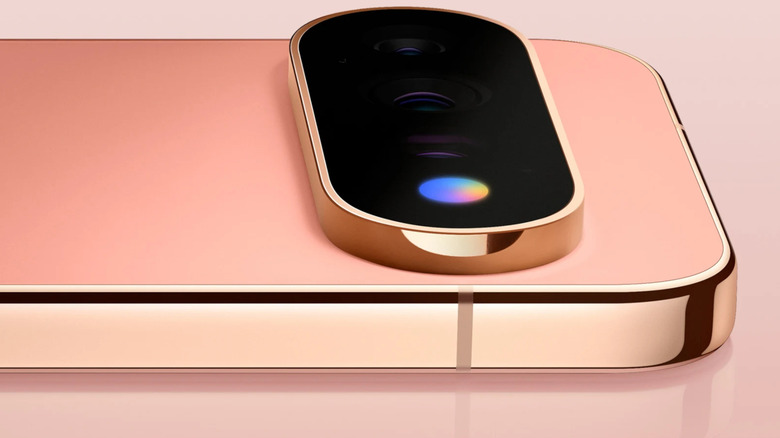
The notification light returns, but with a few changes. Dubbed HiLight, rather than one LED, it features an array of ambient LEDs built around the camera flash on the back of the phone, which glow in color when the device is face down. You can assign custom colors to Favorite Contacts, so a glance at the back of the phone tells you whether an incoming call is worth turning it over for. The colors stay consistent whether the call comes through Phone by Google or WhatsApp. HiLight also pulses in different patterns to show when Gemini is listening, thinking, and responding. Unfortunately, HiLight doesn't light up for app or message notifications, though Google says support for message notifications from favorite contacts is coming later.
Notification LEDs were standard on Android phones for years before manufacturers dropped them in favor of always-on displays, and Google removed the feature from its own phones in 2018 with the Pixel 3. Getting it back in a form that handles AI status and per-contact colors is a nice return, though the implementation is narrower than what enthusiasts remember, since there's no per-app customization at launch. HiLight is limited to the Pixel 11 Pro, Pixel 11 Pro XL, and Pixel 11 Pro Fold, which makes it another reason to consider upgrading to one of the best folding smartphones rather than the base model.
2. Gboard Rambler cleans up your dictation

Voice typing on phones has always had the same problem. It can only transcribe what you actually said, not what you meant. First announced during the Android Show before Google I/O 2026, Gboard Rambler can filter out run-on sentences and filler words like "umm" and "ah." It also figures out your actual intent behind any mistakes and produces clean text. If you change your mind halfway through a sentence, it can sort out the contradiction. Tell it to scrap what you just said and start again, and it does that too. When Rambler is active, it takes over Gboard's suggestion strip with a waveform animation so you know it's running.
The reason this matters more than most keyboard features is where it lives. Rambler is built into Gboard, the default keyboard for Pixel phones. That means it works in any app that accepts text input, from Google Messages to email to the search bar in a browser. Dictation on Android has been usable for years without ever being pleasant, if you ask Pixel users online. But the difference between transcription and comprehension is the kind of change people will notice.
3. Magic Capture takes the shot for you
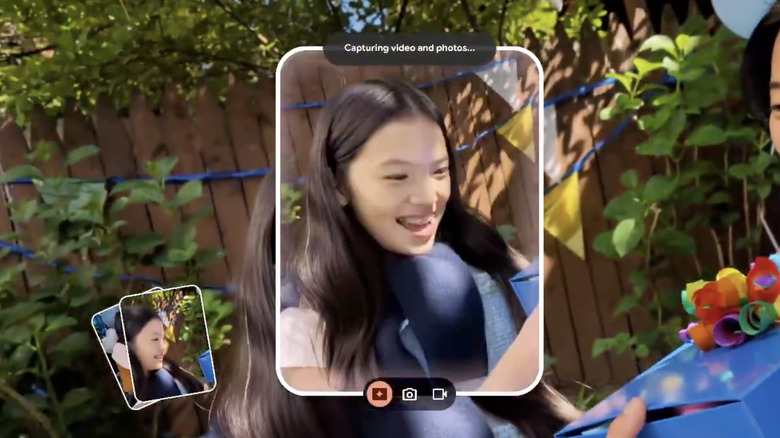
Magic Capture is Google's flagship new camera feature. It is designed to handle the moments when framing a shot means you might miss it. With the feature enabled, you can hit the shutter once, and your Pixel 11 will record a video, pull the best frames out of it, and hand you the still photos with automatic cropping and unblurring applied, along with the original video. Google suggests this could be a particularly useful feature for parents, pet owners, and anyone who has spent a birthday party staring at a viewfinder instead of the party. It is available across the entire Pixel 11 series rather than being reserved for the Pro models.
Google isn't the first to introduce such a feature. Samsung offered a feature called Single Take on the Galaxy S20 back in 2020, which captured up to 14 photos and videos from a burst of up to 10 seconds and let its AI pick the winners. What's changed since then is the AI processing behind selecting the best images, and the face unblurring in particular appears to have come a long way.
It's a great year for Pixel cameras, as the Pixel 11 Pro will also improve the longstanding Night Sight feature, capturing low-light shots up to 4.5x faster than before and requiring less light, all while maintaining the same quality. Pixel phones already rank well in our roundup of popular smartphone cameras, and these features widen the gap even further.
4. Creator Suite puts a teleprompter in the camera app
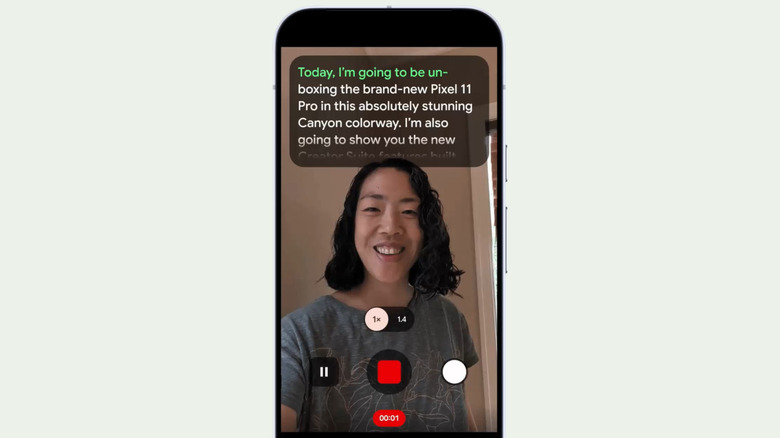
Creator Suite is a new tab in the video settings that offers a collection of tools aimed at people who film themselves for a living. The headline addition is an on-screen teleprompter that scrolls through your script as you talk, sitting above the camera feed so your eyeline stays roughly on the selfie camera lens. Google also offers an improved version of Speech Enhancement that lets you cut retakes, trim and reorder clips inside the camera app, and automatically save footage into a designated project album so a shoot doesn't scatter itself across your camera roll.
Hands-on coverage of the phones from MrWhoseTheBoss also describes an audio visualizer that warns when you're speaking too loudly. Plus, Creator Suite includes a selection of on-screen social media layouts that show which parts of the frame will be covered by interface elements once a video is uploaded to a platform like Instagram. That last one will be important for creators, since video teams routinely use safe-area guides to prevent captions and faces from being cropped. Baking those guides into the filming process rather than the edit is practical thinking.
5. Extreme Charging Mode pushes charging to the limit
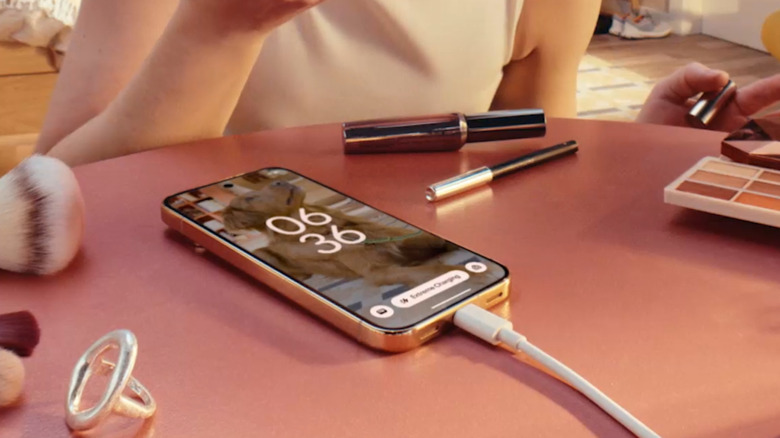
Extreme Charging Mode is new to the Pixel 11 to charge the device faster, but it does not increase the device's wattage. Rather, this feature shuts down background tasks and lets the phone run hotter than it normally would while charging, allowing more of the available power to reach the battery before thermal management starts throttling things. The wattage ceilings remain the same as on the Pixel 10 series: 30W on the Pixel 11 and Pixel 11 Pro, and 45W on the Pixel 11 Pro XL. The increase in charging speed comes from spending more time at the top of that range rather than actually increasing it.
Google restricts the mode to devices with less than 50% charge, but it keeps running until your device reaches 100% once enabled. It supports both wired and wireless charging, and you can enable it in Settings or via a Quick Settings tile. For context, the Pixel 10 reached 55% in about 30 minutes on a 30W charger. All four Pixel 11 phones also support the Qi2 25W standard through built-in Pixelsnap magnets, which is worth pairing with one of the best wireless chargers you can buy. It's currently unclear whether this specific feature will affect the longevity of your battery health. Heat can be a major factor in battery degradation, so this feature could accelerate it, and it's not presently clear whether Google has included safeguards to prevent this.