

The Google Pixel 11 Brings Back An Android Feature We Haven't Seen In Years
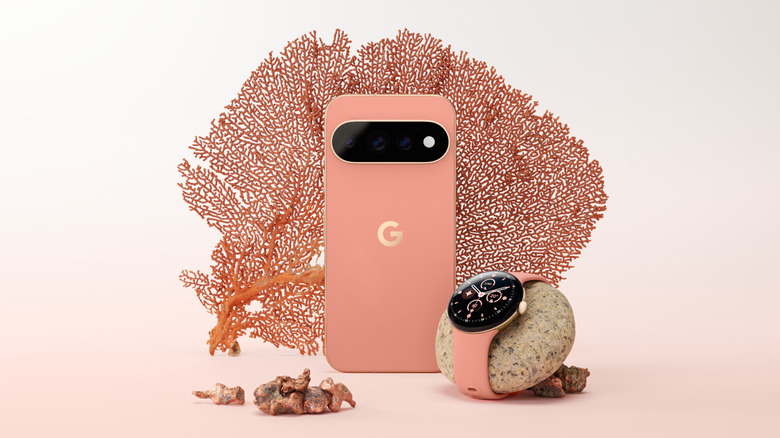
Google unveiled its latest flagship Android smartphones, the Pixel 11, Pixel 11 Pro, Pixel 11 Pro XL, and Pixel 11 Pro Fold on Wednesday. Tucked among the expected chip and camera upgrades is a major throwback: the notification light is back. It's called HiLight, an array of ambient LEDs built around the camera flash on the Pro models that glows in color to alert you when your phone is face down. The notification LED was once a standard feature on Android phones before manufacturers phased it out in favor of always-on displays, and Google dropped it from its own phones in 2018 with the Pixel 3. Almost a decade later, it returns in an arguably smarter form.
HiLight aside, all four phones run on the new Google Tensor G6 chip with a Titan M3 security coprocessor, ship with Android 17, start at 256 GB of storage, and carry major camera upgrades. Every model, including the Pixel 11 Pro Fold this year, hits shelves on August 20.
The Pixel 11 gets a bigger sensor and a slimmer camera bar
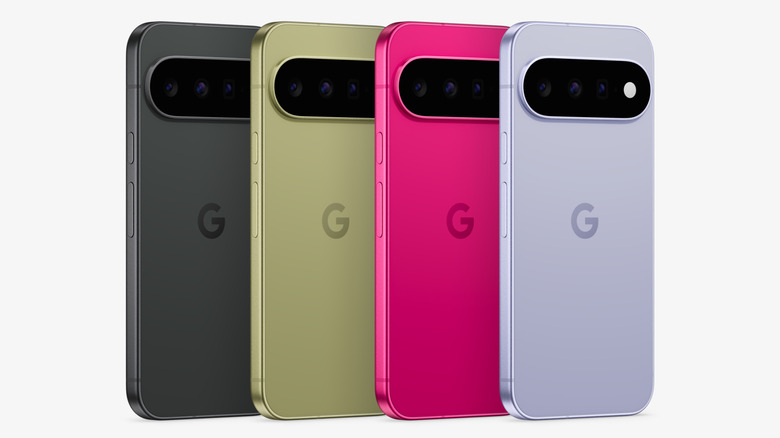
The standard Pixel 11 keeps its notable camera bar but slims it down by 40%, which Google says makes the phone virtually bump-less when paired with one of its cases and completely wobble-free on a flat surface. It comes in Frost, Pistachio, Hibiscus, and Obsidian, with a 6.3-inch Actua display that reaches 3,000 nits of peak brightness — the same as last year.
This year, the camera sees the biggest change. The Pixel 11 gets a new, larger 48MP main sensor that Google says delivers 56% more light sensitivity than the Pixel 10, which should mean noticeably better low-light photos. The 5x telephoto lens now stretches to 30x Super Zoom, powered by Tensor G6, up from the 20x ceiling on last year's model. The phone also introduces Magic Capture, a new camera mode that grabs a video and share-ready photos with one tap, automatically cropping and unblurring them, plus Camera Looks for building your own set of film-style photo aesthetics. Both features roll out across the whole series.
Charging gets attention too. Wired charging takes the Pixel 11 to 55% in about 30 minutes, a new Extreme Charging Mode dedicates the phone's performance entirely to powering up, and built-in Pixelsnap magnets now support Qi2.2 wireless charging at up to 25W. It still trails a cable for outright speed, but if you're planning to go mostly cable-free, it's worth checking our guide to the best wireless chargers you can buy. One feature the Pixel 11 does miss out on is HiLight, which stays exclusive to the Pro models and the Fold.
HiLight is the headlining feature on the Pixel 11 Pro and Pro XL
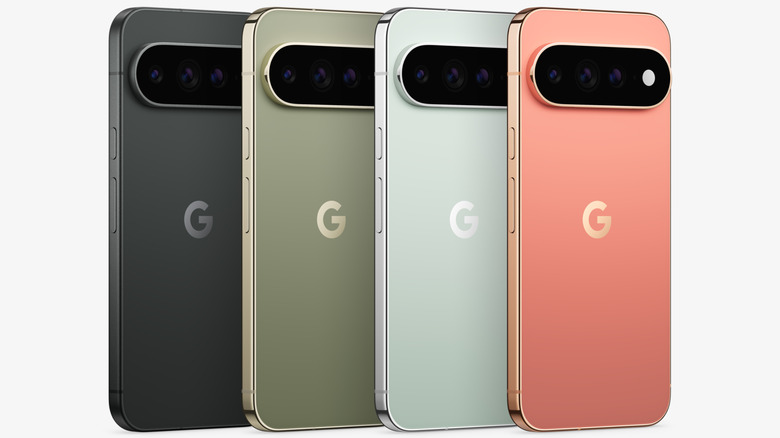
The Pro models get the new HiLight LED feature. When the phone is face down, the LEDs around the flash glow in custom colors you assign to favorite contacts, so you know whether an incoming call is worth flipping the phone over for. HiLight also pulses to show when Gemini is listening, thinking, or responding, and Google says more capabilities are coming over time, including message notifications from favorite contacts.
The rest of the Pro package is substantial. The Super Actua display now peaks at 3,600 nits, with a new anti-scratch coating that Google claims more than doubles the previous generation's scratch resistance, and the Pro line gets a matte Obsidian finish on the side rails for the first time. The 50MP main camera moves to a larger 1/1.3-inch sensor, while the redesigned 48MP telephoto pulls in 30% more light, supports Portrait Mode at 5x, and can go up to 120x Pro Zoom. That's the longest zoom Google has shipped, beating the 100x Pro Res Zoom introduced on the Pixel 10 Pro and Pro XL. Instant Night Sight captures low-light shots up to 4.5x faster, and Pro Stable Video with Video Boost enables 8K recording.
The Pixel 11 Pro and Pro XL come with up to 16 GB of RAM and 1 TB of storage, a vapor chamber to keep the Tensor G6 chip cool, and six months of Google AI Pro for free. The Pro XL charges fastest of all: up to 75% in about 30 minutes with a 45W charger. As per Google's math, you get 15 hours of battery life in 15 minutes. At 6.8 inches, the Pixel 11 Pro XL also earns its place among the best big phones you can buy.
The Pixel 11 Pro Fold is thinner, lighter, and tougher
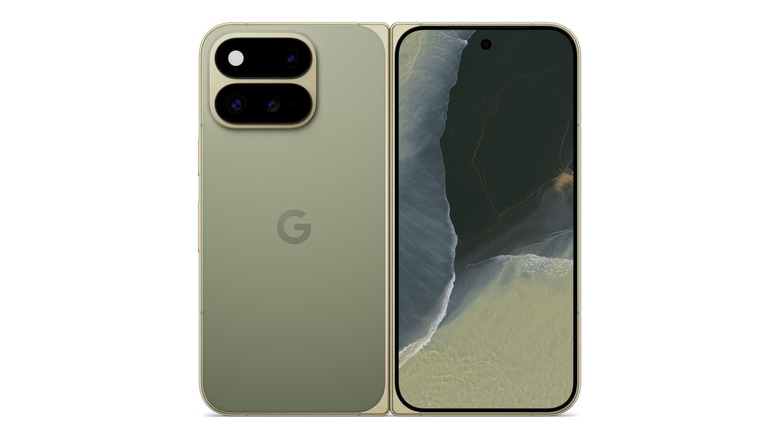
The Pixel 11 Pro Fold is about 1mm thinner and almost 10% lighter than its predecessor, yet Google claims it's 3x stronger, thanks to a new hinge, a composite matte back, and IP68 water and dust resistance. The Pixel 10 Pro Fold measured 10.8mm when folded and weighed 9.1 ounces, against 10.1mm and 8.4 ounces this year.
The outer 6.5-inch screen gets the Super Actua treatment for the first time, and both displays are 20% brighter than before, with the inner 8-inch Super Actua Flex panel peaking at 3,600 nits, up from 3,000 nits on both of last year's displays. The Fold also gets the HiLight notification LED, along with the same 48MP main sensor upgrade as the Pixel 11, complete with 56% better light sensitivity and 30x Super Zoom.
Its form factor unlocks a few tricks the slab phones can't match: Made You Look plays animations on the outer screen to make kids look at the camera, Dual Screen Preview lets subjects see themselves while framing a shot, and Rear Camera Selfie uses the main camera for self-portraits. Battery life is rated at 24+ hours, with 30 minutes of charging giving the phone a 50% top-up. Wireless charging jumps from 15W to 25W. It comes in Olive and Obsidian, and it's a strong new entry among the best folding smartphones you can buy.
Google's newest folding phone arrives alongside the rest of the lineup this year rather than trailing it. Last year, the Pixel 10 Pro Fold shipped roughly six weeks after the other three phones reached stores.
Tensor G6, Gemini Intelligence, and everything else
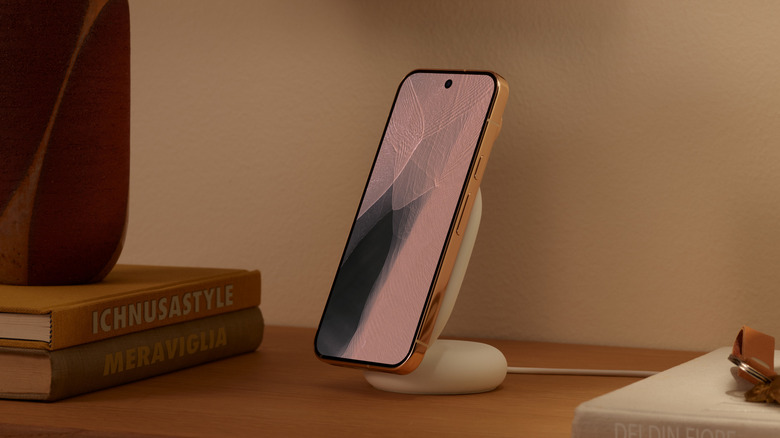
Every phone in the series runs on the new in-house Tensor G6 chipset. Google says the upgraded CPU delivers 25% faster web browsing and 15% quicker app launches, while a TPU with 50% more compute runs on-device AI tasks up to 3.5x faster while using up to 3.5x less energy. Paired with the Titan M3 chip, it brings post-quantum cryptography to secure boot, with protection aimed at future attacks from quantum computers.
That same silicon powers Gemini Intelligence, which proactively surfaces information from your apps, like pulling up your calendar when a friend texts to ask if you're free. Voice typing now strips filler words and formats your dictation into polished text, and a new sign-to-text input in Gboard translates sign language captured by the camera into text, opening up face-to-face conversation for users who are hard of hearing. Live Translate extends to videos, podcasts, and voice messages, and Circle to Search works directly from the camera.
The Pixel 11, Pixel 11 Pro, and Pixel 11 Pro XL are available for preorder now at $899, $1,099, and $1,299, respectively. That's a $100 increase across the board compared to the Pixel 10 series. Pricing for the Pixel 11 Pro Fold hasn't been confirmed yet. All four phones arrive in stores on August 20 with seven years of OS, security, and Pixel Drop updates. Compared with last year, that adds up to a faster chip, bigger sensors and longer zoom on every model, quicker wired and wireless charging, a slimmer and sturdier foldable, and a notification light back on a Pixel for the first time since 2018.