

10 Popular Smartphone Cameras, Ranked From Worst To Best By Reviews
We may receive a commission on purchases made from links.
Unlike any other piece of technology, your phone never leaves your side. It's the way we consume content, pay for things, and capture moments with our loved ones. Let's be honest: Nothing ruins a good memory more than a photo that, instead of reflecting the emotions, is muddled with bad details and washed-out colors. Fortunately, smartphone cameras are at the top of their game in 2026, and most, if not all, can capture decent photos. But there's a difference between phones that take aesthetic daytime shots and those that maintain the same quality across different times and focal lengths.
For a long time, Samsung, Apple, and, more recently, Google flagships were the go-to pick for anyone wanting the best camera. While this notion is true, there has been some disturbance in the force from the East. Chinese makers such as Vivo, OPPO, and Xiaomi have upped the ante and redefined what phones can do, with 1-inch sensors and 120x periscope zoom. Sadly, these aren't available in the U.S. — unless you plan on importing. Since there's a big market outside the U.S., such as in Europe, where people can buy Chinese flagships, we combed through reviews and ranked them against the big players to see how various smartphone cameras stack up.
10. Google Pixel 10a
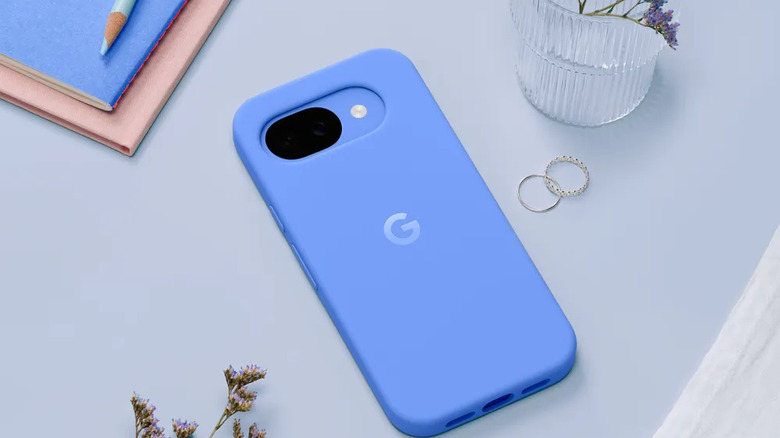
"Good phones are getting cheap, and cheap phones are getting good" is a line repeated time and again by YouTuber Marques Brownlee, known as MKBHD, via X. And for the longest time, it's stayed true, evidenced best by the Google Pixel 10a. If you're new, the A-series strips the Pro-series' fancy features to hit an affordable price point. For the 10a, that number is $499 on Amazon. This is Tom's Guide's pick for the best low-cost camera. The optics are led by a 48MP main camera sensor paired with a 13MP ultrawide lens.
On paper, nothing has changed with the sensors compared with the 9a, but expert reviews suggest they're still very capable. Captured shots carry that Google flair, marked by vivid colors and better-defined textures. It's a style that works for many, and the fact that this translates to artificial lighting makes the 10a a versatile phone.
Portraits also benefit from Google's mature processing that separates the foreground and background pretty effectively. What holds the Pixel 10a back from competing with the big dogs is that it struggles to retain detail in shadows at night with both the main and ultrawide lenses. Plus, it simply doesn't match the versatility of others on this list. Google says its software mimics a telephoto lens by cropping from the main sensor, but TechRadar found that zooming past 5x results in a blurry mess. That being said, the Pixel 10a is one of the rare phones with actually helpful, and not gimmicky, AI features such as Auto Best Take and Camera Coach. The latter is a tool that helps photographers better frame their shots depending on the conditions.
9. Samsung Galaxy S26
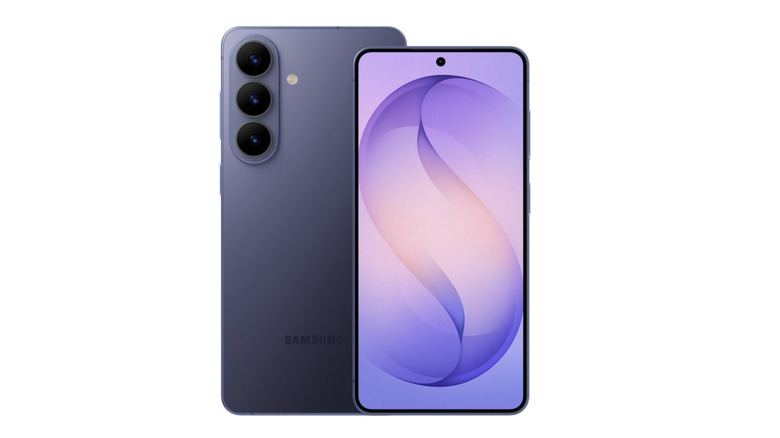
The Samsung Galaxy S26 ($799 on Amazon) is what many would call the "de facto" Android phone. It's not meant to break any boundaries, nor does it headline new hardware additions. Instead, the S26's winning formula involves combining flagship performance with good cameras at a price point that undercuts the Ultra model. Sadly, like the Pixel 10a, Samsung hasn't changed much with the new S26, which now features a couple of generation-old camera sensors. But that's not actually a bad thing. It means Samsung has had time to tune the image processing, and the review in PCMag says the results are solid.
The 50MP main sensor excels at capturing crisp photos with punchy colors and HDR performance that goes toe-to-toe with the Ultra model. The 10MP 3x telephoto lens is fine for zooms as long as you aren't expecting to capture concerts. Nighttime shots remain consistent, at least with the main sensor, but we found the ultrawide and telephoto lenses to be less good, with noise and missing details. With the S26-series, the push towards more AI features is even more apparent. While some features, such as object eraser, help remove unwanted things, others, like Photo Assist, make you question what even counts as a photo anymore. That's because you can describe anything, and the AI will add it to your shot with strikingly real details, lighting, and shadows.
8. OnePlus 15
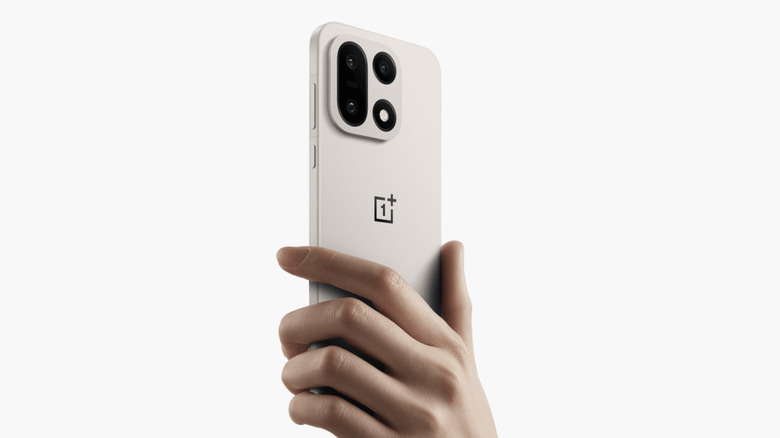
When OnePlus announced the end of its partnership with Hasselblad, the tech community, including us, feared their cameras would take a hit. After all, Hasselblad's color science did add film emulation and the popular XPAN mode. Despite that, we found the OnePlus 15 to be a solid performer, worthy of a spot on this list. And these aren't just our words. TechRadar's experts also gave this one good marks. At $900 on Amazon, the phone features a triple-camera setup with 50MP sensors and the new DetailMax imaging technology. Photos lean toward warmer tones but carry ample sharpness. Sunlight doesn't blow out the highlights, and capturing moving objects is much easier thanks to the action mode.
Like the S26, however, images captured in low light lose detail quickly, and blur becomes noticeable. While this ultimately keeps the OnePlus 15 from breaking into the top five, the 3.5x telephoto is a silver lining. It can take photos up to 7x without losing detail, which is pretty good. OnePlus allows users to zoom in up to 120x, but those shots look more like paintings. Nevertheless, the zoom works really well for portraits, which come out detailed and naturally colored without much beautification. Beyond that, videos have received a huge bump, with the ability to capture crisp 4K 120 frames per second (fps) videos available at your disposal.
7. iPhone 17
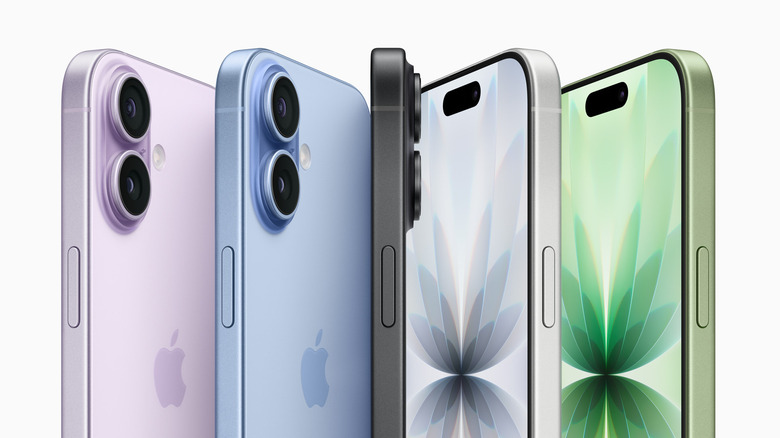
The iPhone 17 is Apple's bargain flagship phone. And for the longest time, these phones were handicapped, by intention, to push people towards the Pro models. But something changed with the iPhone 17. Apple finally stopped holding it back and gave it the much-requested 120Hz ProMotion display and upgraded cameras. The cameras, of which there are two, are led by a 48MP primary sensor, paired with another 48MP ultrawide lens (up from the 12MP on the iPhone 16). If there's one word to describe the iPhone 17's cameras, it's "reliable." Our review found its photos to be detailed in just about every scenario. Apple's natural-leaning colors keep the scene aesthetic. Surprisingly, the ultrawide gets the same praise since it takes crisp images even at night.
Sure, the lack of a telephoto zoom is a problem, especially given that even the regular Pixel 10 now has three lenses, but Apple's processing does a decent job of cropping into the main 48MP sensor for portraits. Human subjects have accurate skin tones, irrespective of their skin color, and the edge detection is accurate. The iPhone has one more trick up its sleeve: an all-new front camera. It's a square 18MP sensor that lets you shoot both portrait and landscape content without rotating the phone. No other phone on this list can do that, and a comparison by Versus found it retained skin tones much better than the S26. Not to mention, you won't find better 4K 60fps video on any other $799 phone.
6. Google Pixel 10 Pro
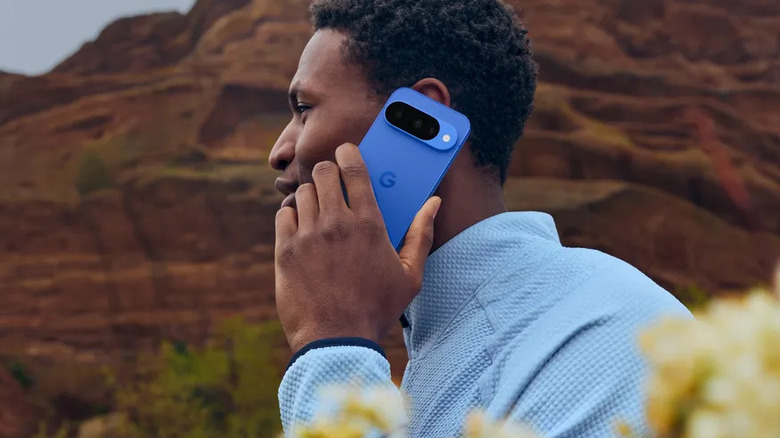
When the first Google Pixel arrived in 2016, it took both Samsung and Apple by surprise simply because it cracked the code for night photography. The night mode was so effective that people would root their Android phones to install the Gcam mod. While competition has since caught up, the newest Google Pixel 10 Pro ($749 on Amazon) still ranks among the best camera smartphones. Compared with the latest iPhone, the 10 Pro's nighttime shots pull in more color and often show better detail. In our review, Google's signature processing, coupled with the 48MP f/1.68 aperture main sensor, kept images looking super refined, with a great many details in both highlights and shadows.
The 48MP telephoto lens with 5x optical zoom works especially well for portraits, with granular separation between the foreground and background. Essentially, they are Instagram-ready. This phone has 100x zoom available, but it's more of a party trick. While the ultrawide maintains similar colors to the other two lenses, you will notice slightly less detail.
Like the 10a, this one has a whole host of AI features, such as Camera Coach, that offer framing tips for beginner photographers. Besides, you also get Pixel's excellent Object Eraser and Gemini in the Photos app. It can take your natural-language prompt and edit images for you. So, why isn't the Pixel 10 Pro higher up on the list? The answer to that is videos. A video comparison with the iPhone 17 Pro by Versus clearly shows the Pixel 10 Pro is still behind, with flatter colors in low light and more noticeable grain. Plus, you can't even shoot 4K bokeh videos, which should be a no-brainer in 2026.
5. Samsung Galaxy S26 Ultra
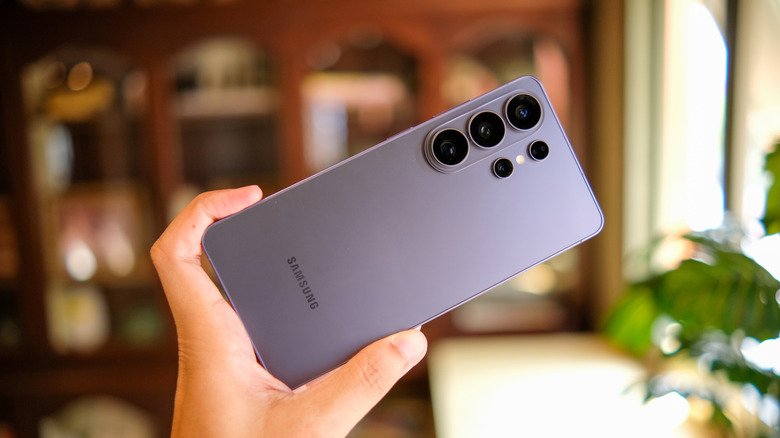
Up until very recently, if you wanted top-tier cameras, the Samsung S-series was the way to go. Samsung essentially pioneered the zoom category, redefining what can be captured from far away at a concert or in a scenic landscape. Unfortunately, that hasn't been the case with recent flagships, which continue to repackage similar sensors with added AI features you may or may not care about. Don't get us wrong, the Samsung Galaxy S26 Ultra is the best Android phone you can buy in the U.S., but competition in other markets is starting to outpace it. Nevertheless, the 200MP primary sensor captures stellar photos with punchy colors and dynamic range that stays consistent across different weather conditions.
Unlike others, the S26 Ultra uses two telephoto lenses, each serving a different purpose. The 3x lens is for shooting portraits, as cropping into the main sensor means softer images. The result? Consistently sharp photos with accurate colors, albeit with blacks that are sometimes blown out. The 5x periscope lens is meant to capture distant objects, and it does the job really well. You can crop into the sensor for detailed 10x shots, with a maximum zoom of 100x.
What keeps the S26 Ultra from a podium spot is nighttime photos/videos. SuperSaf's comparison to the iPhone 17 Pro Max highlighted its struggles with sharpness and washed-out colors, which isn't all that acceptable for the S26 Ultra (listed at $1,099 on Amazon). On a rather positive note, the new Horizon Lock feature has made headlines for its ability to capture super-still videos.
4. OPPO Find X9 Pro
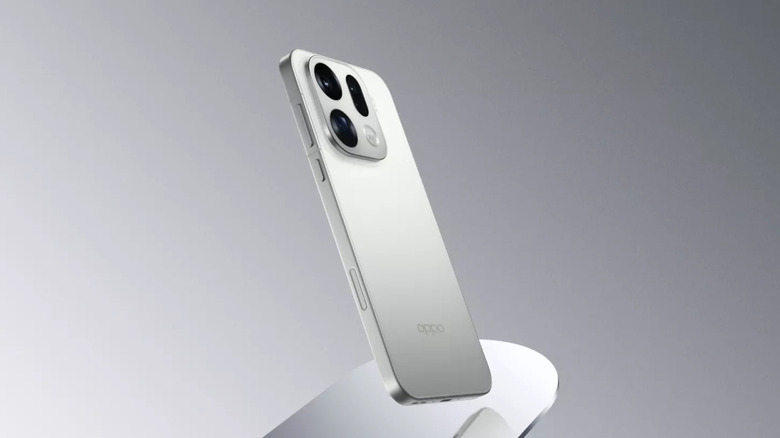
When OPPO entered the global smartphone market, it was seen as just another Chinese brand that blatantly copied iPhone software features. While iOS-inspired software still lives, its smartphones are in a completely different league, competing with dedicated cameras. A perfect example of this shift is the OPPO Find X9 Pro. You cannot buy it in the U.S., but it's a complete flagship that maxes out the camera specs, with a 50MP, 1/1.28-inch primary sensor, another 50MP ultrawide, and a mammoth 200MP 3x telephoto lens.
According to TechRadar, the OPPO Find X9 Pro captures some of the most detailed photos you'll find. This is thanks to the 50MP sensor, which shoots at full resolution in good lighting. But what really makes the X9 Pro stand out is the Hasselblad partnership. It lends its expertise in the color-processing department, where you can choose among different filters to add character.
The results are gorgeously colored images that preserve dynamic range without blowing the highlights. Nighttime results are binned to 12MP, and they hold up against the very best from the Pixel 10 Pro. The 200MP telephoto is the go-to lens for portraits, and the shots look Instagram-worthy without any edits, even in low light, though textures do take a slight hit. While 120x zoom is available, the photos only look great up to 30x. After that, OPPO's generative AI starts filling in details. Ironically, AI is also the reason the X9 Pro doesn't top this list. OPPO has given it a bit too much freedom. It randomly activates across different focal lengths, turning a perfectly fine photo into something out of Google Gemini.
3. iPhone 17 Pro Max
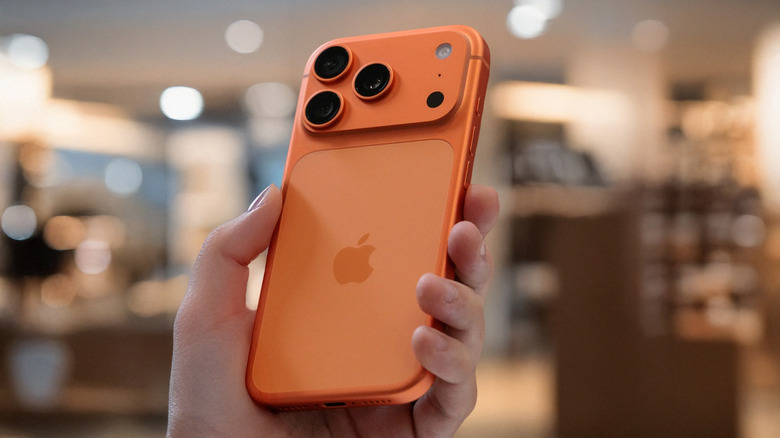
If you live in the U.S., then the iPhone 17 Pro Max is the best camera phone you can buy. Take a look around in the influencer world, and you'll find most creators using an iPhone to shoot videos instead of carrying a dedicated camera, and that's for a very good reason. The 17 Pro Max's video performance blows almost every Android phone out of the water, especially in terms of color and dynamic range as well as how it handles shots in the dark. Not to mention the integration with social media apps, which means you get the same quality videos even with an Instagram filter on. Beyond that, support for ProRes video recording gives you the flexibility to capture the widest dynamic range and color-correct with custom LUTs afterward.
As far as stills are concerned, Apple bumped the sensor size to 48MP across all three cameras and replaced the 5x telephoto with a 4x lens. While this may seem like a downgrade on paper, PhoneArena says the larger sensor size compensates for the loss quite well. And the results do the talking. With the 17 Pro Max, you don't have to think about your photos. You pull out the phone, capture the moment, and move on knowing it'll look great. Images are remarkably detailed, even at night, with portraits seeing the biggest upgrade in terms of edge detection around challenging subjects such as messy hair and glasses. Like the regular 17, the CenterStage 18MP square selfie camera lets you shoot both landscape and portrait content while holding the phone upright.
2. Vivo X300 Pro
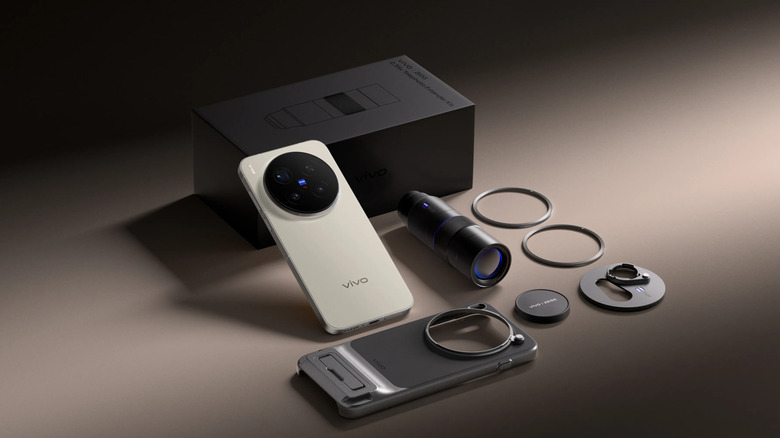
There's a long-running debate in the tech community that Vivo's X-series flagship phones are essentially cameras with a phone attached. And it's best demonstrated with the X300 Pro. Underneath the massive camera module sits a 50MP Sony LYT-828 primary sensor, a 200MP custom 3.5x Samsung HPB periscope lens, and another 50MP 119-degree Samsung JN1 ultrawide lens. Color processing is handled in collaboration with Zeiss, with a range of color profiles to choose from.
By default, the Vivid mode is selected, which boosts colors to make photos social media-ready. If that's not your cup of tea, Zeiss Natural tones down the colors, while Texture boosts contrast. The X300 Pro makes you want to get out and take photos simply because it's so good at what it does. There's little to no struggle with noise or washed-out colors at night. Instead, the shots retain detail in both highlights and shadows, while maintaining that night look.
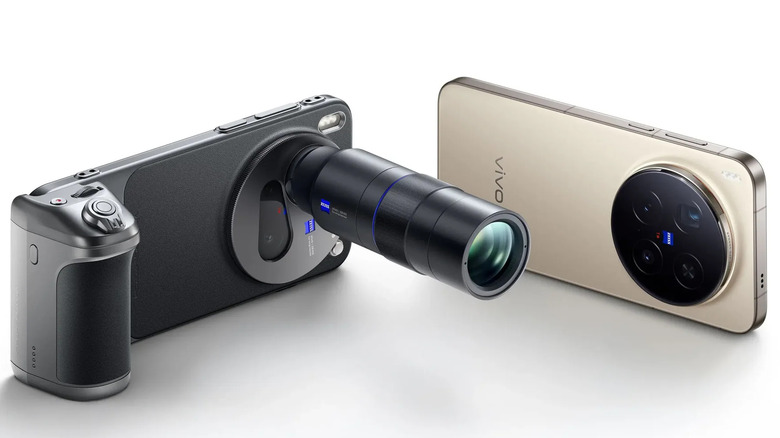
Still, the biggest reason to import the X300 Pro to the U.S. is portraits. It's Vivo's bread and butter, and TechTablets' comparison with the iPhone highlights the X300 Pro's near-perfect edge detection, accurate skin tones, and sharpness that doesn't degrade in artificial lighting. Plus, you can imitate the look of various Zeiss lenses, such as Biotar and Sonnar, for a more DSLR-like aesthetic. While Vivo does sell a zoom extender, you don't really need it with a 200MP sensor, which retains much of the scene without relying on heavy AI processing.
1. Xiaomi 17 Ultra
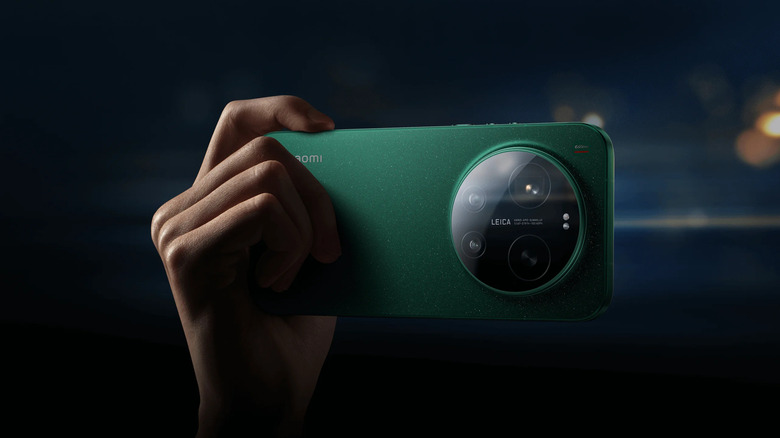
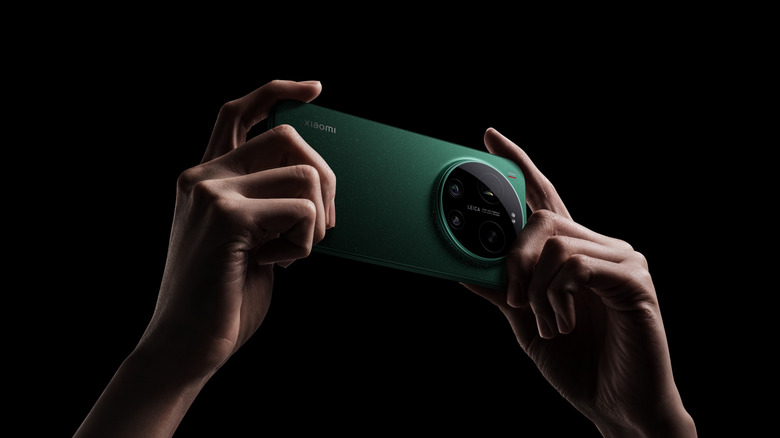
Xiaomi is one of those brands that does everything. Want a TV? The brand makes it. Want a high-performing electric sedan that set a record on the Nürburgring in Germany? It makes that too. Want the best camera phone of 2026? The Xiaomi 17 Ultra steps up to the occasion by dialing camera hardware to 11. While not available in the U.S., it is part of a small group of phones featuring a 1-inch 50MP Light Fusion 1050L sensor coupled with a 200MP telephoto sensor and a 50MP ultrawide lens.
As big a role as software plays in photography these days, there's no denying that bigger is better when it comes to camera sensors. Photos from the primary camera have a richness that's a step ahead of even the X300 Pro, per a comparison by Trakin Tech English. Portraits don't feel artificially boosted, and there's amazing natural separation between the foreground and background. The Leica colors deliver a more stylized look with different filters baked into the processing pipeline. It's not a camera meant to please everyone. Instead, it gives you the control to dictate how an image looks. The 17 Ultra's nighttime performance is second to none, thanks to something called LOFIC. In layman's terms, it lets in more light without relying on multi-frame processing — something that can introduce blur in moving subjects. Digital Camera World's review says photos have more texture and depth without blowing highlights. And this tech works for videos, too.
Where the 17 Ultra seals the deal, though, is the zoom. That's because the 200MP periscope sensor here physically shifts between 75mm and 100mm for real optical quality. This might not sound like a lot, but, coupled with the fact that you can crop into the 200MP sensor, images up to 17.2x retain optical-like detail, natural colors, and spot-on dynamic range.
Methodology
What makes for the best camera smartphone is a subject of heated debate, simply because what you need from a smartphone may differ from what everyone else needs. For example, the iPhone 17 Pro Max will probably be the best camera phone for content creators, while the Xiaomi 17 Ultra is better for those who value capturing photos with style.
Consequently, this list was based on aggregated reviews from reputable outlets such as TechRadar, PhoneArena, and Versus as well as user feedback and real-world camera testing across a variety of scenarios. That said, phones aren't ranked solely on camera quality, but also by how much they push the boundaries of smartphone photography. And to keep our rankings fair, we decided to include Chinese flagships not available in the U.S. to showcase how far they've come in a short time.