

Your Old iPhone X And 2018 MacBook Pro Are Obsolete Now — Here's What That Means
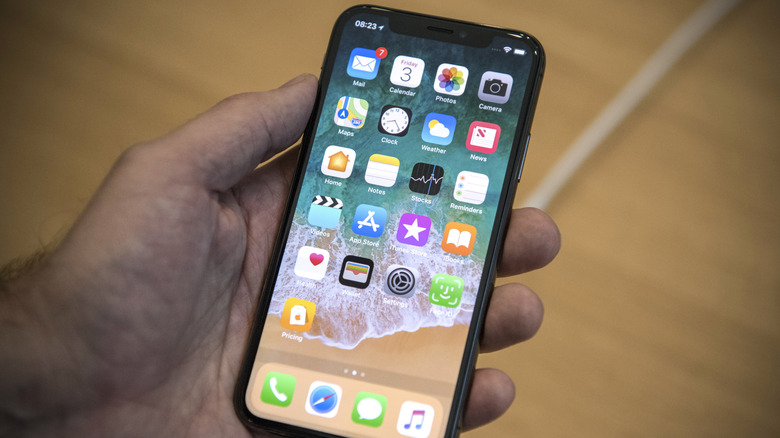
Apple routinely classifies some of its older products as vintage or obsolete. This classification is important for consumers because it tells them whether they can still get hardware servicing or device components from the company. The latest inaugurations to this obsolete classification are the iPhone X and the 15-inch 2018 MacBook Pro, which unfortunately means that if you own one of these devices and you've been thinking about fixing your iPhone, Apple won't be able to help you.
The company officially provides service and parts for all its products for at least five years from the time it distributed them initially. Once a product's age exceeds that five-year mark, it's classified as vintage, but Apple will continue offering parts and service for it. However, once a product has crossed the seven-year mark since it was first released, it's considered "obsolete" and becomes ineligible for repairs. That said, some MacBooks may qualify for battery repairs for up to 10 years after they first went to market. Visit Apple's website for the full list of products the company has classified as either vintage or obsolete.
What are your options for repairing an obsolete Apple product?
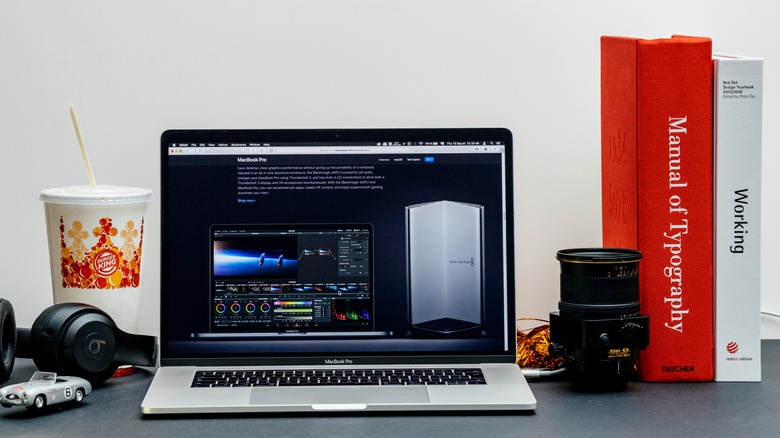
If your Apple product has been classified as obsolete, it's not the end of the world. It just means neither you nor a technician can order new parts from Apple to repair it. You can still continue using your device, but if it starts having problems, your only option would be to visit an independent repair shop and hope they'd have the necessary parts among their existing stock. Upgrading is always an option, but that might not always be desirable — especially because Apple raised the prices on most of its products in June 2026.
You may be able to source third-party components, such as batteries, or procure working parts from a dead device to restore your faulty hardware. However, reliability is a concern in either scenario. Third-party offerings may not meet the same quality standards as Apple's genuine parts do, and since scavenged parts are likely already old, they could give out at any time.
If your product has been marked obsolete, then it's also unlikely to receive significant software updates. Not all Apple devices can run the latest versions of iOS or macOS, so if you opt to use an unsupported Apple product, it may only be able to receive critical security patches — if that. That said, iPhones do tend to receive security updates for up to eight years following release. The 2017 iPhone X can't run anything past iOS 16, but it still got a security update via iOS version 16.7.16 in May 2026. Conversely, the 2018 MacBook Pro received macOS 15 Sequoia as its last major macOS update, but — being an Intel-powered machine — it's not slated to get the macOS 27 Golden Gate update in September 2026.