

4 Ways To Find Free Charging Ports Every EV Owner Should Know
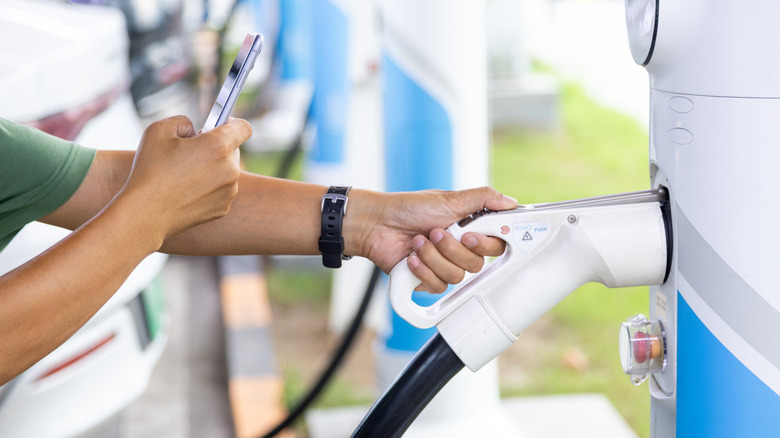
Electric cars are exciting pieces of tech, but seeing how much premium fast charging networks cost can be a bit of a tough pill to swallow. Yes, ditching the gas pump comes with undeniable environmental perks, but still having to fork over top dollar to charge your car on a road trip can eat right into those promised long-term savings. Thankfully, the realm of EVs is packed with brilliant ways to skip the credit card swipe, especially if you know where to look.
Free charging isn't a myth, and it definitely isn't limited to secret, hidden outlets behind random buildings. In reality, a surprising number of businesses, local governments, and automakers are pretty dang motivated to hand out free power. Sometimes it's a retail strategy to get eager shoppers with EVs through store doors, and other times it's just a bundled perk dealerships use to sell more electric vehicles off the lot.
Scoring this complimentary juice takes a tiny bit of strategy and the right apps loaded on your phone; this way, you won't always have to look for ways to extend your EV's range. Whether you're running standard weekend errands around town or mapping out a long cross-country drive, you can easily keep your vehicle charged without spending a dollar. Here are some ways to find those free charging ports.
Take advantage of bundled manufacturer promos
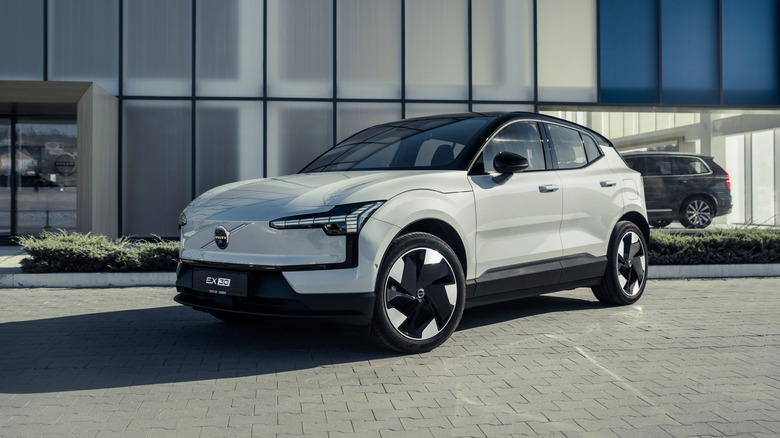
The absolute easiest way to score free electricity power often happens the moment a brand-new electric vehicle is driven off the lot. To ease range anxiety and sweeten the buying experience, major automakers frequently offer some sort of free charging perk. In fact, certain EVs from BMW and Mercedes-Benz still offer free charging in 2026, bundling complimentary charging sessions right into the sticker price to entice you.
The trick here is actually remembering to set it up before hitting the highway. To unlock these promotional miles you may be required to download an app, create a profile, and link the car's unique vehicle identification number. Surprisingly, plenty of new owners skip this digital setup phase entirely, leaving hundreds of dollars in free electricity sitting totally untouched. Don't let this free money go to waste.
You should also be sure to keep track of any fine print, specifically, the expiration dates tied to these accounts. While some promotional plans might offer unlimited fast charging for two years, for example, others may limit you to a fixed amount of kilowatt-hours that automatically vanish after a set period. Leaning heavily on these manufacturer-sponsored sessions for big road trips is the ultimate way to stretch an EV's legs without spending a single dime on the journey.
Hit up ad-supported free chargers at stores
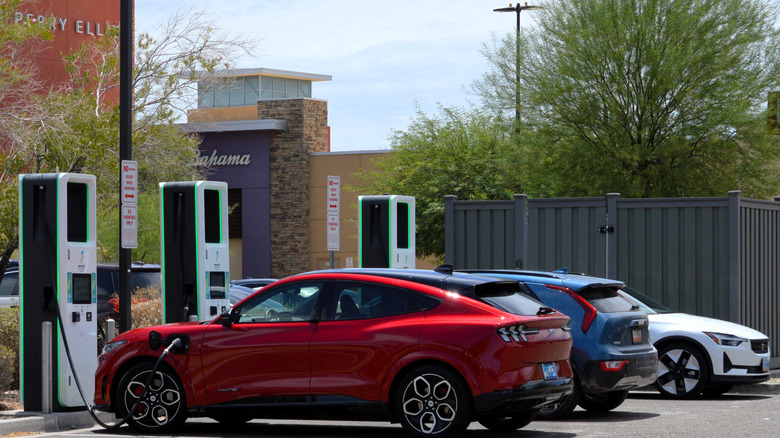
More businesses have finally figured out that giving away free electric vehicle charging is a great strategy to attract affluent shoppers to their storefronts. Major grocery chains, large shopping malls, and popular big-box retailers are installing charging stations right near the prime parking spots. Which charging network you'll see depends on the individual shopping center.
However, networks like Jolt have installed these highly visible ports with large digital display screens that loop ads while your EV gets topped up. With these, advertisers are footing the bill to flash their commercials on giant screens, so the actual electricity flowing into your car is free to you. Grabbing an hour of Level 2 charging while wandering the aisles of a grocery store might not fill a totally dead battery, but it should net you about 20 to 30 miles of range for nothing. You don't even have to sit there and watch the ads; turning an everyday grocery run into a quick battery bump is the kind of multitasking every EV driver should master.
Of course, basic charging etiquette still heavily applies when you're taking advantage of such prime retail spots. Charging stalls are meant for active, paying customers who are actually inside the store, so treating them like long-term overnight parking is a faux pas. So, once you're done charging, consider moving your car to a regular parking spot so the next driver can use the free charger. Also, make sure to check whether the charging is entirely free or valid only for a limited time to avoid paying unwarranted charges.
Hunt down free local government perks
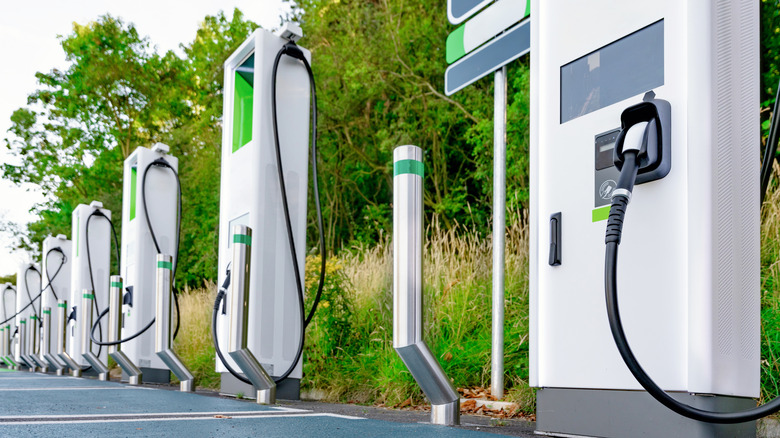
City planners and local governments are constantly pushing green initiatives, and that means tax dollars are often used to fund public charging infrastructure, like free EV charging. Countless municipalities have installed totally free chargers at places like public libraries, sprawling city parks, and busy downtown parking garages. Those make it easy for them to promote clean energy while giving you a good reason to hang around and explore those local areas on foot.
Using these civic chargers usually doesn't require any special memberships or subscriptions. In fact, most of these public chargers operate as simple plug-and-play units, at most requiring a quick tap from a ubiquitous app like ChargePoint to get things started. Letting your car charge up a bit while you explore a nearby museum, check out books from the library, go for a casual walk, or even grab lunch at a nearby cafe makes your downtown parking time better spent!
The only catch with these taxpayer-funded stations is that they're going to be popular among locals who already know about them. That can make finding an open port on a busy Saturday afternoon feel a bit like winning the lottery, so timing is absolutely everything. You'll likely have better odds of finding an open free charger during off-peak times, like early mornings or late evenings.
Utilize smart maps and charging apps
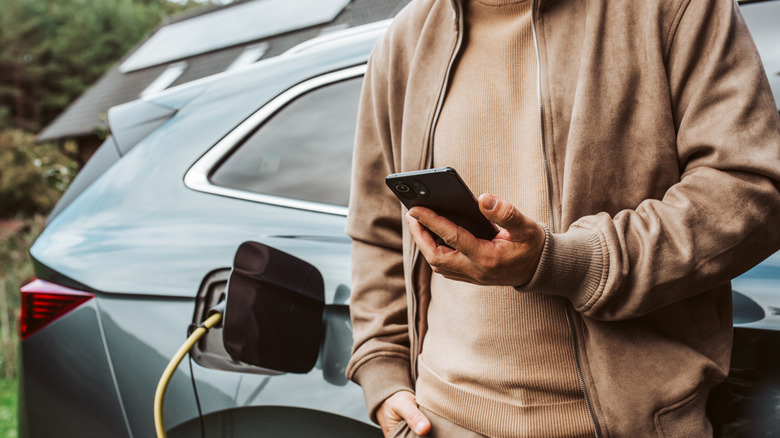
Hunting down free electricity in the wild can feel all but impossible if you don't have the right tools at hand to help you out. While navigation apps like Waze have some great features for electric vehicle owners, including finding nearby chargers, you'll want to use third-party apps to find free chargers. Platforms like PlugShare and ChargeHub are community-driven databases that list out virtually every public plug, regardless of charging network.
The killer feature buried inside PlugShare (and apps like it) is the ability to filter out all the paid stations. With a few quick taps, the cluttered map instantly clears out, displaying only the locations offering absolutely free sessions. Beyond just finding the hardware, these apps rely on active crowdsourced user input like reviews, photos, and real-time updates to verify if a free EV charging station is actually functioning properly or blocked off for some reason. By actively filtering these maps, finding free public chargers goes from a wild hunt to a calculated and predictable routine.