

These Popular Storage Brands Make The Least Reliable Hard Drives, According To New Study
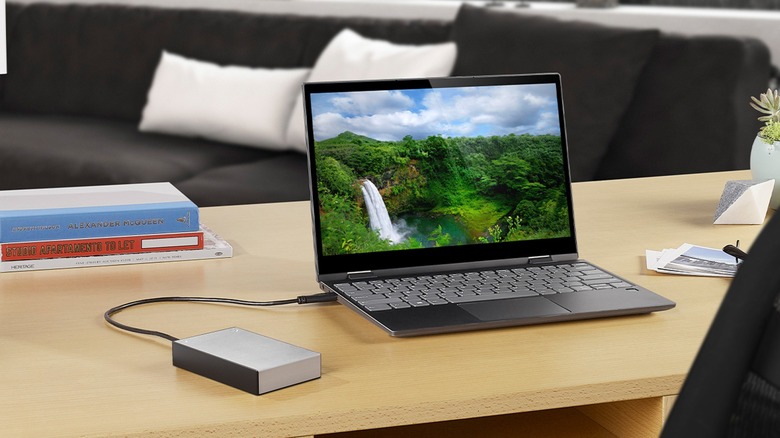
It's important to back up your computer files every so often, but you shouldn't just rely on cloud storage. If the internet goes down — or worse, the storage company goes bankrupt — you will lose your data. On the other hand, you will lose your backups if your external drive fails, and brand popularity is no shield against such occurrences. Researchers at the University of Essex and Sungkyunkwan University published a study on IEEE based on the reliability of HDDs.
The data, which used work previously collected by Backblaze, examined the devices of four popular manufacturers: Seagate, Toshiba, Western Digital (WD), and HGST (which was purchased by WD). According to the study's findings, Seagate hard drives failed almost twice as frequently as WD and HGST, whereas Toshiba came in dead last, failing twice as often as Seagate drives. HGST proved slightly more dependable than WD, but not by much.
The research used 443,156 drives that Backblaze examined between 2013 and 2025, resulting in 1.66 million drive-years' worth of data. According to the data, Toshiba drives experienced a catastrophic increase in failure rate around the 60-month mark, generally dying twice as often as other brands. On the other side of the spectrum, most of Seagate's drive failures occurred within three years of first use; any Seagate HDDs that made it past that milestone proved generally reliable.
Too much heat prematurely ages a drive
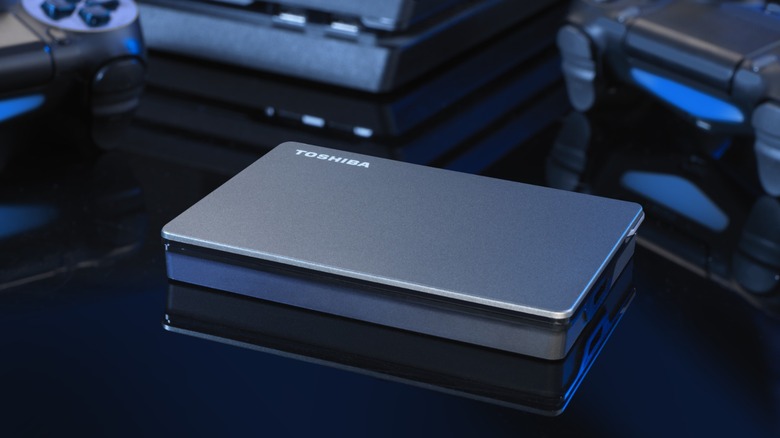
It's common knowledge that computers slow down as they age due to wear and tear on their HDDs. However, general use isn't the only culprit behind HDD failure; your work environment also plays a part. The study and Backblaze's data also show that hot drives generally fail faster. An increase of one degree Celsius (1.8 degrees Fahrenheit) increases the odds of failure by 2.1%, and those numbers compound: the hotter the drive gets, the more likely it will fail.
Yet another reason to keep your computer and workspace cool. To make matters worse, the same data shows that large drives fail faster than small ones, though that might be more due to the construction needed to fill the drives with helium (it lets manufacturers fill drives with more platters for extra storage space). In the spirit of fairness, the information used in the study is somewhat incomplete, so the numbers it provided might not be wholly accurate.
Approximately one-third of the drives listed in the data were replaced with higher-capacity versions. It's possible that certain drive brands are more reliable than the data implies because so many weren't allowed to fail for the experiment, but HDD size, temperatures, and how they impacted failure rates were downright universal among all models.