

Why Europe's Solar And Wind Farms Keep Getting Turned Off (And How They Could Fix It)
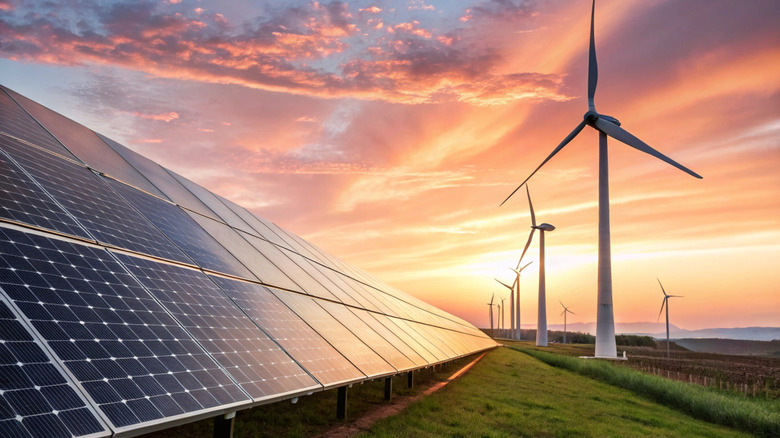
Politics often has a way of sneaking its way into the discourse surrounding various topics, renewable energy included. Then, as partisan agendas spread, misinformation can take the front seat, which is the case with green power sources being labeled as damaging or ineffective. In reality, both wind and solar power have come a long way in recent times. One could argue that they're becoming a little bit too efficient, so much so that solar farms in Europe produced an energy surplus, turning energy prices negative.
This is why countries like Germany shut down or reduce the output of their renewable energy sources, including wind farms. This practice, referred to as curtailment, is generally necessary when producing extra electricity becomes fiscally unviable — as in locations like the Iberian Peninsula. Though this practice has decreased across Europe overall, Germany is the outlier where curtailment grew by 20% in 2026. It's due to the Solar Peak Act from 2025, which postulates that renewable energy assets are no longer eligible for subsidies when prices fall below zero. Thus, it makes more commercial sense for wind farms and solar operators to pull the plug instead of producing a surplus of energy.
Opponents of renewable energy could point to this issue as a reason to stick with fossil fuels. However, the problem isn't the energy generated by wind farms and solar plants. Rather, it's the storage and transmission technology, which, if improved, would allow countries to stop wasting energy. So, demand response combined with better energy storage could fix this curtailment issue.
How countries can curb curtailment on a large scale
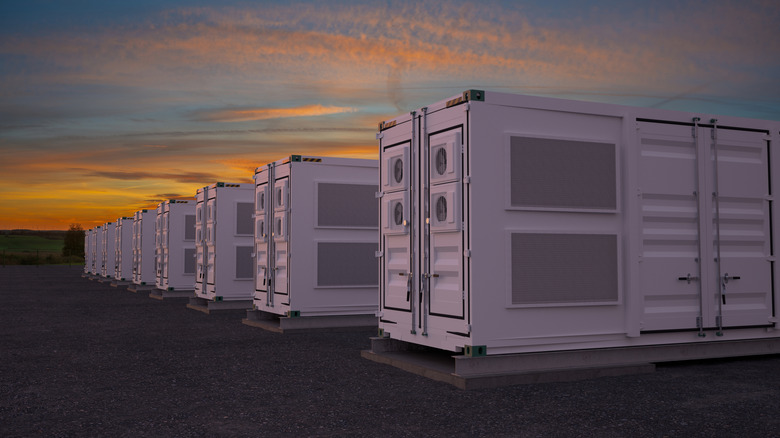
Renewable energy may get a bad rap, but there's an outdated myth about solar power that it requires fossil fuel backup. The US Department of Energy says that storing electricity enables the use of surplus supply as needed. In turn, investing in storage facilities improves power quality and resilience, helps match supply and demand, and can limit curtailment by balancing energy loads more effectively. The International Renewable Energy Agency also found that by combining different sources of green power and boosting battery storage, solar and wind farms can provide reliable power and compete with coal plants on cost.
If Germany follows the example set by other European countries, it might find that legislation can help with curtailment. France, for instance, has subsidies that incentivize renewable power plants to keep their facilities on. This worked when you consider that negative price hours increased 14% in 2025, but curtailment dropped 32%. Similar outcomes were seen in countries like Finland and the Netherlands, proving that local laws can fix the issue from the top down.
Along with improved storage and incentivizing power producers to continue running, countries can encourage citizens to play along. For example, smart meters allow households to track their energy expenditure with more precision. As prices decrease when demand is low, households could save money by running power-hungry appliances during these times. That helps soak up the surplus produced by wind and solar farms — a win-win on the renewable energy front.