

Why Did Motorola Phones Fail (And What Brought Them Back)?
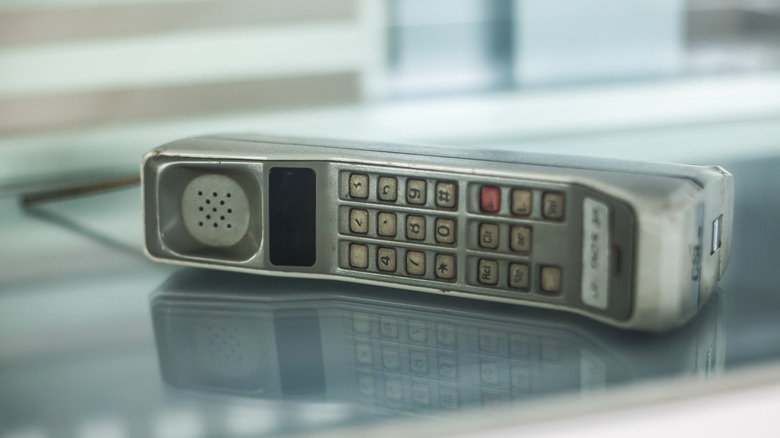
The story of Motorola's phone business resembles a rollercoaster ride. After decades spent building expertise in radio communications, Motorola engineer Martin Cooper made history in 1973 by making the first public call from a handheld cellular phone prototype. A decade later, Motorola turned that breakthrough into the DynaTAC 8000X (pictured), widely regarded as the first handheld cellular phone available to consumers. From there, the company went on to become one of the biggest names in mobile phones, pioneering increasingly smaller and more sophisticated handsets before going on to launch the iconic StarTAC and RAZR V3 in 1996 and 2004, respectively. But it wasn't all smooth sailing.
In 2006, Motorola was at the height of its powers, enjoying about 21% of the global mobile phone market, making it the world's second-largest handset maker behind Nokia. Much of that success was down to the RAZR, which had become a huge hit since its launch in 2004. But rather than developing a new generation of phones, the company relied on the formula that had worked so well, churning out RAZR variants like the PEBL, SLVR, and KRZR. While sales remained healthy enough for a while, Motorola became overly dependent on its aging product line at a time when the market was changing rapidly. Competitors were already pushing ahead with 3G phones and the emerging category of smartphones, including BlackBerry devices, although it's fair to say that the new type of handset was a relatively niche part of the market in the mid-2000s. Motorola, meanwhile, was struggling to find a successor to the RAZR capable of capturing people's attention in the same way. And then, in 2007, along came Apple's iPhone.
Motorola faces multiple challenges
Apple didn't invent the smartphone, but the iPhone transformed expectations about what such a device could be. Its striking design, large touchscreen, intuitive interface, and potential to support a huge variety of apps made it an instant hit with consumers around the world. A year before the iPhone's arrival, Motorola tried to move into the smartphone market with the MOTO Q, a BlackBerry-style phone with a physical QWERTY keyboard, but the device struggled to make an impact. As Motorola also continued to push the increasingly dated RAZR and its variations, many of its competitors were moving quickly toward a new generation of slicker smartphones.
Motorola suffered badly during the shift, with its handset shipments and market share plunging in 2007 and 2008, while its mobile business landed in the red. By 2008, the company had fallen behind Nokia and Samsung, while Apple and BlackBerry were reshaping the high end of the market. Motorola's global handset share fell from 21.1% at its 2006 peak to just 8.7% in 2008. In 2009, it fell again, to just 4.8%. Meanwhile, Apple's iPhone was going from strength to strength, with the fourth generation landing in 2010, while Samsung was making waves with its new Android-powered Galaxy S.
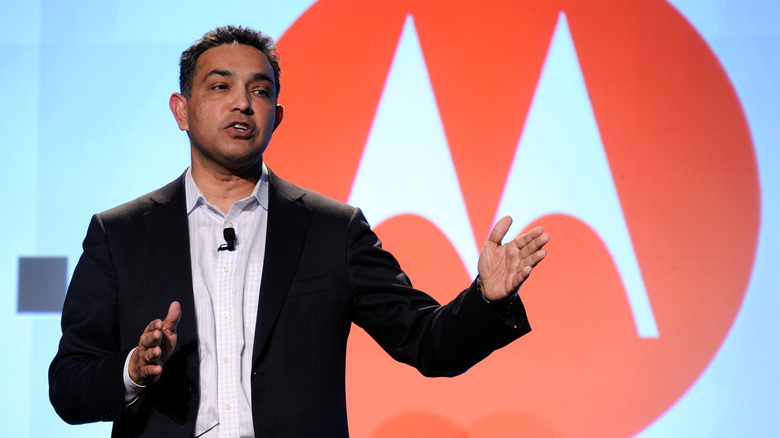
By the end of the decade, Motorola's once-dominant phone business was faltering, and the company needed a new strategy if it was to remain relevant. It got the ball rolling with the 2008 appointment of Sanjay Jha, who was brought in to lead its mobile business. The veteran Qualcomm executive set about implementing a radical change in Motorola's direction, but it would take a while for the shoots of recovery to appear.
Getting back on track
As the new head of Motorola's mobile business, Jha cut costs and simplified the company's sprawling phone portfolio to increase its focus on smartphones. In a pivotal move in 2009, Motorola fully embraced Android, then an emerging Google-backed mobile operating system that was being adopted by a growing number of handset makers looking to challenge the iPhone.
Toward the end of 2009, Motorola unveiled its first Android phone, the CLIQ (called DEXT outside the U.S.), followed by the more successful Droid (branded Milestone in many non-U.S. markets). The Droid was warmly received by reviewers, with Engadget calling it "the best Android phone to date," and PCWorld giving it a 90/100 score. Motorola shipped about two million Android smartphones in the final quarter of 2009, giving the company solid hope that it was making the right decisions. By the fall of 2010, the strategy was really beginning to pay off, with the mobile unit reporting a quarterly profit for the first time in more than three years and Motorola shipping a healthy 13.7 million smartphones during the year.
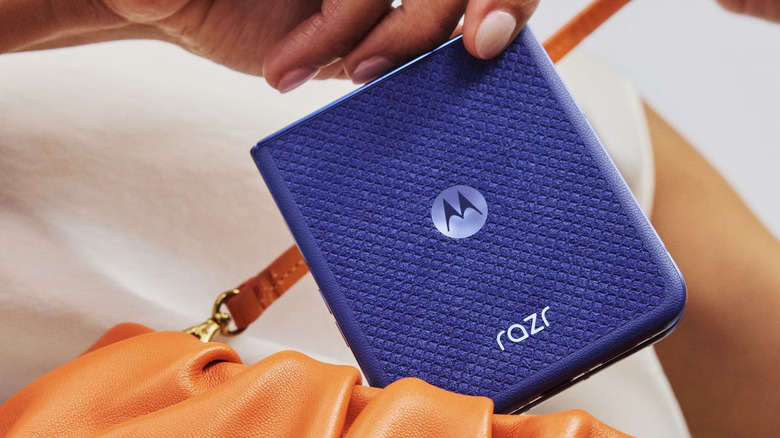
But the recovery was still fragile, and more big changes were coming. Motorola Mobility spun off in 2011, and Google acquired it in 2012, giving the business access to Google's resources as it continued developing smartphones. By 2014, however, the phone business was still struggling to make a profit, prompting Google to sell the division to Lenovo. After further restructuring, Motorola returned to worldwide profitability in fiscal year 2018/19 and revived the iconic RAZR name as a foldable smartphone in 2020. More recently, the brand has been growing again, with smartphone revenue hitting a post-acquisition high in FY 2024/25. Motorola Mobility clearly faces a competitive future, but its recent growth suggests the brand still has plenty to offer.