

5 Reasons To Skip The Google Pixel 11 (And Why You Should Upgrade To The Pixel 10 Now)
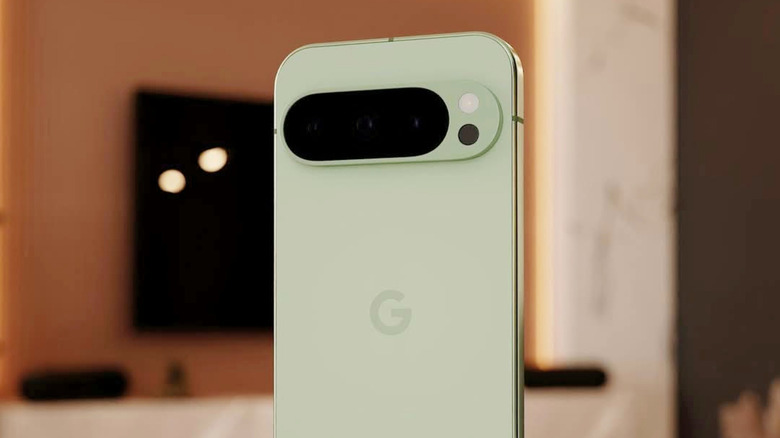
Smartphones have come a long way in the last twenty years, and we've come to expect new and better features each year when a fresh device drops. Sadly, this trend no longer holds true, thanks to the RAM and storage crisis. As such, Google's Pixel 11 is a perfect example of the consumer getting the shorter end of the stick compared to previous years.
Not only has the Pixel 11 price hike made Google's competition even more appealing, but it's also ensured Google's previous models have become a better deal, especially if you can snag a Pixel 10 at a discount. You see, the Pixel 11 make a few sacrifices that actually make the older phone a superior device. The Pixel 10 is simply the better buy, and here are the top five reasons why you should upgrade now and skip the Google Pixel 11.
Higher price for every model
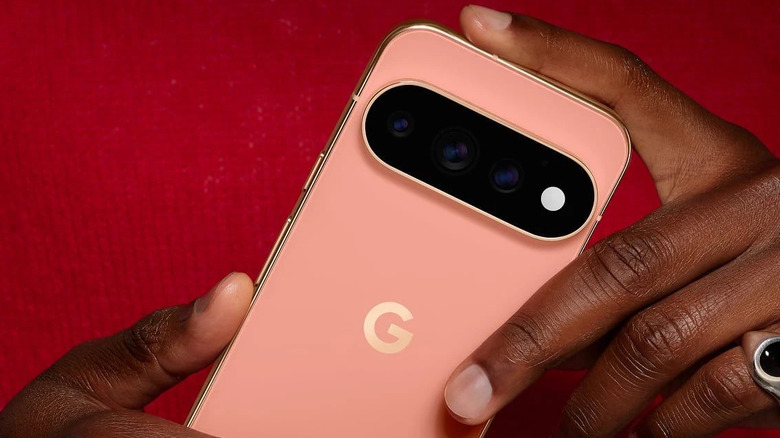
We've known that the Pixel 11 series would see a price hike since it was announced in July, and while there are plenty of new features coming with the Google Pixel 11, there are a handful of compromises as well. So why spend more to potentially get less when there's ample stock of older Pixel models that compare and, in some cases, even outpace the latest generation?
Google ditched the 128 GB Pixel 11 model, bumping things up to 256 GB and 512 GB for its two options, which somewhat explains the more expensive price point where every model is now $100 more than it was last year. But when it comes to RAM, the top-end Pixel 11 Pro with 512 GB storage only offers 12 GB this year instead of 16 GB (more on that below), so even when you spend more, for certain models, you indeed get less. This is ultimately what makes the higher price of the Pixel 11 hard to swallow when there are Pixel 10 Pros still on the market.
Basically, thanks to the RAM crisis, what's old is new again when the latest models released this year haven't done much to differentiate themselves from previous generations in an effort to cut manufacturing costs. Consumers need not care what something costs to build; all they need to know is which phone offers the best specs at the best price point, and that's the Pixel 10 hands down, thanks to its lower pricing and comparable performance.
Negligible camera improvements
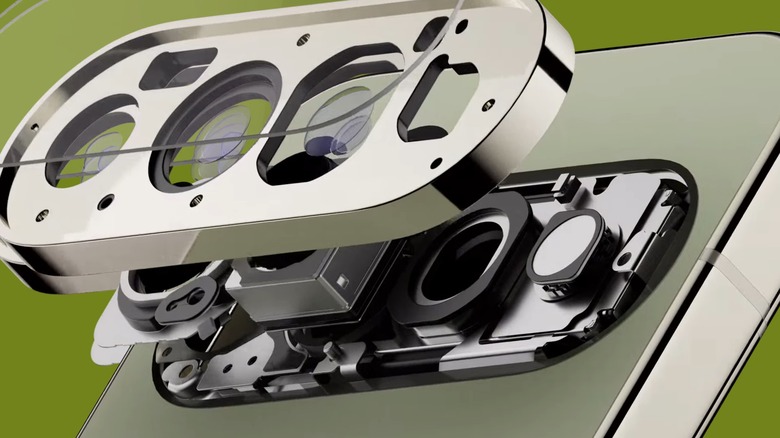
Pixels have been known for their quality photography for years, thanks to good sensors and plenty of software tricks. While the Pixel 11 certainly still takes great photos, so too does the Pixel 10. Since the only changes were to the sizes of the main sensor and the ultrawide, the Pixel 11 camera performs slightly better in low light. Both main sensors across the two models are still 48 MP, and the updated zoom from 100x to 120x is mostly a software trick that leans heavily on AI upscaling to begin with. It would also appear that the flash is dimmer this year, with the Pixel 10 offering brighter output. Things are similar on the video side as well, with the two generations outputting video that is barely distinguishable in difference, and that boils down to software that's available across Pixel models.
So rather than spending an extra $100 on a smartphone packing a camera that's only marginally better while offering a weaker flash, it makes more sense to save your money and pick up last year's model. You don't even have to look far to see this opinion on tech blogs like Android Authority; the slightly better cameras just aren't worth the added cost. And since much of the improved imagery is on the software side, it's expected that this software will make its way to the Pixel 10, which is only one year into its seven years of support.
Tensor G6 uses same 3nm node as G5
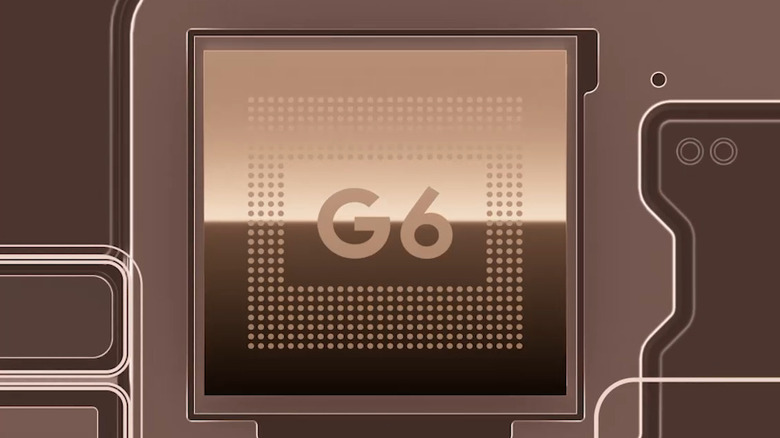
There were rumors that Google would move to a 2nm process for the Pixel 11's in-house Tensor chip, ideally adding 25%–30% in power savings, but this has proved to be false as Google has stuck with a 3nm node, similar to the Pixel 10. While fans were hoping for some big gains, the phone only received incremental improvements instead that barely justify the Pixel 11's higher price.
In the case of the latest Tensor G6 used in the Pixel 11, there is one less core within its chip, seven cores instead of the Pixel 10's eight. However, the Pixel 11 does uniquely use Arm's newer C1-series architecture, which helps to negate the loss of that core and actually speeds things up now that the main core speed has been bumped up to 4.11 GHz. So on paper there are some improvements, but in actuality Google's Tensor is well behind its competitors and still struggles with demanding games.
When the choice is between chips that both struggle when gaming (where one costs more with negligible real-world gains for things like browser speed and the other clocks in cheaper in a similar form factor), the choice seems pretty simple. Go with the Pixel 10 to save a few bucks while still netting yourself a phone with comparable performance, especially when you can snag a 10 Pro with 16 GB RAM instead of the 11 Pro's cutdown 12 GB to help smooth your multitasking.
Pro model offers less RAM at lowest tier
The Pixel 11 Pro tops out at 12 GB of RAM until you reach the Pro and XL models packing 512 GB storage that offers 16GB RAM, whereas the Pixel 10 offers 16 GB across all Pro and XL tiers. If you don't mind getting less storage, you can shave off $100 by snagging a 128 GB Pixel 10 Pro with 16 GB RAM for $1,000. Even if you choose the 256 GB Pixel 10 Pro at $1,100, it's the same price as the 256 GB Pixel 11 Pro that offers less RAM. The base Pixel 10 Pro is the much better deal since it packs more RAM, leaving you some extra headroom while multitasking.
As noted above, the differences in chipsets are minimal, which means specifications like RAM are that much more important. Sure, you can still get 16 GB RAM with a Pixel 11 Pro if you jump to the 512 GB storage model at $1,219, which is the same price as the Pixel 10 Pro sporting the same storage size, but if you are looking to save money rather than splash out, the Pixel 10 Pro at lesser storage is the most cost-conscious option. While it's understandable why Google used less RAM for the Pixel 11 Pro this year for its 256 GB model, seeing that RAM prices are skyrocketing, the choice to upgrade to a Pixel 10 rather than a Pixel 11 is an easy one.
Very similar look and build

The current design of the Pixel line is one that stands out, thanks to its iconic camera bar. The design didn't change much with the launch of the Pixel 11, but it did change just enough ensure Pixel 10 cases can't be used with the Pixel 11. Actually, if you choose a Pixel 10 in any shape or size, its cases are often discounted now that the Pixel 11 is on the market, so that helps to drive the price down even more.
So if you're looking to save beyond the cost of the Pixel 10, its accessories are seeing plenty of sales abound. After all, there are tons of useful accessories that work best with Google Pixel Phones. So not only do you retain the benefit of a very similar-looking phone, but many Pixel 10 accessories and cases are now last year's news, allowing consumers to clean up while also scoring themselves a highly performant device that compares quite well to its younger sibling. Simply put, the need to push users toward new accessories each year with ever-so-slight changes in hardware size and shape is to your benefit for once, so it's recommended to take advantage while you can by scooping up comparable older tech that lets you save.