

3 Myths About Fixing Cracked Phone Screens You Need To Stop Believing

So, you cracked your phone screen, and you're looking for a fix that will save you the most amount of money. If you go on Google to search for some DIY home fixes, you will get all manner of advice. Some of it might work. But for what doesn't work, it can ruin your phone's screen further and even affect other internal components, potentially bricking your phone. Suggestions people make include using lubricants, adhesives, and even some cleaning, beauty, and health products that you can easily find at home. However, some of these suggestions are based on easily debunked myths.
It's important to remember one thing when it comes to dealing with cracked screens: if you don't have the technical know-how and tools for the job, do not do it yourself. While there are some clever DIY solutions to a cracked phone screen, none of them offer a permanent fix. Ultimately, the true solution is a screen replacement, and that can be costly, with repairs ranging from $70 to $400 depending on the phone you have. But in your bid to save money on a screen replacement, you should avoid some of the DIY fixes that the internet might propose.
A cracked phone doesn't need to be fixed right away
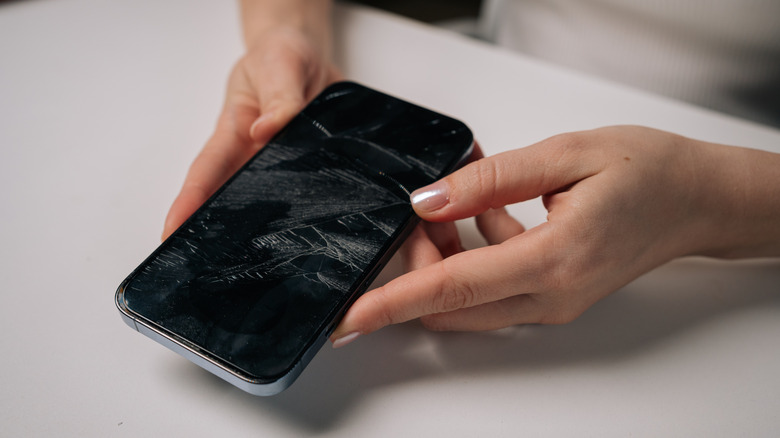
It's not uncommon to see someone using a phone with a screen full of cracks and chalking it up to being a cosmetic issue. After all, the phone still works, right? But have you ever considered that the crack started small, with something like a hairline fracture that spread? So, when you get a crack on your screen, you need to take action right away to stop the damage from spreading.
For small cracks, you can hold the glass together while you work out a permanent solution. For example, you can put a screen protector over the cracked screen or apply a small piece of clear tape to it to prevent the cracks from spreading. These two temporary solutions also protect your finger so you don't end up cutting yourself as you swipe on the cracked screen. Super glue is not recommended because if you apply too much, it can get inside the screen and cause touch issues. If it's your only option, apply a very small amount with a cotton swab for precision.
If the crack is severe, you need to replace the screen right away. If you're confident in your skills, you can purchase a replacement screen and phone repair kit on Amazon and replace it yourself. Be careful, and follow a step-by-step guide, because if done improperly, you can damage some of the phone's internal components. That's why it's best to use a professional repair service.
WD-40 will fill in the cracks
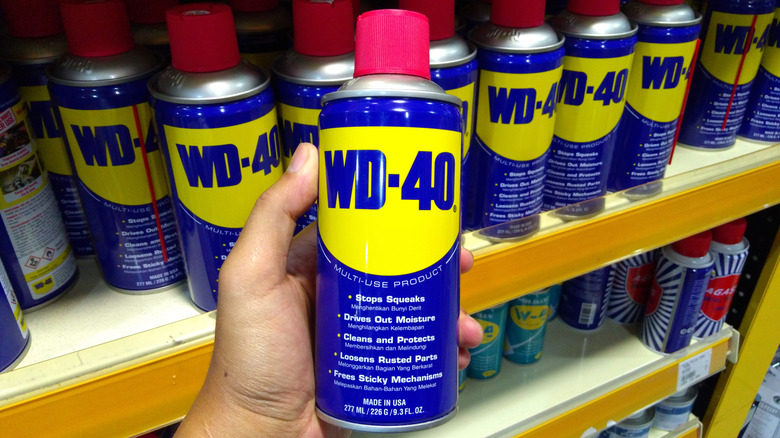
WD-40 is a popular multi-use product that lubricates, shines, and greases metal and prevents rust and corrosion. That's it — WD-40 wasn't meant to be used with electronics. It's a product that has been around since 1953, and people have found plenty of uses for it throughout the years, including removing crayons from walls, cleaning garden tools, loosening stuck zippers, and removing ink stains from fabrics. Nevertheless, some corners of the internet seem to think that WD-40 can magically heal a cracked screen. However, according to Snopes, that is nothing more than a myth perpetuated by YouTube videos, ads, and online forums. What actually happens when you put WD-40 on a cracked phone screen?
Well, WD-40 is a solvent. Your phone's glass screen most likely has an oleophobic coating on the surface, which prevents fingerprints and smudges from sticking to the screen's surface. This coating is easily destroyed by solvents, making it a bad idea to apply WD-40 to it. On top of making your phone look cloudy and trapping dirt and grime, once the WD-40 wears off and strips the coating, you may find that those fingerprints and smudges are a little harder to get off and that the phone's screen feels less smooth. Furthermore, with larger cracks, if the WD-40 gets inside the screen, it can ruin other components of the display.
You can fix the cracks with toothpaste or nail polish
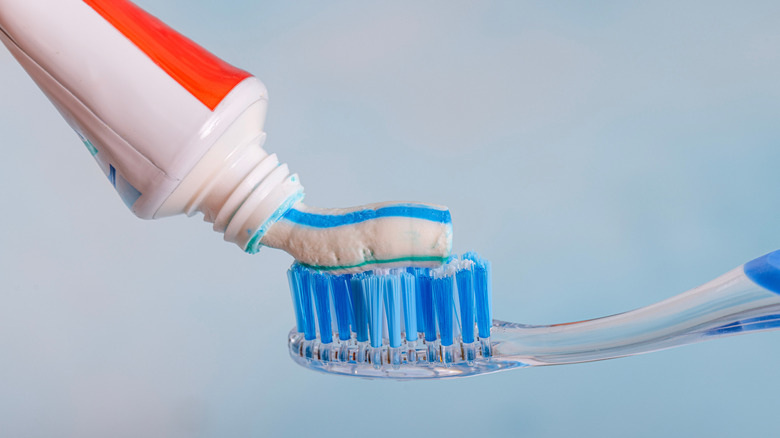
Another DIY tip that often pops up in internet searches for fixing a cracked phone screen is to apply toothpaste. It's hard to figure out the logic here since toothpaste is not an adhesive that will stick the cracks in your phone's screen. But still, many recommend it. In reality, toothpaste is abrasive, so not only will it fail to fix the cracks on the screen, but it may scratch that part of the screen you rub it on. If you leave the toothpaste there, it will also slowly eat away at the coating since it's an alkaline substance that can reduce the coating's acid resistance. For this reason, it's also not recommended for removing scratches on your phone, even though it's a well-known polishing agent.
Nail polish is another substance that is recommended for fixing a cracked phone screen as it can temporarily fix small cracks. However, the nail polish can seep through these cracks, bringing moisture onto the phone's delicate screen assembly. When moisture builds up inside the phone's display, you can experience a range of problems, from dark spots inside the screen to touchscreen issues.