

This UK Solar Farm Got Fast-Tracked - And Local Residents Aren't Happy
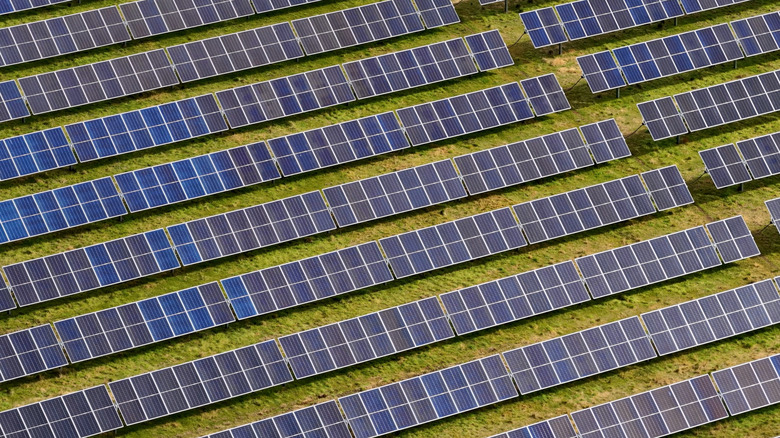
Solar farms are large areas of land with interconnected panels that harness the power of the sun and convert it into electricity. They're often used to provide power to businesses and homes, which can be more sustainable versus fossil fuels. However, they are not without controversy. That is the case with a solar farm in the U.K. that bypassed local councils and went straight to the federal government for approval. It is common for large projects such as buildings and housing developments to go through local councils in the U.K. before being built.
Yet the country's second-largest solar farm, being built in Lincolnshire, was fast-tracked by the government where it was approved, having bypassed the local council. Approval was granted due to the solar farm being classified as a Nationally Significant Infrastructure Project (NSIP). It will reportedly generate enough energy to power 130,000 homes. However, the residents of these homes are not thrilled about the project. It's the exact opposite of the unexpected effect Tibetan solar farms are having on local residents. Those who live near the U.K. solar farm have been actively campaigning against its construction.
Why residents aren't happy about this solar farm
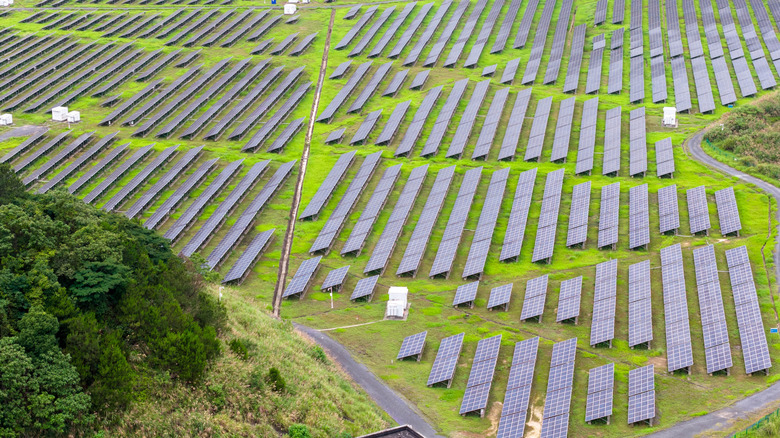
The Beacon Fen Energy Park solar farm being built in the U.K. has been approved despite concerns from residents. Those who live in the vicinity are upset at the prospect of being surrounded by giant solar panels instead of farmland. The farmer who owns the land leased it to the solar farm ahead of construction. The lack of a pretty view isn't the only negative thing residents are dealing with, however.
Like the unexpected effect AI data centers are having on campers, where camping capacity is reduced, residents living near this U.K. solar farm discussed the impact it would have on agriculture and the environment. Locals fear that solar farm production could take away access to land for food, as farmers use fields to grow crops and raise animals. A spokesperson for Low Carbon, the developer behind the solar farm, says that the land used for the Beacon Fen project has minimal impact on food production and resources, and that it is taking the local community's viewpoints into consideration.
This has happened before
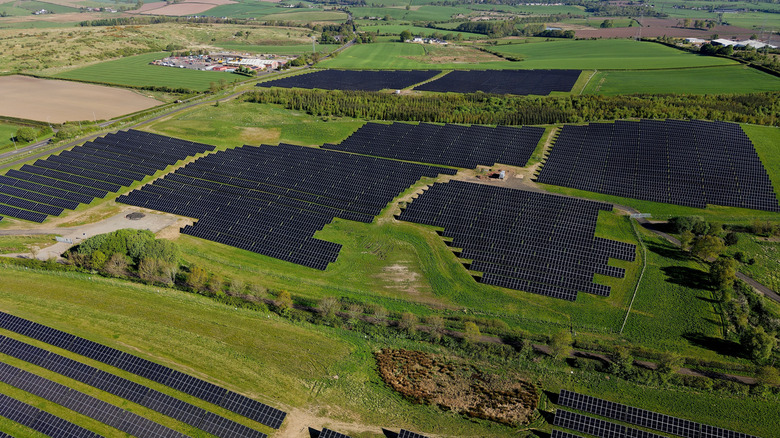
In July 2023, the Washford solar park was shut down by locals from the the Somerset Council in rural England. However, less than one year afterward, the inspector responsible for planning overruled this decision and allowed the solar farm to be built. This drew public outrage from residents and leaders of the area that includes a national park, as the project was approved for construction across more than 14 fields. It sits on land within the Exmoor National Park and the Quantock Hills National Landscape. There have also been surveys showing that the region is classified as Best and Most Versatile (BMV) land.
According to the government, large-scale non-agricultural development is prohibited on BMV land unless the Natural England agency is consulted beforehand. Though solar farms may not be well-liked by locals, they can provide energy sustainability, and there are agencies working to ensure the land can still be used for agricultural purposes, while avoiding interference with public recreation areas and farming needs. In the United States, solar farms are having an unexpected effect on the environment, in a positive way, as native plants and pollinators have been seen thriving.