

SpaceX Invests $100B To Turn Louisiana Marsh Into Its Own Kennedy Space Center
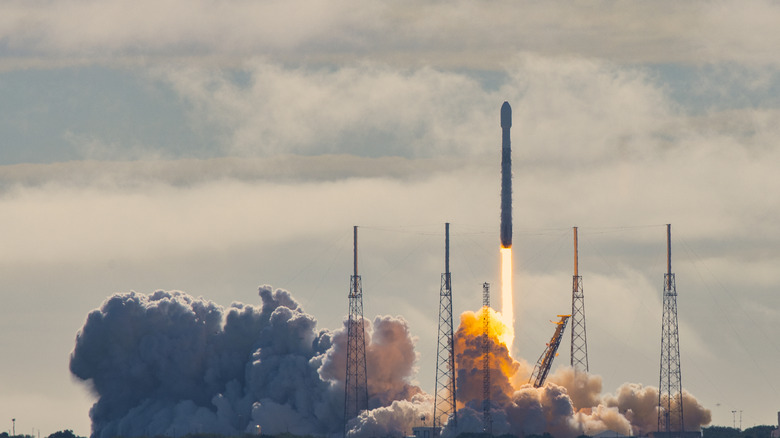
SpaceX is about to spend more than $100 billion to turn part of Louisiana Vermilion Parish into a new launch complex that could rival the iconic Kennedy Space Center. The company announced this week that its new facility will become its fourth and largest launch site, and Louisiana officials are already saying that the complex will be capable of supporting thousands of launches every year.
According to Louisiana Economic Development, the full campus will include five launch complexes with two pads each. The campus will also include propellant farms, a propellant production facility, power generation, vehicle processing, and housing for the SpaceX workers and their families. Considering SpaceX once hoped to house Starship at Kennedy Space Center, it kind of makes sense the company would shoot to build its own rival launch location. While construction isn't expected to start until 2027, SpaceX says it hopes to start launches as soon as 2029.
The project should hopefully create 3,000 direct jobs over the next ten years, as well as several thousand indirect jobs. SpaceX is also promising a launch rate that would dwarf what most spaceports handle today. If SpaceX can actually reach that scale, Louisiana would become one of the main pieces in the game of chess that is the company's next generation of spaceflight.
SpaceX needs a lot more room for Starship
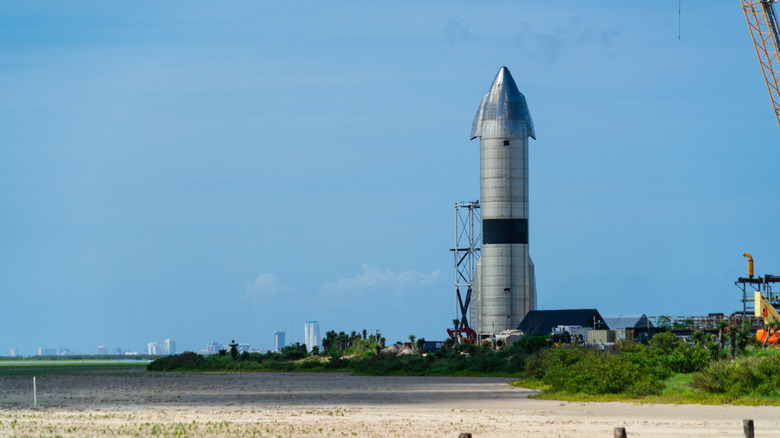
Considering the massive plans that SpaceX has for Starship, having a site as large as this new Louisiana site makes a lot of sense. Starship is designed to not only be reusable, but also to carry more than 100 metric tons of cargo to orbit. As such, SpaceX has plans to use it for a slew of different mission types — from smaller satellite deployments to longer range lunar landings. Starship is also the center-point of SpaceX's long-term goal to establish a permanent colony on Mars that can support at least 1 million people. CEO Elon Musk believes in this goal so much, he's even staked his 200 million share payday on it.
It doesn't matter how reusable a rocket is, though, if the launch site itself becomes a bottleneck. And we know that SpaceX wants Starship flying often enough that Louisiana officials are already talking about thousands of launches per year, which probably explains the decision to build 10 pads. It seems the idea is to make it as easy and fast as possible to turn SpaceX rockets around and send them back up after completing a mission.
There's also plenty of demand for SpaceX launches without even talking about Mars. The company has continued to pick up major U.S. government contracts, including a $714 million Pentagon award that covers five military space missions. While SpaceX technically relies on its Falcon rockets for these contracts, it seems likely the company is preparing to move more and more to relying on Starship instead.
Building in the marsh comes with its own problems
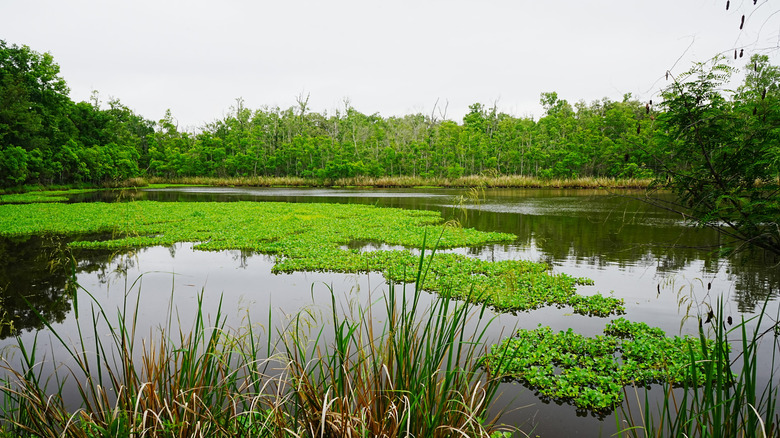
Before SpaceX can launch thousands of Starships from Louisiana, it needs to turn a vulnerable stretch of coastal land into something capable of supporting them. This means restoring some of the wetlands and shoreline so that heavy equipment and launch infrastructure can safely be moved in. Considering Vermilion Parish could potentially lose another 186 square miles of land over the next five decades, this step of the process is extremely important to avoid future land losses.
The company also can't simply start pouring concrete wherever it wants. On top of the shoreline stabilization, SpaceX also needs to find ways to reduce the impacts that such a facility will have on wildlife and fisheries in the area. Additionally, any potentially unavoidable issues will need to be mitigated in some way. Considering how well Starship's launches have gone in the past, this is extremely important to avoid potential damage to such vital natural areas.
The surrounding infrastructure needs work as well. The reports suggest that state officials are already looking at nearby roads and bridges, and new plans for power generation and transmission will need to be built to power the new campus. SpaceX will need to cover the cost of these new structures as well as any utility upgrades. The company has also made a local tax agreement that will see the company pay at least $25 million annually for 25 years, with an upfront cost of $20 million before construction begins.