

What Are 'Zombie' Accounts? Why Your Old Logins Are No Longer Safe
There are so many social media platforms available that you more than likely have a few old ones you no longer use. Old social media accounts you don't log into anymore can be accessed by scammers and may even be controlled by them. These accounts are referred to as 'zombies,' as they were once used by someone, but are now left forgotten. Essentially, a scammer can find a way to get into your old profile and use it to find information about you or pose as you.
Apps and services that were popular years ago but have been abandoned by many users today are all easy targets for hackers. Research done by Secure Data Recovery shows that around 94% of respondents said they had one or more dead profiles they have not used in the last year, and Pandora is the number one listed zombie account. The list also includes Dropbox, Duolingo, and Vimeo. If you had any of those accounts, it may be time to delete your account or, at the minimum, update the password, but there are a few password habits you should avoid.
The dangers of your zombie accounts
If you believe you have an old account that you have not used in more than a year, it's recommended to find it, make a new password, or simply get rid of it. Otherwise, those zombie accounts are just sitting there waiting to be hacked. A study from Security.org asked account holders if they've had a social media profile taken over by a hacker, and nearly 30% of respondents said they have. Social media accounts were among the most hacked sites, at around 53% of them being taken over by a scammer.
Once hackers have taken over an account, they are able to steal your money or your identify. Monetarily, the report found that the average account owner lost around $180, but, even worse, it showed that 40% of those hacked had their identity stolen by a hacker. Digital fraud is on the rise as research has also shown that zombie accounts have led to criminals gaining access to employee documents and records by discovering passwords and phishing attempts.
How to protect your accounts from becoming zombies
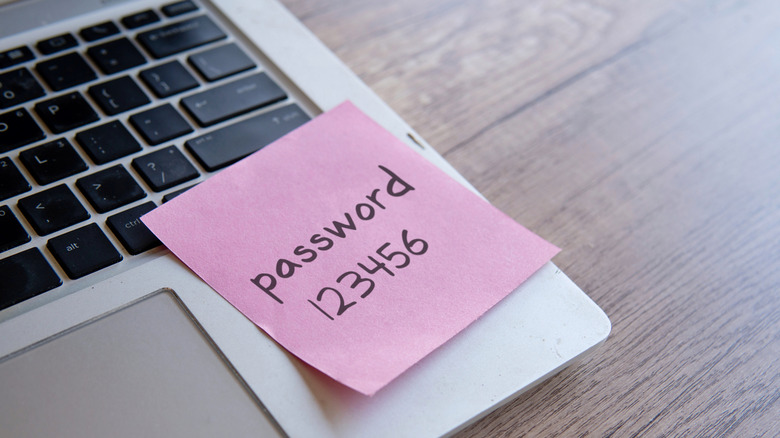
There are a few things you can do to better protect you and your old social sites and app data from being hacked. It's suggested to delete any accounts you're not using. If you do sign up for any app that uses your email and password, make sure it's one you will use for a while. If you only intend on using an account for a trial period or until you no longer need it, make a note to remind you to cancel or delete the service.
It's also recommended to not use the same password. Reusing passwords can only make it easier for scammers to get into your accounts. Instead, it's suggested to have unique passwords and to use a password management system to track them. Having two-factor authentication and an antivirus tool can help you out, as well. You can also adjust privacy settings on accounts to see what data is being shared.
There are a few password managers Consumer Reports recommends if you're looking to better monitor your accounts and passwords. It would seem that most everything digital these days requires a username and password. So, by putting these ideas into practice, you can better safeguard your information and prevent future zombie accounts from being left behind.