

Wired Vs. Wireless Video Doorbells: Pros, Cons, And Differences Explained
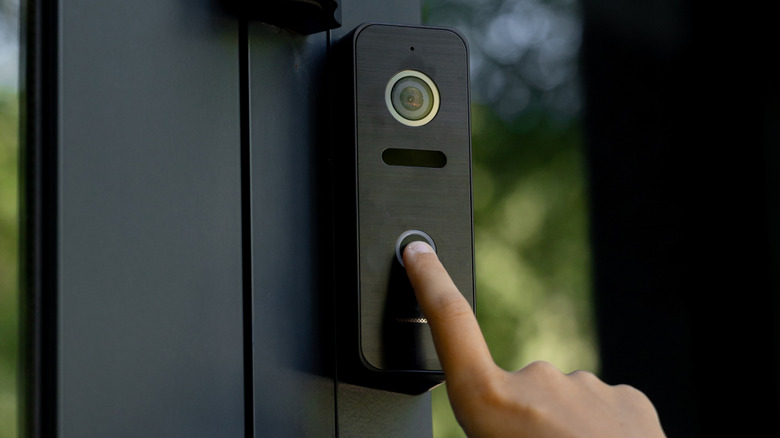
So, you're in the market for a video doorbell — one of the essential smart home gadgets to install — and have to decide whether to get a wired or wireless video doorbell. From the outside, they generally look the same. They usually come in a rectangular or oval form factor, with the camera at the top and the doorbell at the bottom. They even have the same features. Both include high-resolution cameras that deliver clear and crisp recordings. They also send motion-detection notifications, provide night vision, and let you access the live feed remotely from a companion app.
But while wired and wireless video doorbells function almost exactly the same way, they have a lot of differences, and each one brings its own set of pros and cons to the table. In general, though, if your home already has a doorbell system, the wired model is often the better choice. If you want a flexible installation, the wireless model is a good fit. To help you decide which best-selling video doorbell to install in your home, we'll dive deeper into what sets the wired and wireless video doorbells apart and what each of their pros and cons are.
Differences between wired and wireless video doorbell
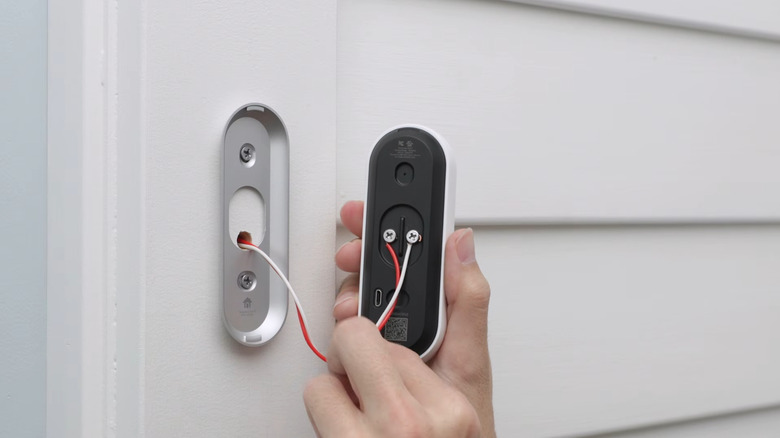
The major differences between wired and wireless video doorbells are how they're powered and installed. Wired video doorbells, as the name suggests, require cables. They connect to an existing doorbell installation (which, in turn, links to your home's main electrical system) or plug into a router or Power over Ethernet (PoE) switch via a LAN cable. Either way, the installation can get pretty technical as you'll be dealing with wiring. If you're not confident installing it yourself, you'll need to rely on a professional.
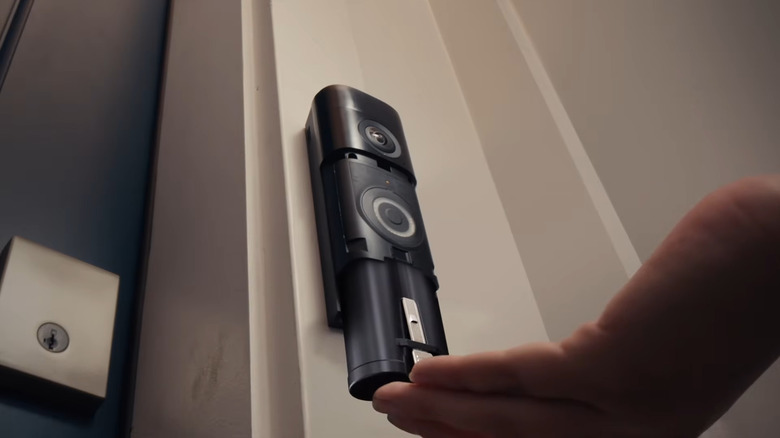
Meanwhile, a wireless video doorbell runs on batteries built into the device. You won't see any cables coming out of the doorbell unless you connect it to a power bank or solar panel to top up the rechargeable batteries. Since they don't have to be hardwired, wireless video doorbells don't require professional help. Depending on your wall material, you'll need some tools like a drill and screwdriver to mount the doorbell, but it's generally a DIY project.
Another difference between wired and wireless video doorbells is their internet connectivity. Wireless video doorbells simply connect to your home Wi-Fi. Wired video doorbells, on the other hand, use two different connection methods, depending on the type. If the model links to your existing doorbell system, then it also connects to your home network via Wi-Fi. But if it's the PoE type, it accesses the internet directly from the Ethernet cable plugged into it.
How the video doorbells record is also a key difference. Wired models support continuous 24/7 recording, while wireless models record only when events like motion detection and doorbell presses happen. Some wireless video doorbells can record 24/7, but those are the models with hardwired capability.
Pros and cons of wired vs. wireless video doorbell
Wired and wireless video doorbells each have their place. If you're planning to go with a wired model, one of the biggest homeowner-approved perks of video doorbells is their reliability. Its 24/7 monitoring option and continuous power provide virtually no downtime. Wired video doorbells are also a set-it-and-forget-it device, requiring little to no maintenance after installation.
The drawbacks of wired video doorbells, though, are their reliance on an existing doorbell system. If your home doesn't come with compatible wiring and your doorbell doesn't support a plug-in power adapter, you'll need to hire a local electrician to install a doorbell system. That adds to the total cost on top of the doorbell itself. Wired video doorbells aren't very flexible either. You can only install them right where the wiring is.
If these disadvantages concern you, wireless video doorbells are the way to go. They're perfect for homes without a compatible doorbell system and are much quicker to install and remove. Because they aren't tied down by cables, you can even mount them anywhere you need — maybe in the garage, gate, or another entry point.
Unfortunately, wireless video doorbells have their fair share of trade-offs too. For one, they're prone to long downtimes. This happens every few months when you need to recharge the battery and during extreme temperatures when the battery becomes finicky. Since the battery can only tolerate a certain temperature range, they will either stop working or stop charging outside that range. The battery also means wireless video doorbells need more maintenance than their wired counterparts. You'd have to check it regularly to see whether it needs charging or replacement, even when the manufacturer says the batteries can last three to six months.